Campaign Donations for the Midterms: More Money, Less Transparency?
Never before has so much money flowed into a U.S. congressional midterm election campaign. Among the biggest donors are individual billionaires. Add to that "dark money" — donations that cannot be traced to anyone.
There is much to suggest that this will be the most expensive campaign ever ahead of U.S. congressional midterm elections. The final tally has yet to be determined — voting doesn't take place until November 3 — and especially in the final stretch, countless millions more will be "pumped into" the race for all seats in the House of Representatives and a third of Senate seats. But even the primaries, the preliminary elections in which candidates are selected within parties, were "the most expensive we've ever seen," says Brendan Glavin.
Glavin is research director at Open Secrets, arguably the most important nonpartisan U.S. research organization on the subject of money flows in politics. The last midterm elections four years ago cost around ten billion U.S. dollars, or roughly 8.7 billion euros. This time, it could be even more.
Billionaire Influence Growing
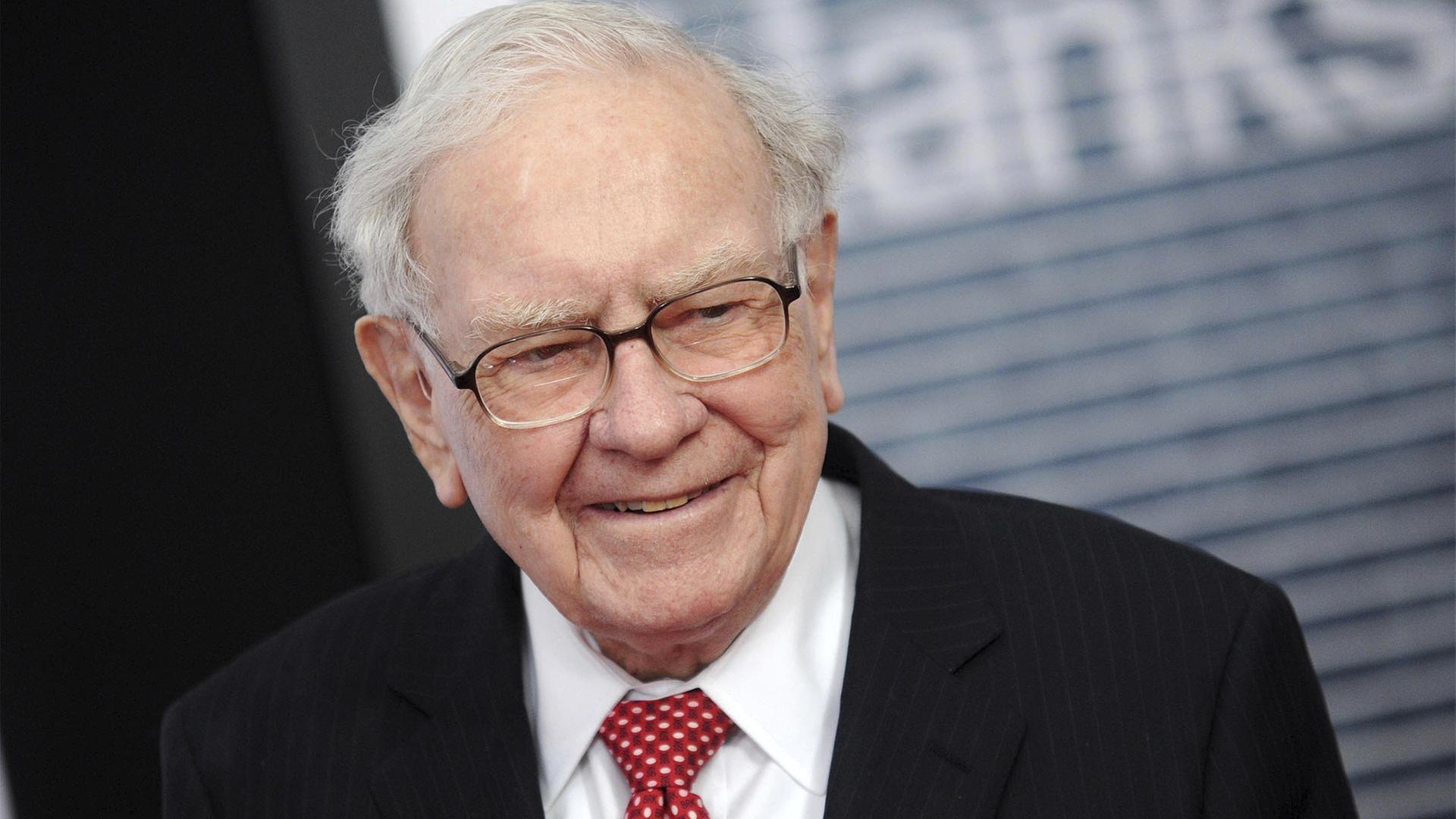
The campaign finance expert considers two trends particularly alarming. First: the influence of a small number of exceptionally wealthy donors is growing. "This group of billionaire political donors is dominating the electoral landscape more than ever," says Glavin. Number one is Elon Musk. He was already the most important major donor before the 2024 presidential election, and this time he has already put 100 million U.S. dollars into the Republican campaign. On the Democratic side, George Soros is contributing similarly large sums to campaign coffers.
Particularly notable are the industries from which most major donors come: artificial intelligence and cryptocurrency industry interests dominate, with especially large amounts of money this time also coming from the online gambling sector.
Many Anonymous Donations — "Dark Money"
The second trend worrying Glavin: more and more money cannot be traced at all. He refers to it as "dark money" — campaign donations that remain permanently anonymous.
"Dark money is a huge issue," the expert emphasizes. "The crux of the matter is that Super PACs — political action committees that raise most of the money for the parties — are also allowed to accept money from groups and organizations whose individual donors do not have to be named, who remain in the shadows." Voters therefore do not know where this money comes from, "what interests are being represented, what favors might be expected in return." This is a "real transparency problem."
There is little hope that the corresponding legal loopholes will be closed anytime soon. The Trump administration has significantly weakened the responsible oversight authority, the FEC — the Federal Election Commission — and reduced its staff.
Republicans Have Twice as Much Campaign Money as Democrats
What do the parties ultimately spend all this campaign money on? Television advertisements still top the list. Alongside that, door-to-door canvassing and public events are major expenditure items — as is raising the next round of campaign donations, for example through telephone or email campaigns.
And which party is leading in terms of money in this campaign? Glavin's assessment is unequivocal: "The Republicans are significantly more successful at raising money than the Democrats," he says.
According to an analysis by the Washington Post, which examined the 50 largest individual donations at the end of August, Republicans have more than twice as much money available as Democrats.
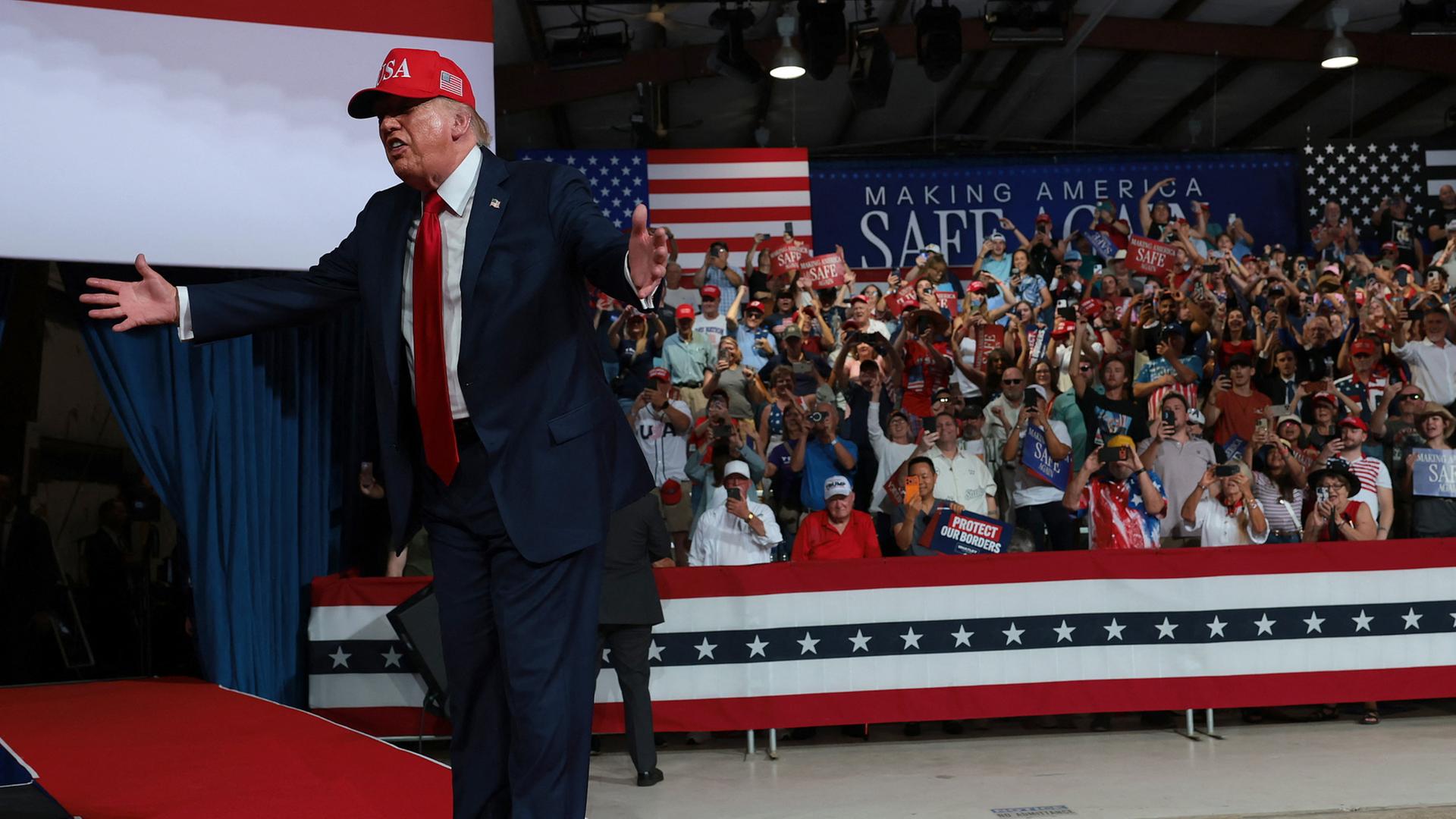
Donald Trump personally also plays a role in this, Glavin emphasizes: "There is a political action committee associated with the president that, according to the latest reports, has more than 400 million US dollars in its account alone. The Democrats have no counterweight to that."
Money alone does not decide
But, according to Brendan Glavin's conclusion, "having more money does not automatically mean winning these elections."
Trump himself provided the best examples. In the 2016 presidential election he had less money available than Hillary Clinton, and in 2024 less than Kamala Harris — yet Trump won. Experience from campaigns for House and Senate seats is similar: while the candidate with the larger campaign fund usually wins — it is not always the case.