Advertisement
Hongkongers need more than 4 walls and a roof to make a home
When people stop worrying about stability and feel they belong, they go beyond being recipients of services to become part of the community
3-MIN READ3-MIN
Paul Yip is the founding director of the Centre for Suicide Research and Prevention at the University of Hong Kong, and a professor at the university's Department of Social Work and Social Administration.
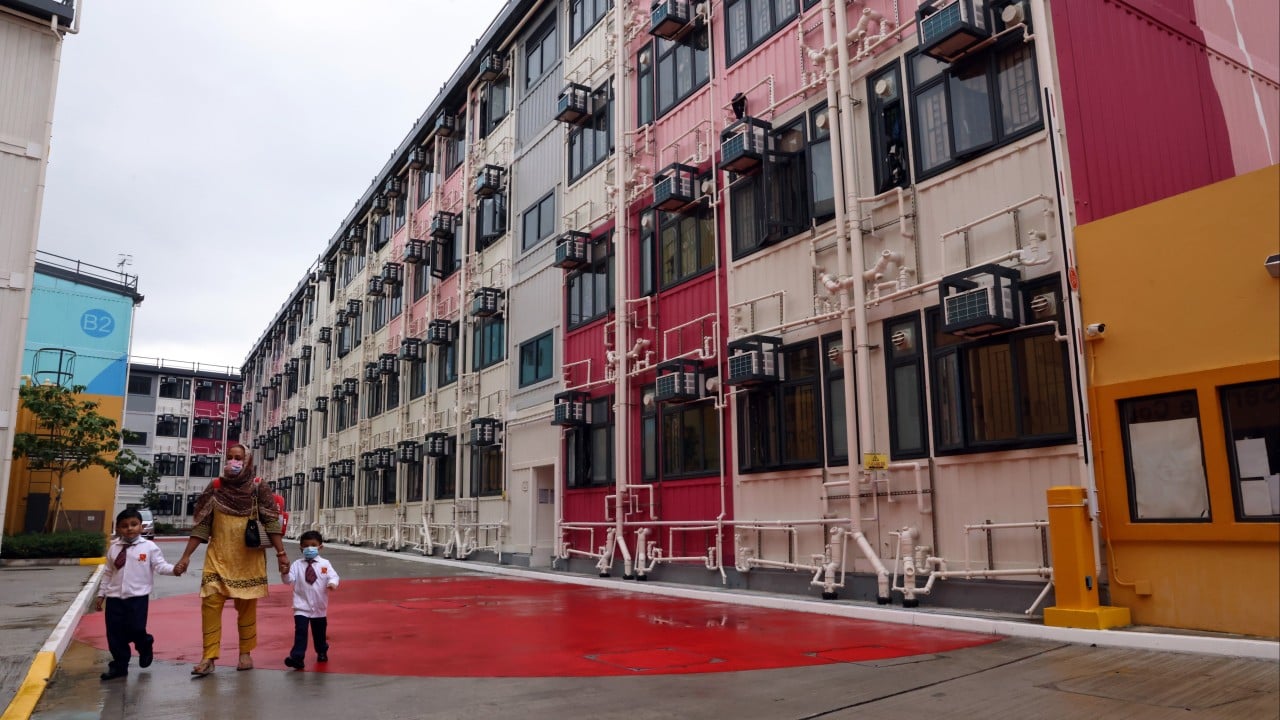
What kind of living space can truly be called a “home”? That was the question on my mind when I visited United Court, a transitional housing estate in Tung Tau, Yuen Long, run by the Hong Kong Sheng Kung Hui Welfare Council. While there, I shared my thoughts on building a mental health-friendly community.
Nine years ago, I took part in a community-based poverty study and interviewed residents in inadequate housing. I still remember families describing their living space as little more than a bed. Some people shared kitchens and toilets; interiors were dim and cramped.
When life is compressed into limited space over the long term, what suffers is rest, study, family time and the mental health we so often overlook. The mental health problems of many residents, especially young children, are closely tied to poor living environments.
Select Voice
Select Speed
1x
AI-generated voice