Price Slump in Precious Metal — Is Gold No Longer a Safe Haven?
Gold has fallen in price by 30 percent within just a few months. The sharp fluctuations in the precious metal are unsettling investors and central banks. What are the prospects going forward?
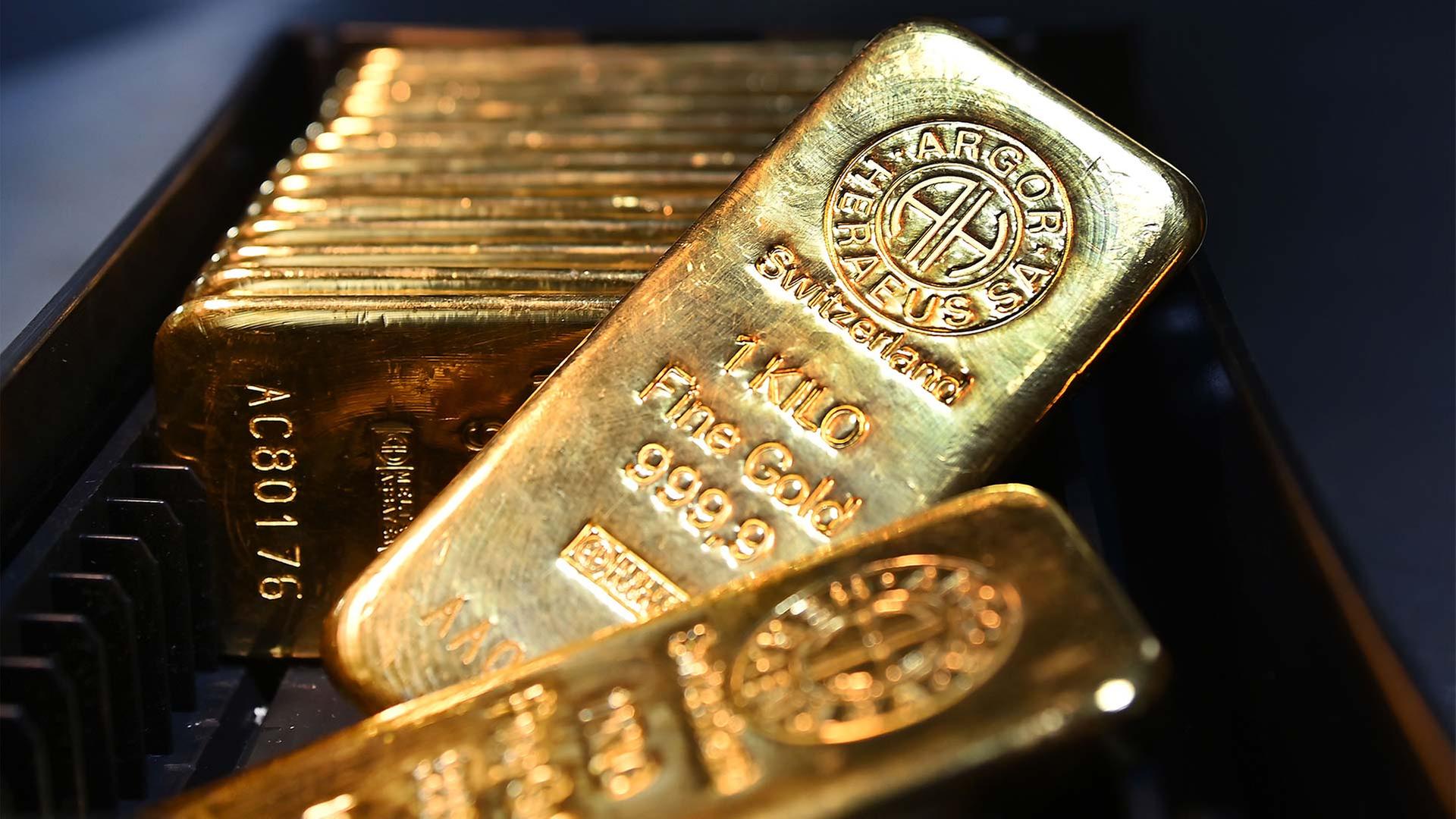
When war breaks out and stock markets are volatile, investors normally seek shelter in gold as a safe haven. But recently, this old rule has barely held. Since the record high of just under $5,600 at the end of January, the price has at times fallen by almost 30 percent.
Gold Price: Record Rally First, Then Price Slump
One reason for the plunge: the rally had simply run too far beforehand. "It was just too much in too short a time — there was too much speculation involved," Michael Blumenroth, commodities expert at Deutsche Bank Research, told ARD's finance editorial team.
The great rush into gold began as early as 2024, with the price rising by around a quarter. In 2025, the rally then accelerated dramatically: the gold price climbed 67 percent and reached 53 new all-time highs over the course of the year.
Gold Was More Volatile Than Bitcoin
The setback is therefore also a correction of the previous excess — especially since gold had been more expensive at the start of the year than ever before, even in inflation-adjusted terms, as commodities expert Thomas Benedix of Union Investment stressed in a conversation with ARD's finance editorial team. In that respect, the recent price decline was "quite healthy."
However, the decline alone is not even the biggest problem. More concerning is how unsettled the market has become of late — as reflected in sharply increased volatility. "Gold was at times even more prone to swings than Bitcoin," said Benedix. This had also deterred many central banks, which subsequently slowed their gold purchases.
Some Central Banks Want to Increase Gold Reserves
A turning point may now have been reached, however. According to a current survey by the World Gold Council, the representative body of the international gold mining industry, 89 percent of the central banks surveyed expect global gold reserves to rise over the next twelve months. 45 percent also intend to increase their own holdings — a record figure.
Why Rising Interest Rates Weigh on the Gold Price
Arguments against further price increases include interest rate expectations, which have recently risen — primarily due to higher oil prices and the associated inflation risks stemming from the Iran war. Futures traders currently expect the first US Federal Reserve interest rate hike in September, with a further increase in April 2027. By comparison, at the start of the year financial markets had still anticipated two interest rate cuts by the US Federal Reserve in 2026.
Rising interest rates weigh on the gold price, as the precious metal yields neither interest nor dividends. "And if other assets considered safe — such as German or American government bonds — are now offering higher interest rates, or if higher rates are in prospect, then gold becomes less attractive in relative terms," commodities expert Benedix stressed.
Will the $4,000 Level Hold?
But what happens next? The $4,000 mark is regarded above all as a psychologically important support level. Most recently, the gold price had recovered somewhat and was trading above it again.
"I cannot rule out that we will see another setback that takes us below $4,000 per ounce," says Deutsche Bank expert Blumenroth. "However, it does currently look as though markets are watching to see whether a floor is forming."
Gold continues in downward trend
The World Gold Council expects more of a sideways movement in the second half of the year; however, fresh economic concerns or further geopolitical escalation could drive the gold price up again.
Commodities expert Benedix from Union Investment is skeptical: gold remains in a downward trend and is still expensive — even by fundamental criteria such as mining production costs. "Our price target for gold at the end of 2026 is therefore $3,900 per ounce, which is somewhat lower than the current level."
Safe haven image tarnished
The further development of the Iran war remains decisive for the outlook in the gold market, as it is central to the oil price and thus to inflation risks and the future path of interest rates. A sustained easing could therefore drive not only equities but also the gold price higher.
However, those who hold gold primarily as a hedge against turbulence in equity markets must also reckon with considerable fluctuations in the precious metal. The past months have demonstrated this vividly. The supposed safe haven has become significantly more volatile.