Possible Agreement with the USA: Saudi Arabia's Pursuit of Nuclear Power
With the signing of a nuclear agreement with the USA, Saudi Arabia has achieved a long-sought goal. Nuclear power is part of a larger plan that also includes strategic considerations.
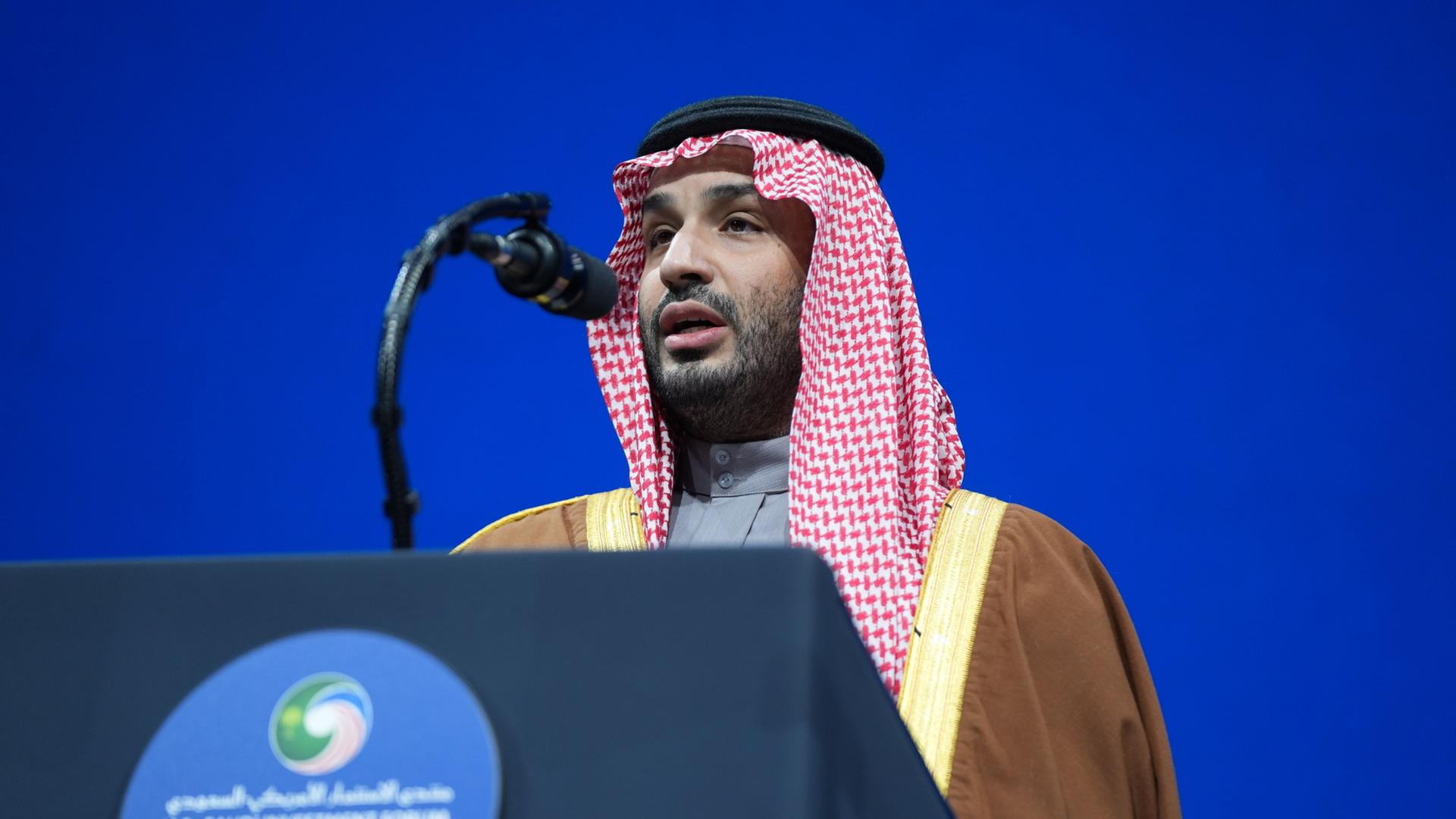
When US President Donald Trump traveled to the Saudi capital Riyadh last year, he was received with great pomp. The Saudis promised billion-dollar investments — Crown Prince Mohammed bin Salman and Trump outdid each other with flattering words. Trump enthused about the special partnership between the two countries and about the pleasure of seeing the Crown Prince time and again.
The visit was celebrated in the media as a great success. What went somewhat unnoticed at the time, however, was that two of Saudi Arabia's most important wishes remained unfulfilled: the desire for a robust security guarantee from the USA, and the desire for support in building a nuclear program.
This is strategically particularly important for Saudi Arabia, said Saudi political scientist Aziz al-Ghashian at the time: "Should progress be made here, it would give the Saudi industry a decisive boost — exactly the boost it needs to achieve the goals set for 2030."
Saudis Unwilling to Forgo Uranium Enrichment
"Vision 2030" is the name of the reform program with which de facto ruler bin Salman is reshaping the Saudi economy. In doing so, he is increasingly focusing on energy-intensive industries. Vast data centers for artificial intelligence are to be built — nuclear power plants could produce the electricity needed for this.
Saudi Arabia's pursuit of nuclear energy is not new and also has political dimensions. It is not least a matter of prestige, says nuclear expert Nour Eid from the think tank "Energy for Growth."
The neighboring United Arab Emirates prided themselves on being the first Arab country in the region to have nuclear reactors. The Barakah power plant was commissioned six years ago and even adorns an Emirati banknote. A nuclear power plant is also under construction in Egypt — with Russian support.
Both the Emirates and Egypt, however, refrain from enriching uranium themselves. The Saudis are different in this regard, says Nour Eid: "Since uranium enrichment is a right enshrined in the Nuclear Non-Proliferation Treaty, they were unwilling to give it up. The fact that they have apparently now pushed this through in negotiations with the USA is a source of pride for the Saudis."
Concern Over an Iranian Nuclear Weapon
Even more prominent is the Saudi rivalry with two other regional powers — Israel and Iran. Israel uses nuclear energy for research and possesses nuclear weapons, even though the country has never officially acknowledged this. Iran, meanwhile, has been pursuing a nuclear program since the Shah era — initially supported by Western states such as the USA, France, and West Germany.
After the Islamic Revolution in 1979, Iran then built uranium enrichment facilities. The regime in Tehran has repeatedly emphasized ever since that these serve exclusively civilian purposes. Israel and Western states, however, accuse Iran of striving to develop nuclear bombs. Preventing this is one of the goals in the current war.
Atomic bombs in Iran are a concern that apparently has also been taken seriously in Saudi Arabia. Crown Prince bin Salman said eight years ago: "What if Iran is only days away from building an atomic bomb in a few years? Tehran will not abide by treaties, but will build the bomb. That will then force us to counter Iran with nuclear means."
Cooperation despite differences
The risk of a nuclear arms race taking place in the Middle East was one reason for the United States' reluctance to support Riyadh. Another was that Trump also left Saudi Arabia last year with an unfulfilled wish — namely, that Saudi Arabia would establish relations with Israel under the so-called Abraham Accords. The Saudi government has most recently rejected this vehemently. It accuses Israel of committing genocide against the Palestinians in the Gaza Strip.
While the differences remain, they now appear to no longer stand in the way of nuclear cooperation.