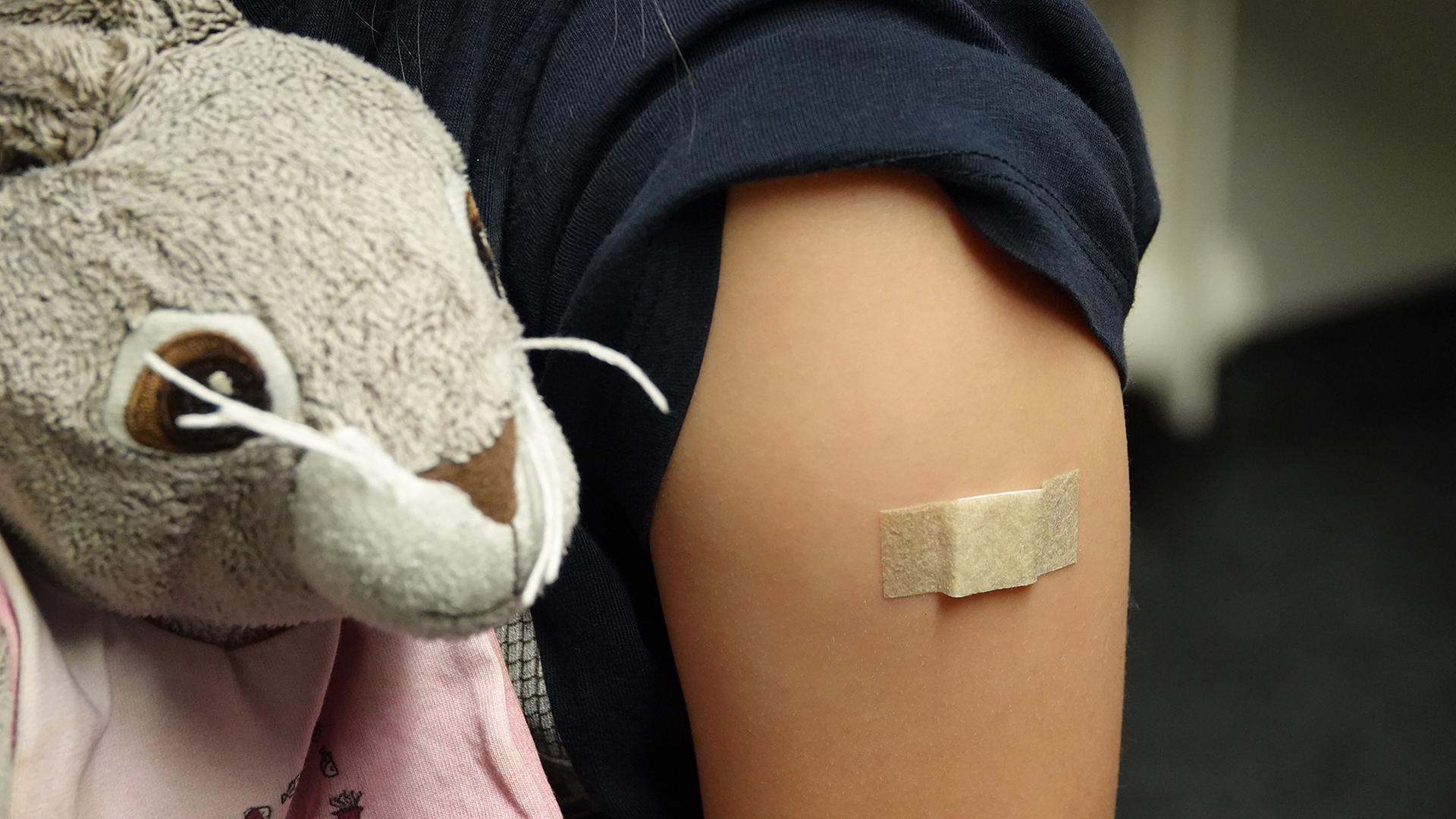
Study on EU Countries: Vaccination Rates Among Children Declining
In many EU countries, childhood vaccination rates are falling. Germany is also affected, according to a study. The primary trigger, it says, was the COVID-19 pandemic.
For decades, childhood vaccination rates in EU member states rose steadily. According to a study, this has recently changed: vaccination numbers have stagnated or even declined in many EU countries. Germany is among the countries affected by this trend, reports an expert team in the specialist journal "The Lancet Regional Health – Europe."
The study was not designed to identify the causes. In many cases, the decline began between 2019 and 2022, during the COVID-19 pandemic and in the period that followed. Misinformation and shifts in public trust in vaccines are cited among the possible contributing factors.
Return of Preventable Diseases
Vaccinations are among the most effective public health measures, the study states. Declining vaccination rates pose a serious threat to public health. Growing vaccine skepticism has already led to the reemergence of preventable diseases within the EU.
For the study, figures for seven childhood vaccinations across the 27 EU member states were analyzed over a period of more than 40 years – from 1980 to 2024. The vaccines examined included the combination vaccine against diphtheria, tetanus and whooping cough, as well as vaccines against hepatitis B, meningitis B, poliomyelitis, pneumococcal disease, measles and rubella.
In Germany – as in Spain – rates for five of the seven vaccinations were affected. Only hepatitis B and the first dose of a measles vaccine still showed slightly rising trends.