In short:
The ACT is the most expensive capital city in the country for motorists to fill up their tanks.
ACT Chief Minister Andrew Barr says anger over the costs should be directed at the US president, but the ACT opposition says there are problems closer to home.
What's next:
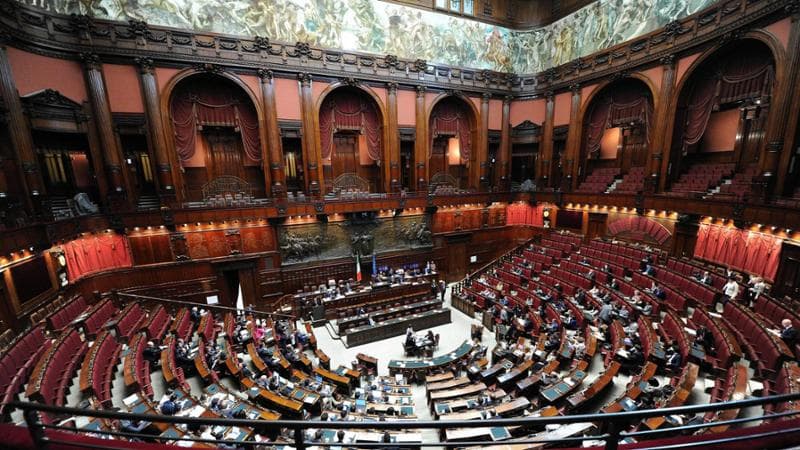
The ACT Legislative Assembly supports holding an inquiry into the capital's high fuel prices.
The ACT's chief minister says Canberrans should be "rightly angry" about high fuel prices in the territory but says that anger should first be aimed at United States President Donald Trump.
Canberra is currently the most expensive capital city in the country for both petrol and diesel.
The ACT Legislative Assembly has now supported a move to hold an inquiry into the capital's high fuel prices, with a particular focus on examining why ACT motorists pay more for fuel than people just over the border in New South Wales.
Chief Minister Andrew Barr said there were several factors that resulted in the ACT's high fuel prices, including transport costs to get fuel from Sydney, a lack of retail competition and less fuel being sold due to a rise in hybrid and electric vehicles.
"Cars and trucks are more fuel efficient now than they were 25 years ago," Mr Barr said.
"All of the fixed infrastructure costs associated with a petrol and diesel distribution network are now being spread across fewer litres of sale."
However, Mr Barr said "international factors" were clearly to blame for the current cost increases for fuel.
"People would rightly be angry, and they should be angry firstly with Donald Trump and what appears to be a pointless and unwinnable war that he has started,"he said.
'Canberra tax' is culprit: opposition
Opposition leader Mark Parton, who initiated the call for the fuel price inquiry, said Mr Barr was "deflecting" by talking about the US President.
"It doesn't explain the price differential between here and 10 kilometres that way,"the Canberra Liberals leader said.
"Donald Trump has got nothing to do with that; he hasn't given some blessing [to] Queanbeyan, Jerrabomberra, Goulburn and Braidwood."
Mr Parton said he also "didn't buy" the argument around less fuel being sold in the ACT leading to high prices, instead blaming the "high cost of doing business" in the territory.
"This is the most expensive place in Australia to sell anything,"he said.
"It's not fair for regular people in Canberra that they have to pay this 'Canberra tax' whenever they go to the petrol bowser."
Calls for portable rental-bond scheme
Cost-of-living relief dominated debate in the Legislative Assembly on Wednesday, with the ACT Greens moving a motion to call on the ACT government to set up a portable rental-bond scheme.
ACT Greens housing spokesperson Rebecca Vassarotti said the scheme would mean Canberra renters moving house would no longer have to find thousands of dollars while waiting for a previous bond to be returned.
"We are in a cost-of-living crisis, we are in a housing crisis and we know renters are really at the front-end,"she said.
"What we are really focused on is providing a mechanism to take a little bit of pressure off renters and ensuring that they are not having to front up extra thousands of dollars if they don't need to."
ACT Attorney-General Tara Cheyne said the government has had conversations with New South Wales and Victoria, which both established similar schemes.
"All the schemes have had significant start-up fixed costs as well as significant ongoing costs," she told the Legislative Assembly.
"We all agree with the objective of portable rental-bond schemes, but it is not as simple as the government holding on to a bond and moving it into the next residential tenancy agreement."
Meanwhile, the government is hoping to pass the budget this week, spruiking its housing crisis support fund.
"Building more homes is critical, but we also know that many low-income Canberrans need financial support right now," Housing Minister Suzanne Orr said.
"The Housing Crisis Support Fund will help renters who are experiencing financial hardship, providing them with support to remain in their homes," she said.