Theft in Care: "Everything Was Gone All at Once"
People in need of care and assistance can easily become victims of theft. Crime statistics show that valuables are being stolen from them with increasing frequency. Here is what police advise.
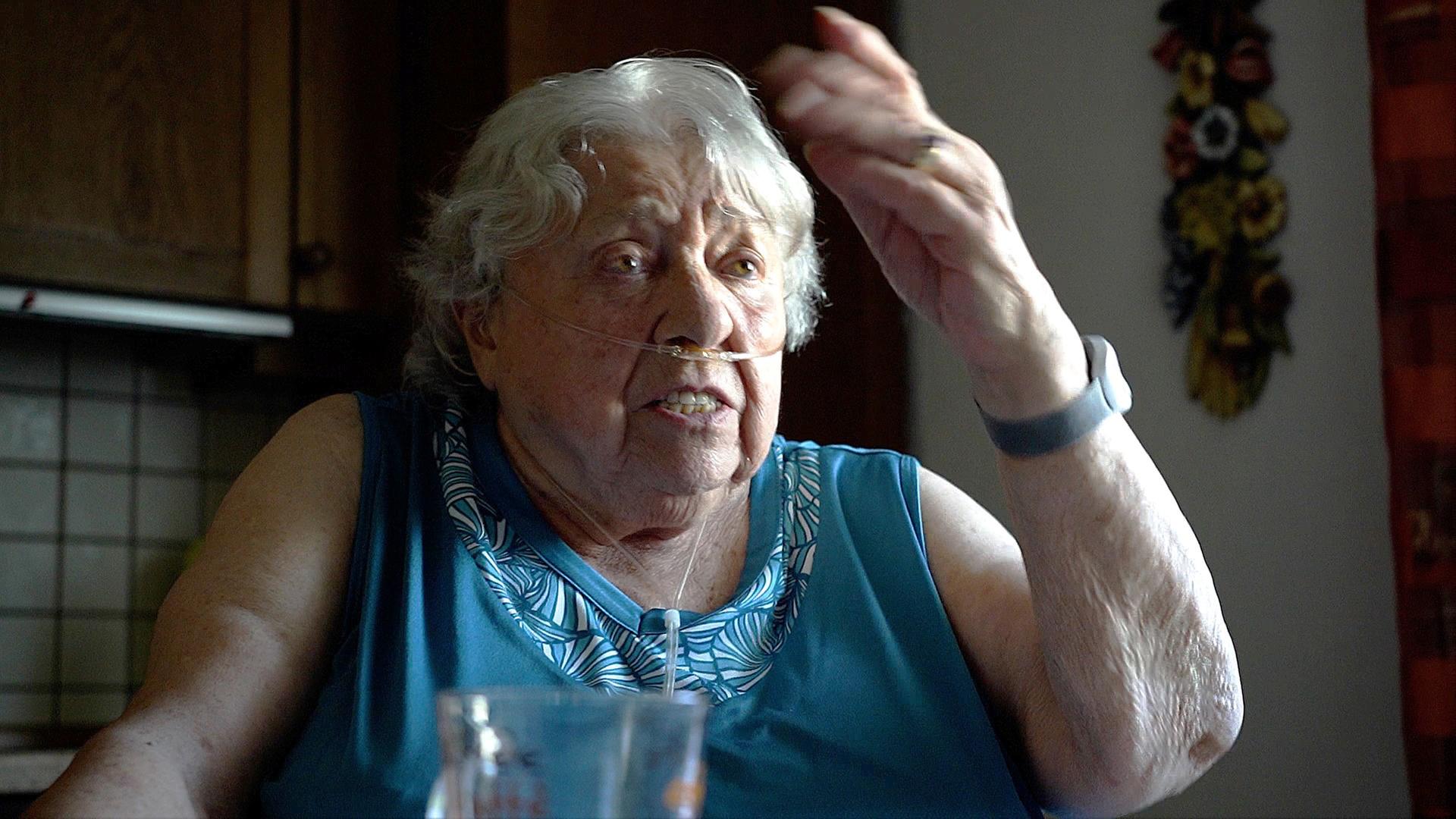
"My wedding ring, the beautiful necklace — everything was suddenly gone," says Gisela Urban. The 86-year-old remembers clearly the moment when, two years ago, she looked at an almost empty jewelry box in her bedroom. The loss amounted to 4,000 euros, as money was missing too.
Suspicion fell on the caregiver who supported her at home. As later emerged, relatives of other care recipients also reported missing valuables. The same caregiver had always been present beforehand. Yet ultimately, those affected could prove nothing.
Thefts in Care Homes on the Rise
This is a problem that exists not only in outpatient care, as a look at crime statistics reveals. While nursing and care homes recorded 834 thefts five years ago, that figure climbed to 1,254 in Bavaria last year — an increase of roughly fifty percent. The perpetrators are not only caregivers, but also other residents or visitors to the home, according to the State Criminal Investigation Office.
Nationwide figures are also rising, from around 8,900 cases in 2024 to 9,400 the previous year. The Federal Criminal Investigation Office has only been breaking down statistics by "crime location" for two years.
It is difficult for a care facility to keep track of everything — the demands are great. Residents frequently leave their rooms, for example when medical examinations are scheduled.
"I Hadn't Dared to Report It"
Gisela Urban's home saw a similar situation, as she describes it. The caregiver was supposed to tend to her sore legs using dressing materials from an adjacent room. But according to the elderly woman, she did not return for quite some time. Urban got up and found the caregiver in another room, rummaging through her belongings. "I hadn't dared to report it to the care service or the police, because I thought perhaps no one would come anymore to dress my wounds," says Urban.
Nurse Cordula Metzger, who visits the 86-year-old occasionally, criticizes the fact that older people are often less readily believed. "Some people think the grandmother is already showing signs of dementia or has simply misplaced things. I think there is a relatively high number of unreported cases," says Metzger.
Volunteers as a Point of Contact for Problems?
Helga Buysan sees it similarly. She runs an outpatient care service and also employed a member of staff who, by all appearances, had been stealing. She had dismissed her, but the caregiver found a new position. "As an employer, we cannot be more specific in a reference letter about incidents that have not been proven beyond doubt. Add to that the fact that care staff are scarce and almost anyone gets hired," says Buysan.
The reputation of her care service had suffered as a result of the incident. She would like to see advocates established in outpatient care — as already exist in hospitals and residential homes — that is, neutral volunteers available at all times for people to turn to with problems, so that such acts come to light more quickly.
Help from Relatives, a Safe, an Inventory List
The police advise against leaving valuables lying around in the open. They should be kept with trusted relatives or locked in a safe, so as not to create an opportunity for theft in the first place.
"Larger amounts of cash should only be counted in the company of family members," says Alexander Heubuch of the Police Headquarters Swabia South/West. He also generally recommends drawing up an inventory list and documenting all valuables. This helps the police with their search after a theft and makes it easier to process claims with the insurance company.
"Don't tar everyone with the same brush"
Gisela Urban also wants to photograph her remaining valuables with the support of Cordula Metzger. The loss of the jewellery still pains her, as it was associated with many personal memories.
One must not tar all care workers with the same brush, as it is a minority, Metzger emphasises. "But I want people in need of help to no longer be exploited and to be able to report grievances without fear."