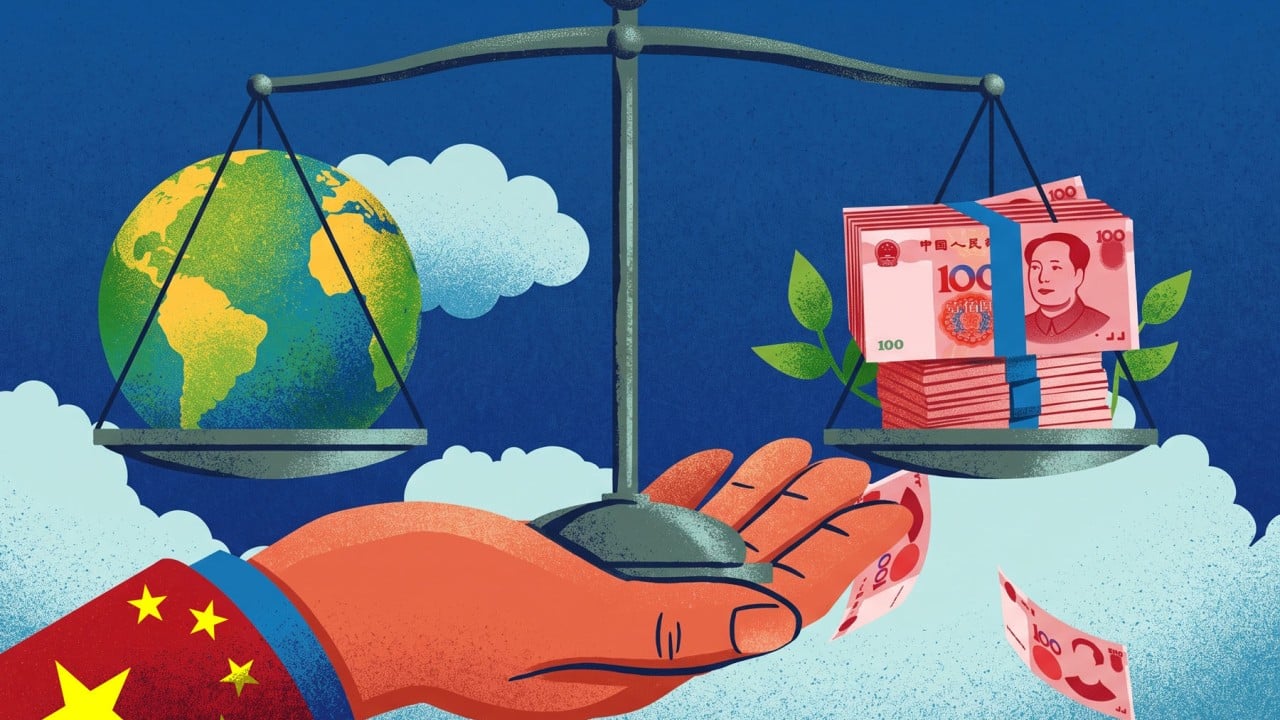
How China made climate resilience part of its economic growth strategy
What matters is whether climate goals, industrial policy and financial incentives support the same investments, and if responsibility for implementation is clear
The war in the Middle East has disrupted oil and gas supplies, leaving governments to confront energy pressures as they prepare for next month’s Cop31 UN climate conference in Antalya, Turkey.
The crisis raises an enduring question: how can climate action strengthen the resilience of an economy?
China has increasingly brought climate objectives into industrial policy and development planning. That gives the transition a purpose beyond compliance with international agreements: to protect people’s living environment, modernise production and create sources of growth.