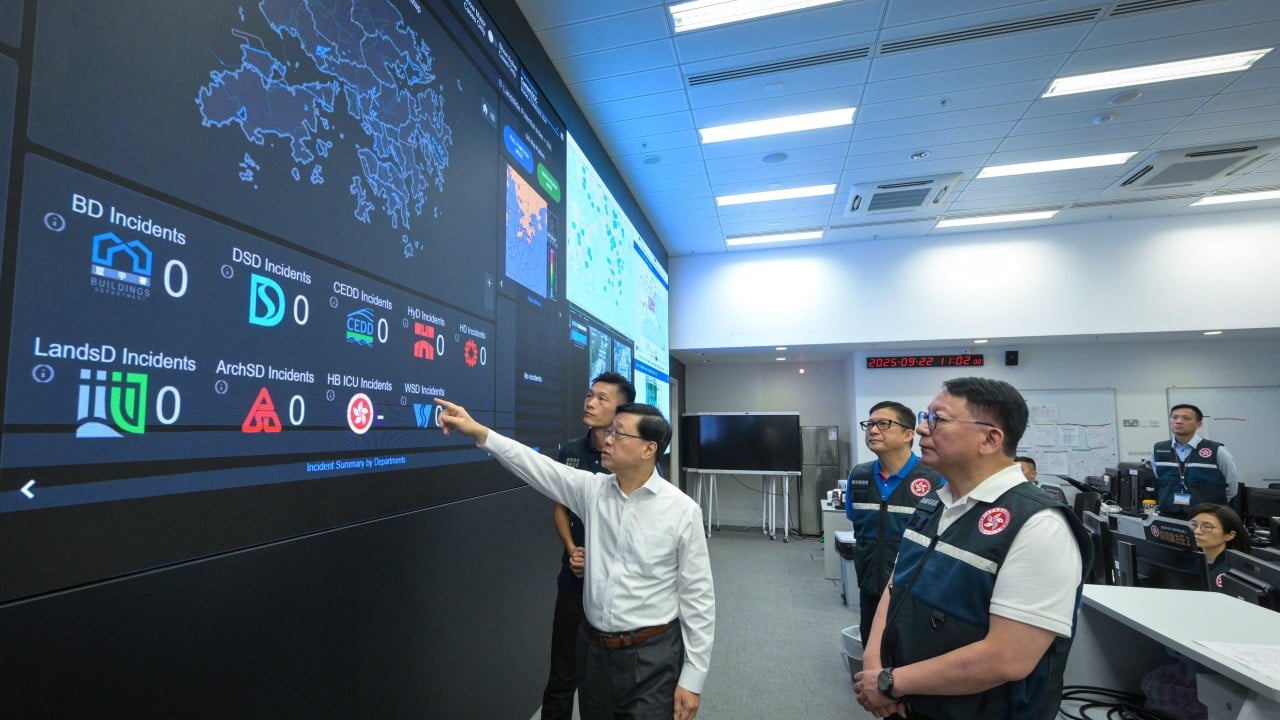
Chief Executive John Lee Ka-chiu’s vision of an “
AI city brain” is bold and timely. An integrated system linking data across transport, public works, environmental monitoring and emergency response could help Hong Kong manage risks more proactively and coordinate services more effectively.
The initiative is highly commendable. It also raises a critical question: can a city brain truly understand a city if it does not understand how its people communicate?
The truth is that communication
is rarely monolingual in Hong Kong. People like myself move between Cantonese, Mandarin, English and other linguistic resources every day, often within a single conversation. This is not a problem to be solved. On the contrary, it is one of Hong Kong’s greatest strengths. The city’s advantage lies in its biliterate and trilingual population.


