Christopher Street Day in Berlin: Queer Spaces Under Pressure
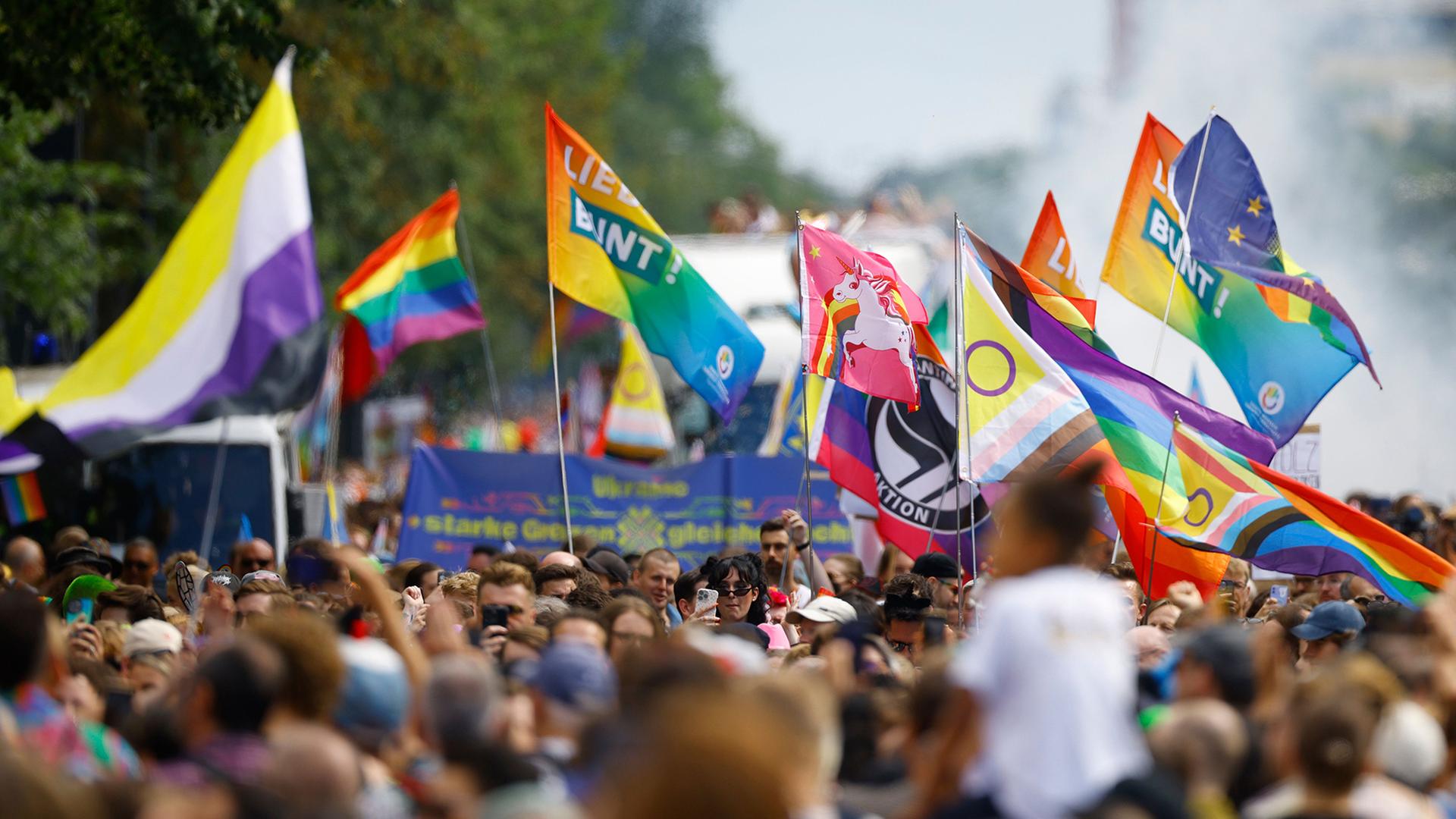
While hundreds of thousands celebrate vibrant life in the capital over Pride weekend, initiatives that carry out queer cultural and community work throughout the year are fighting for survival.
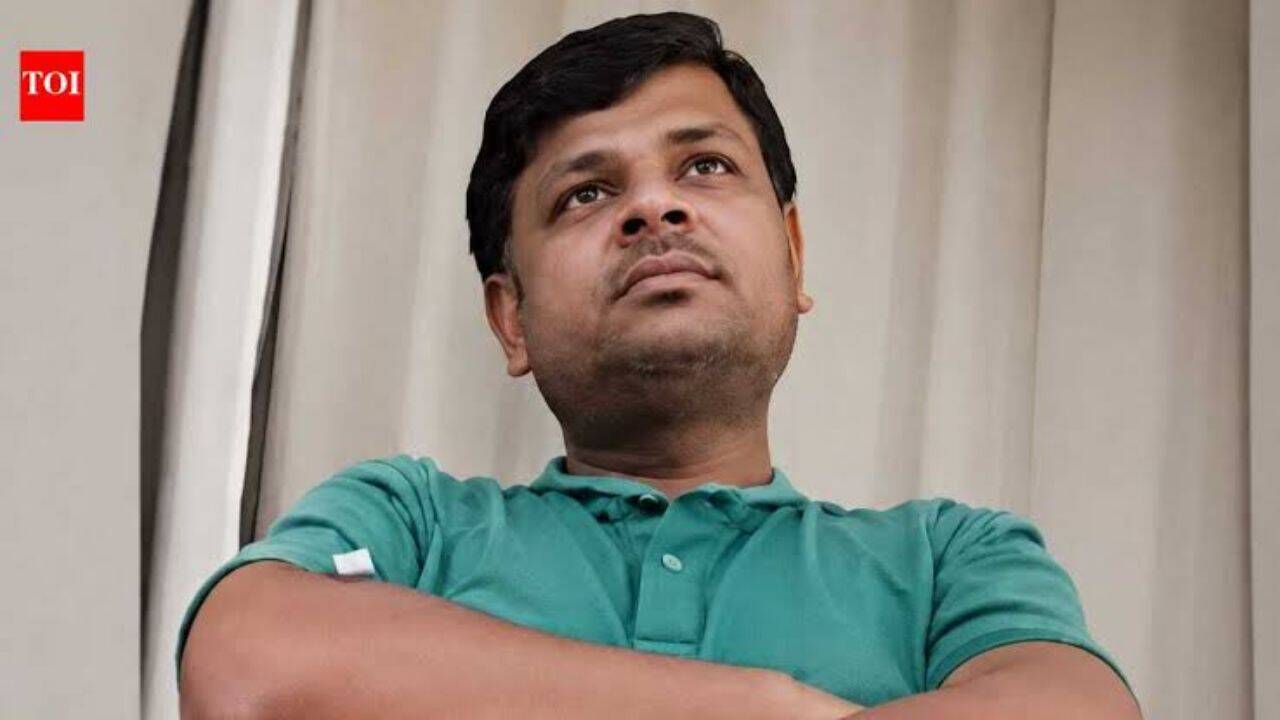
"I temporarily pay for security, more staff so that no one is alone – and those are simply costs that a heterosexual business doesn't really have to deal with." That is what Danjel Zarte, owner of the queer restaurant Hoven in Berlin-Neukölln, has to say. Since opening three years ago, he says he has had to file 85 criminal complaints – for assault, smearing with faeces, and criminal damage. The situation has improved in the meantime, he says, but loss of revenue and additional costs remain.
Hostility towards queer people is increasing
While queer venues struggle with the same problems as other cultural spaces – rising prices, rent increases, minimum wage hikes – they face an additional, existentially threatening factor: anti-queer hostility.
The queer meeting place in Neukölln, the restaurant Hoven, has experienced a loss of revenue since opening three years ago. Owner Danjel Zarte has had to file 85 criminal complaints during that time: for assault, smearing with faeces, and criminal damage.
Berlin police have recorded a continuous rise in anti-queer cases over the past ten years. In 2025, there were 587 – more than three times as many as ten years ago. Anti-queer hate crime has also risen significantly across Germany as a whole in recent times.
This year, the Berlin Senate became the first federal state to respond by adopting a state strategy for queer safety and against anti-queer hostility. Christian Haid describes this as an important signal. The urban sociologist researches Queer Urbanism at TU Berlin.
However, he sees a shortcoming: "The state strategy focuses primarily on violence prevention, support for those affected, protection concepts, and various forms of cooperation." What it does not include, he says, is "protecting queer spaces from displacement."
Searching for space amid resentment
One such space is the AHA in Schöneberg – short for Allgemeine Homosexuelle Arbeitsgemeinschaft, or General Homosexual Working Group. The association has existed since 1974. It organises readings, games evenings, queer karaoke nights, and much more. Following a significant rent increase, AHA is now searching for new premises.
The search is proving difficult, says board member Volker Göbeler: "We once had an offer in Neukölln. The association, or rather the general meeting, decided against it. There were concerns about not being particularly welcome there as a queer project." Another potential landlord pulled out at the last minute – because of an erotic party that AHA organises.
Calls for a security fund
In December of last year, the Left party parliamentary group in the Berlin House of Representatives, led by its queer politics spokesperson Klaus Lederer, submitted a motion to the Senate aimed at protecting queer spaces.
One of the demands: a security fund for emergency situations. Queer venues such as Hoven, which repeatedly faces vandalism, could use it to receive quick and straightforward financial assistance.
The club SchwuZ was one of Germany's oldest queer clubs with a disco operation. It was forced to close last year and has since been searching for new premises in Berlin.
Such a fund could also be used to support new queer spaces in their early stages, says Lederer, responding to a demand from the SchwuZ association.
The SchwuZ was Germany's oldest queer club. It was forced to close last year, and since then the association has been searching for new premises. "We need start-up funding," says board member Marcel Rohrlack. "The hurdle for most new spaces is that they don't come around the corner with a lot of money in their pockets." The goal is not to fall into permanent operating cost subsidies. "There are a great many viable concepts for queer spaces."
Motion rejected by the coalition
The motion put forward by the Left faction was recently rejected by the coalition. In a press enquiry by rbb, the response stated: "In recent decades, the Berlin Senate has specifically created, promoted and strengthened queer infrastructure and spaces."
A new lesbian-queer housing project on Berolinastraße is cited as an example. For restaurant owner Danjel Zarte, it is clear that something needs to happen. He also organises queer cultural events at the Hoven, such as children's drag readings. How much longer he can afford to do so, he does not know.