New Push at EU Level: Klingbeil Calls for Windfall Tax on Oil Companies
While fuel prices have risen sharply in the wake of the Iran war, oil companies are posting higher profits. Finance Minister Klingbeil therefore wants to make them pay and is calling for — together with other EU member states — a windfall tax.
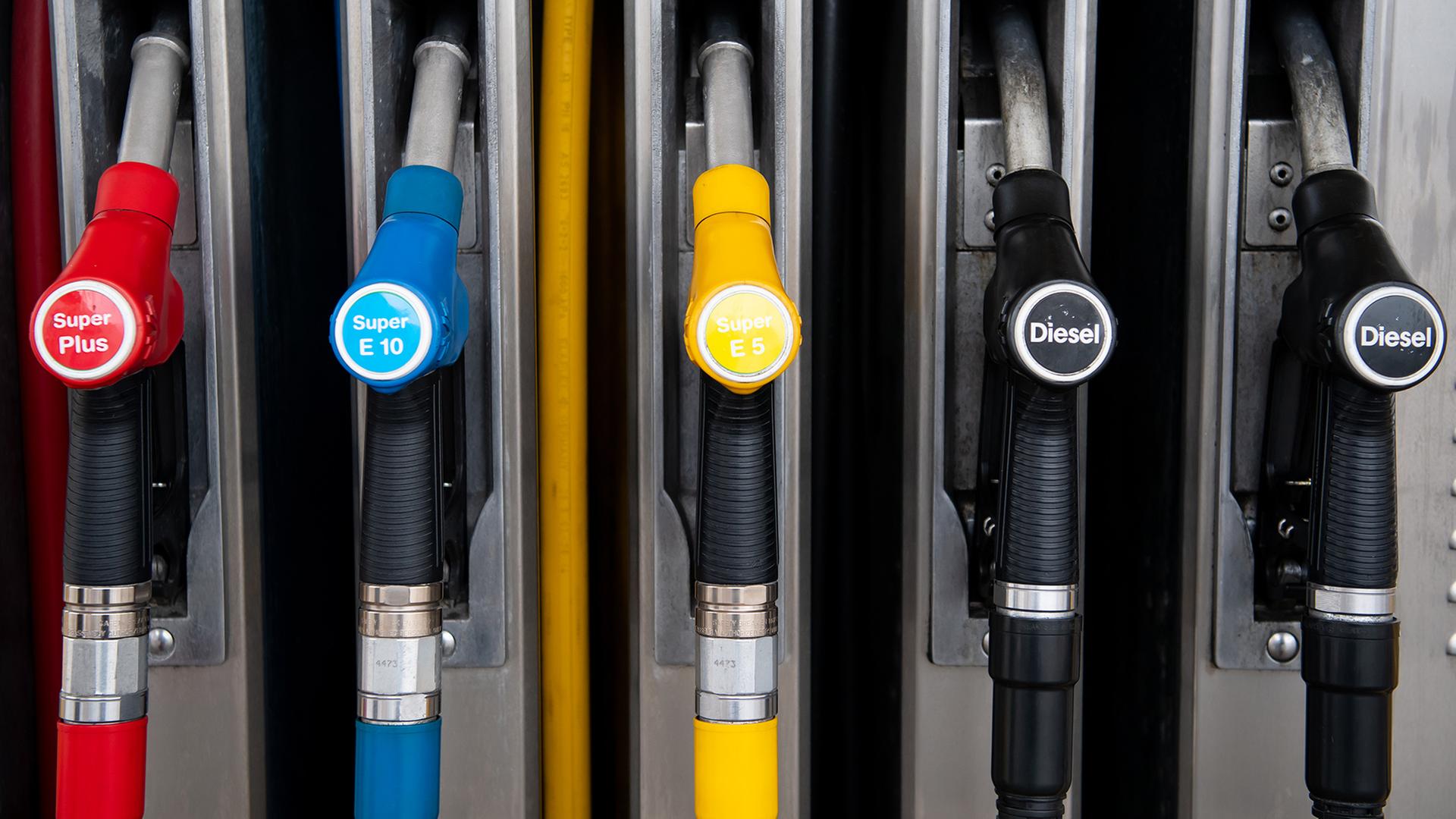
In light of persistently high fuel prices at petrol stations, Federal Finance Minister Lars Klingbeil is pushing for a windfall tax on oil companies.
"We need to address the problem of high energy prices by discussing an EU-wide framework for taxing windfall profits," Klingbeil and five European counterparts demand in a joint letter.
Joint Action Called For
"We are experiencing one of the biggest supply shocks in decades, and discontent over rising living costs is growing around the world," states the letter, which is addressed to Ireland's finance minister. Ireland currently holds the EU Council Presidency.
Measures taken by governments so far have not been sufficient to permanently reduce or stabilise prices for businesses and citizens, write the EU ministers from Portugal, Spain, Austria, Italy, Poland and Germany. "That is why we need a coordinated approach that ensures those who are profiting from the crisis contribute their share to reducing the burden on the broader population."
Debate Over State Intervention
"Furthermore, it is essential that the results of the European investigation into refinery margins be made available to us as soon as possible, to ensure that refineries are not exploiting the current energy situation." According to Der Spiegel, the letter came about at Klingbeil's initiative. The windfall tax issue, so the demand goes, should be placed on the agenda of a meeting of EU economics and finance ministers in Dublin in mid-September.
Several major oil companies published their quarterly results in July. According to the aid organisation Oxfam, the six largest fossil energy companies — BP, Chevron, Eni, ExxonMobil, Shell and TotalEnergies — are expected to nearly double their net profit in the second quarter compared to the first quarter of 2026: from 23 billion US dollars to 45 billion US dollars.
Fuel Prices Rise After End of Fuel Discount
With high fuel prices driven by the Iran war, calls for new state intervention have grown louder. The federal government had initially agreed in spring on tougher oversight of mineral oil companies by the Federal Cartel Office.
This was followed by the 12 o'clock rule, under which petrol stations are only permitted to raise prices once a day at noon, and then by a fuel discount. This temporary tax reduction on fuel expired at the end of June. Since then, prices at the pumps have risen again, fuelling the debate over state intervention.
SPD in Favour of Windfall Tax — Reiche Against
Portugal put forward a draft law for a windfall tax at the end of July. According to the government, the revenues are to be "used to support the families and economic sectors most severely affected by fuel price increases."
The federal government is divided on the question of a windfall tax. The SPD has long been calling for such a levy on the extra profits of mineral oil companies. Economics Minister Katherina Reiche (CDU), however, rejects it.
A windfall tax had already been temporarily introduced in 2022 as an emergency response to high energy prices following the Ukraine war; energy companies had to pay it on extraordinary profits.