Europe: Climate Change Turns Dryness Into Drought
The current drought is visible not only across large parts of Germany, but throughout Europe. Current research shows: this is climate change at work. A lack of rainfall plays a rather secondary role.
By the second of the recent heat waves at the latest, municipal utilities in many places were on hand with exactly the message everyone wanted to hear: the water supply is secure, but conserving water is still worthwhile to prevent shortages during peak periods. With the next heat wave due right on cue for the dog days of summer, it should come as some reassurance that Germany is blessed with sufficient drinking water even during prolonged temperatures of 30 to 40 degrees Celsius.
At such temperatures, however, it is not only humans who are thirsty: "Climate change has apparently also shifted the thresholds for droughts, as the atmosphere is now 'thirstier.'" So says Mariam Zachariah, climate researcher at Imperial College London and member of the World Weather Attribution (WWA) initiative, a consortium of climate researchers dedicated to examining how much of any given extreme weather event can be attributed to climate change. For example, the drought currently affecting many regions of Europe.
Lack of Precipitation Is Not Automatically Due to Climate Change
The researchers examined very similar weather patterns from the past and compared their effects with those of today. One central finding may come as an initial surprise: the absence of precipitation in the western part of Europe is not necessarily attributable to climate change. Zachariah explains that it is not the missing rainfall that makes the drought so extreme, but rather the persistently high temperatures: "The same precipitation deficit that might not have triggered a drought in the past now leads to one today." Simply because of increased evaporation — in other words, because the atmosphere has grown thirstier.
The full picture also includes this: unlike in Eastern Europe, soils in the western part of the continent did not enter the year particularly dry, following a wet winter. A series of high-pressure systems that have been moving across the continent since April — and whose intensity is now demonstrably linked to climate change — has since then caused a continuous drying out of the soils.
Hot Air Dries Out Soils, and Dry Soils Make It Even Hotter
This can easily become the beginning of a vicious cycle, explains Dominik Schumacher of ETH Zurich, also part of the WWA research team: "As the air gets hotter and hotter, it dries out the soil. And then it gets even hotter and the soils become even drier. And that is precisely what paved the way for the extreme heat wave at the end of June."
The climate researchers conclude that agricultural soil droughts have become five times more likely in Western Europe and as much as eleven times more likely in Eastern Europe due to climate change. The fact that the effects are already being felt so strongly at current warming levels is alarming. Depending on how severe long-term warming ultimately proves to be, such droughts could become the norm.
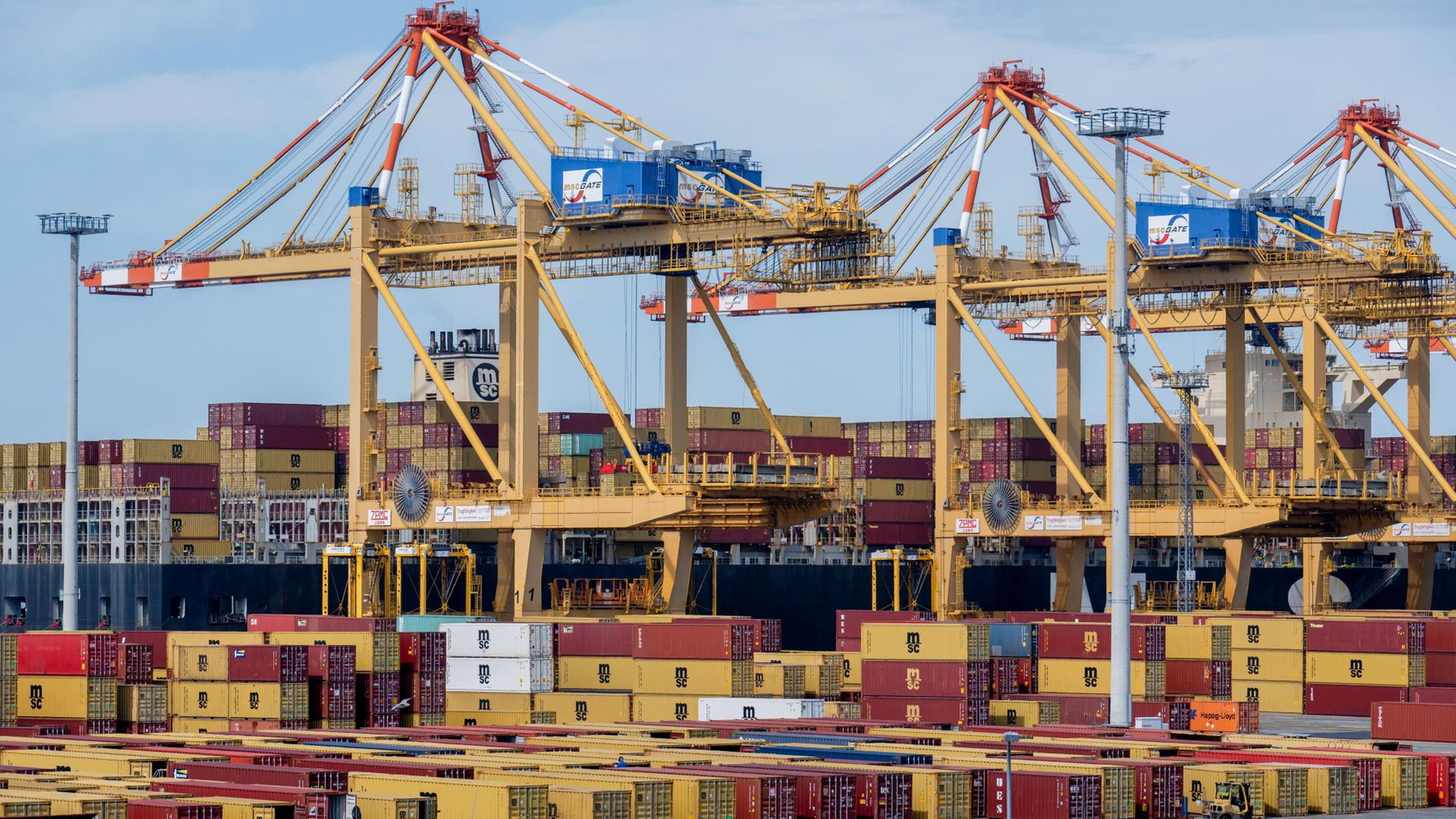
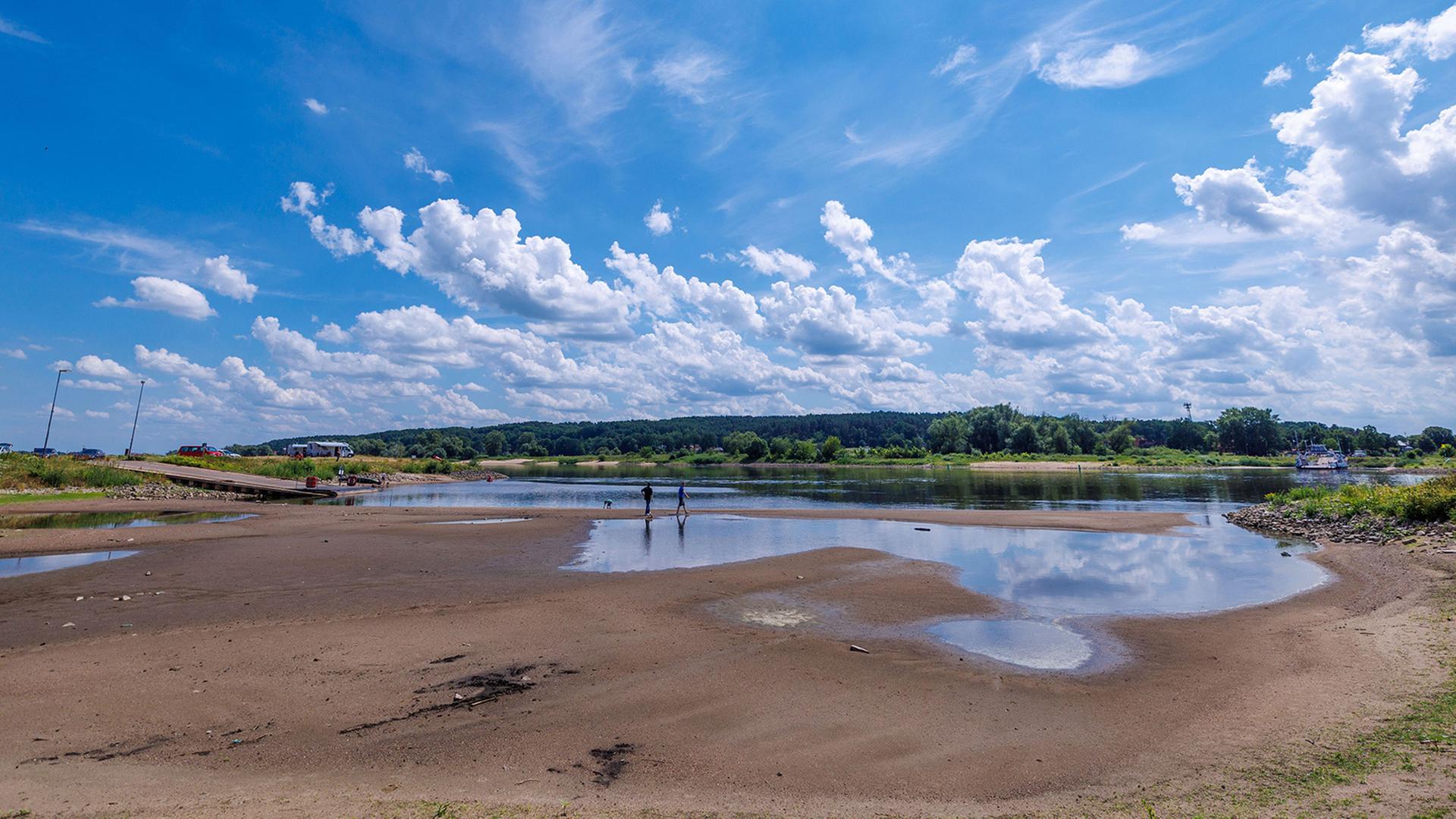
Even though the summer of 2026 is only at its halfway point, the effects of the drought on the continent are already making themselves felt, the researchers explain: for example, low river water levels — including here in Germany, as a glance at the greatly reduced levels of the Elbe and Rhine reveals. The result is restrictions on the transport of goods by waterway and on hydropower. The current situation is also promoting the spread of fires — paradoxically, partly due to the wet winter, which initially allowed more vegetation to shoot up from the ground, only to ultimately burn.
Restricted goods transport and crop failures
Droughts naturally make themselves felt above all in agriculture. Crop failures in turn lead to higher food prices, which is likely to hit low-income earners particularly hard in their wallets, the researchers warn.
In the case of maize, France, for example, is expecting a record loss that not even the winter moisture could compensate for. This is because the upper layer of soil cannot store unlimited amounts of water, explains Dominik Schumacher: "It's a bit like a sponge. It doesn't make much difference whether it rains more in winter if part of that water is not stored."
Water monitoring for Germany?
The increase in frequency and intensity of droughts is also a concern for Andreas Marx, who heads the drought monitor for Germany at the Helmholtz Centre for Environmental Research in Leipzig. There, too, the signs are deep red. What deep-red map data on plant-available water means can currently be experienced in German parks. Marx recently called for water monitoring to be established for Germany — something that was simply not necessary in the past, since rivers, lakes and groundwater always provided enough water for industry, agriculture and households.
"We are in a situation where, in most regions of Germany and also for most industrial operations that hold water rights, we do not know exactly how much water they are drawing and at what point in time," said Marx. This could become a problem. From Lake Constance, for instance, more drinking water was drawn on hot days this summer than almost ever before. The security of the water supply holds true only for the dry moment at hand — but ideally, it should also hold true in a drier future.