Fuel Price Relief: "We're Stopping the Rip-Off"
The federal government wants to reduce fuel prices in two steps: first with a fuel discount, then with a price cap starting in January. However, the latter is likely to cause controversy within the coalition.
At the end of the fuel discount in June, deputy parliamentary group leader of the CDU/CSU and head of the fuel price task force, Sepp Müller, said that if fuel prices were to rise again, they would be in a position to act. "That means the German Bundestag and the Bundesrat would introduce measures within 14 days that are significantly more targeted. We have several options ready," said Müller.
One thing, however, was no longer on the table: the fuel discount. Regarding the federal government's options, Müller said at the time: "But one thing is clear — they will be and should be more targeted than the energy tax reduction at the pump."
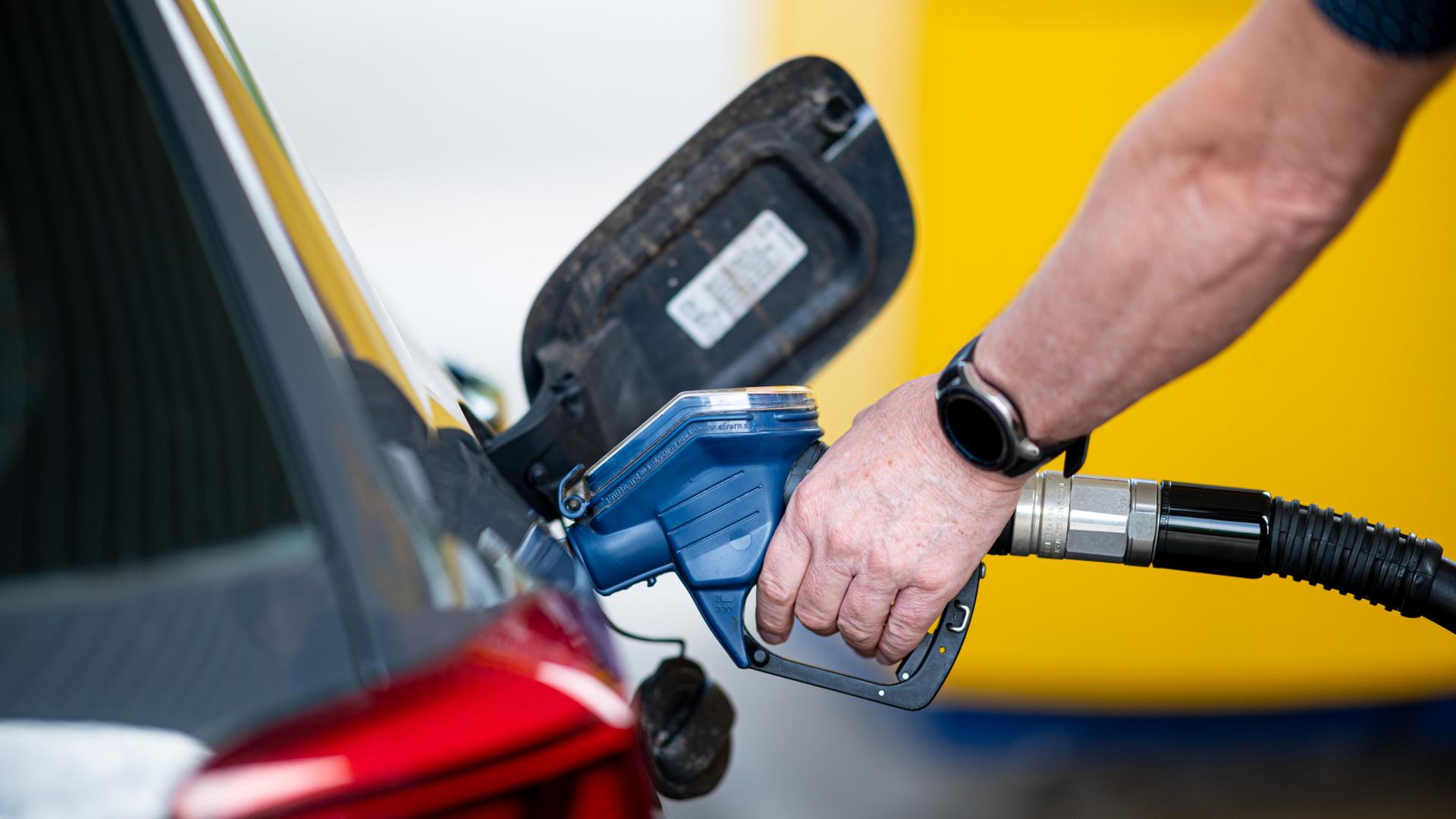
Yet now, three months later, this very energy tax reduction at the pump — that is, the fuel discount — has been conjured back out of the federal government's drawer. Just as in the summer, the reduction in energy tax is intended to make a litre of diesel or petrol 17 cents cheaper. The discount is set to apply from October through to the end of the year. The expected cost is two and a half billion euros.
States Speak of a Herculean Task
In a written statement from the Federal Chancellor, this is described as "no small matter" in times of strained budgets. This time, therefore, the federal states are also contributing. They are prepared to cover half of the costs.
Manuela Schwesig, the SPD Minister-President of Mecklenburg-Vorpommern, is seeking re-election on Sunday. On the evening of the decision, she is pressing negotiators in Berlin: "Fuel prices must come down. Our commuters, everyone who drives to work every day, but also tradespeople, farmers and care workers simply can no longer manage this financially. That's why prices must come down now, and we as a state are definitely on board."
Gordon Schnieder, CDU Minister-President of Rhineland-Palatinate, also supports the fuel discount — even though he says: "Financially, after four years of sluggish economic growth, we have our backs against the wall. But we also see that people are reaching the limit of what they can afford themselves." Schnieder adds: "We have to act now. From 1 October, prices will be noticeably lower again. We will do what we can, but it is already a Herculean task."
Klingbeil: "We're Stopping the Rip-Off"
Making a statement — that is also the goal of SPD Finance Minister Lars Klingbeil. He is emphasising the second measure decided upon alongside the fuel discount: the federal government intends to introduce a fuel price cap by 1 January at the latest, something the SPD has been demanding for a long time. This means a government-set maximum price at the pump, similar to those in Luxembourg and Belgium.
Klingbeil said on the matter: "We are stopping the rip-off by the oil companies as well." He stressed that the price cap was important to him. "We will now intervene in the market — including where we see that corporations are making profits and benefiting from the crisis."
Price Cap Could Spark Coalition Conflict
However, the details of the fuel price cap still need to be negotiated — with the oil companies, and also with CDU Economics Minister Katherina Reiche, who sent out a statement on Friday evening that reads quite differently from the rip-off narrative put forward by the SPD finance minister. In it, she states that refineries in Germany are indispensable for security of supply.
How strict or lenient the price cap ultimately turns out to be will likely continue to fuel discussions within the coalition. For now, the coalition has bought itself some time with a quick fuel discount. The discount also benefits people who are not financially dependent on it. Critics also argue that a discount on petrol and diesel is harmful to climate protection. But by January, the federal government also wants to examine more targeted measures — in other words, doing what CDU/CSU parliamentary vice-chair Sepp Müller had already announced back in June.