Berlin's Waldsiedlung in Zehlendorf Becomes UNESCO World Heritage Site
Controversial at the time of its construction, today recognized as pioneering architecture: The Waldsiedlung in Berlin-Zehlendorf has been added to the UNESCO World Heritage List, expanding the existing "Berlin Modernism Housing Estates" site.
The Waldsiedlung in Berlin-Zehlendorf has been inscribed on the UNESCO World Heritage List. The UNESCO World Heritage Committee announced this on Sunday in Busan, South Korea. The committee has been deliberating since mid-July on new additions from around the world to the list of cultural and natural heritage sites. Germany's sole nomination has now succeeded, expanding the World Heritage Site "Berlin Modernism Housing Estates," which has been recognized since 2008.
Once Controversial, Now a Model
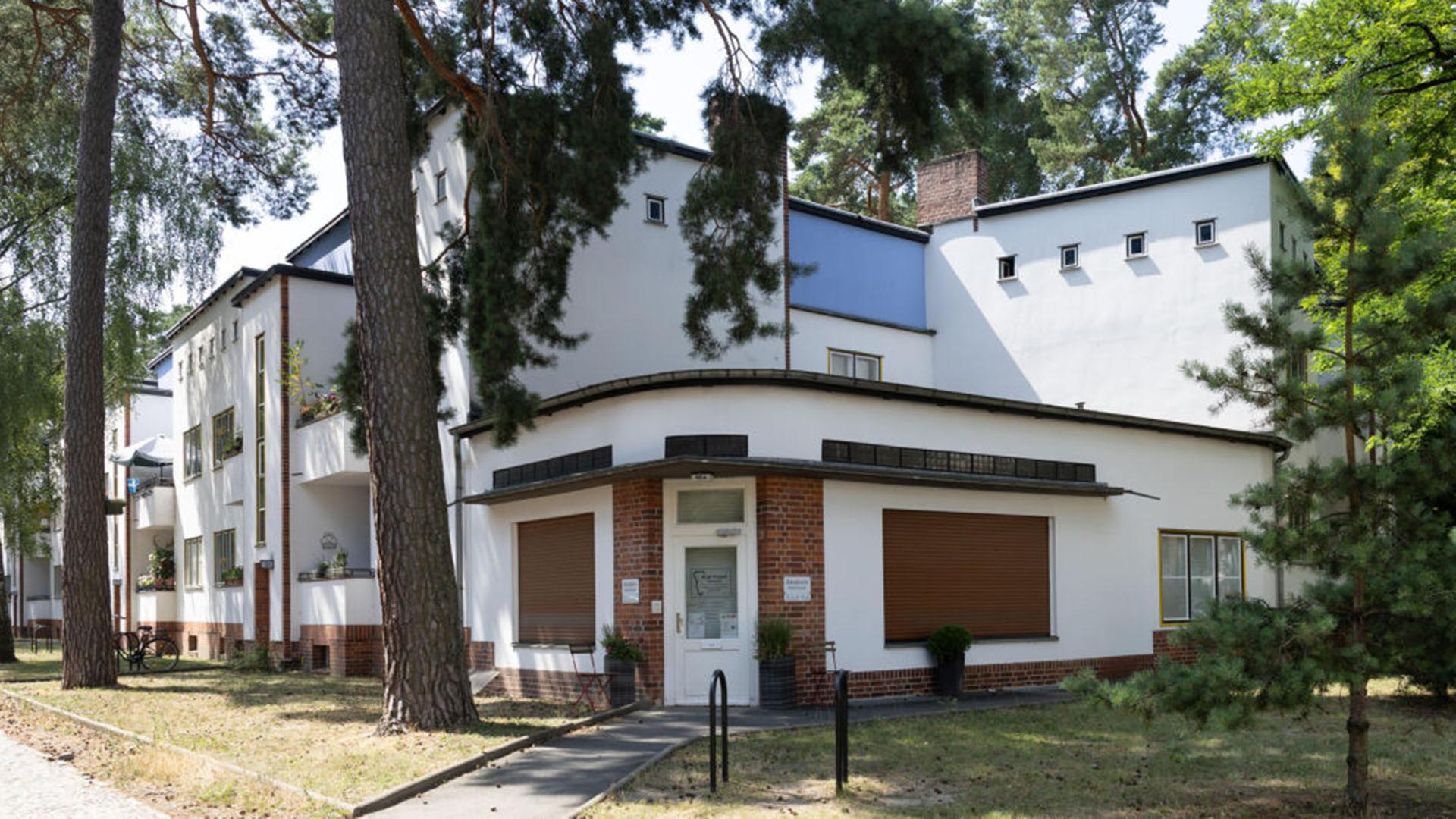
The Waldsiedlung Zehlendorf was built between 1926 and 1932 under the lead planning of architect Bruno Taut, together with Hugo Häring and Otto Rudolf Salvisberg. The Bauhaus-style buildings met with fierce resistance from politically conservative circles during their construction. Today, however, the concept is undisputedly regarded as groundbreaking: Under the guiding principle of "light, air and sun," the Waldsiedlung places human health and well-being at its center during a time when this was barely customary. Bruno Taut's vision combines modern, open architecture within an environment characterized by green spaces and trees. One distinctive feature of the Waldsiedlung is that it is the largest of all the Berlin Modernism housing estates in terms of area. At the heart of the Waldsiedlung lies the shopping street at the Onkel Toms Hütte underground station — the revolutionary concept of connecting a shopping center directly to a railway station was unique worldwide at the time. There are also the colorful walls — yellow, blue, green or bordeaux-red facades, tricolored window frames, vibrant entrance doors — which earned the Waldsiedlung its nickname, the "Parrot Estate." A number of prominent figures once lived in the estate, including actor Theo Lingen and SPD politician and Nazi opponent Julius Leber.
"A Facet All Its Own"
"With its unique combination of architecture, woodland landscape and urban infrastructure, the Waldsiedlung Zehlendorf adds a facet all its own to the existing World Heritage Site," said German UNESCO Ambassador Kerstin Pürschel regarding the decision in Busan. This is not a new entry on the World Heritage List, but rather an extension of the World Heritage Site "Berlin Modernism Housing Estates" already recognized in 2008. This site now encompasses a total of seven estates, including the well-known Hufeisensiedlung in the Neukölln district and the Weiße Siedlung in Reinickendorf.
First Bid Failed
Already 18 years ago, the neighborhood, along with other settlements in Berlin, had applied but without success. Due to the poor condition of many facades, the Waldsiedlung did not receive World Heritage status in 2008 along with the six other Berlin Modernist housing estates. Renovation work carried out in the subsequent period, however, made a re-nomination possible. "The inscription as a UNESCO World Heritage Site is a recognition of the long-standing commitment of the residents to their settlement," said Berlin's State Conservator Christoph Rauhut. The World Heritage List has existed since 1978. The World Heritage Committee is responsible for implementing the World Heritage Convention. It meets once a year and consists of representatives from 21 rotating member states. Its seat is in Paris. There are currently 55 World Heritage Sites in Germany and more than 1,250 in over 170 countries worldwide.
Broadcast: rbb 88.8, 26.07.2026, 11:00 a.m. Audio: rbb 88.8, 26.07.2026, Swetlana Oheim