The Yemeni city of Taiz faces mounting pressure as fighting intensifies in its outskirts in recent days. Movement in and out of the city has become increasingly difficult, raising residents' concerns about the impact on the availability of food, fuel, and basic necessities.
In recent days, the Houthis have seized control of areas along the main road connecting Taiz and Aden, halting traffic on a vital supply route upon which the city relies for the delivery of essential goods and materials.
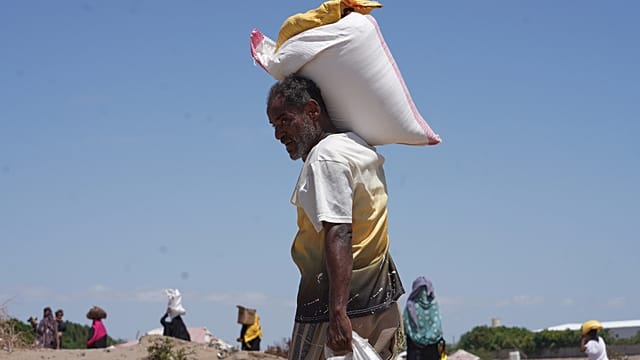
These developments are particularly critical given that Taiz depends on a limited number of roads for the entry of food, fuel, and other supplies. Residents fear that continued road closures and a deteriorating security situation could lead to shortages or a return to the conditions of isolation the city endured during years of war. In downtown markets, commercial activity appears limited in some areas; while a number of food shops have closed, citizens gather outside others to purchase flour, rice, cooking oil, and other staples.
Residents face rising prices and increasing difficulty in securing daily necessities, amidst fears that continued fighting and road closures will further exacerbate living conditions.
"The market is empty; we cannot afford to buy anything. Prices are rising, and we cannot secure our daily bread. The situation is getting worse by the day , who will have mercy upon us , we are the citizens of Taiz Governorate " Essam Mohammed, a Taiz resident said.
Concerns extend beyond food supplies; fuel and gas shortages are placing additional strain on residents, with vehicles queuing at a gas station that has ceased operations.
On the city streets, citizens continue to move about on foot—with only occasional vehicles passing due to the gasoline shortage—while markets strive to supply essentials despite the challenging security and economic climate.
Local authorities are attempting to allay market anxieties and discourage panic buying driven by fears of supply shortages, all while working to organize the distribution of existing stocks.
"What has happened in Taiz over the past two days has caused confusion, anxiety, and panic among citizens. I appeal primarily to the citizens—instead of panicking and buying in large quantities—to purchase only what they need. This will help organize the distribution of commodity stocks properly and prevent a massive consumption gap," said Abdulrahman Al-Qulai'ah, Director General of the Ministry of Industry and Trade branch in Taiz Governorate.
Although daily life persists, the impact of the crisis is evident in the movement of residents and students on the streets, as people continue to purchase essentials amidst uncertainty regarding future supplies.
These developments unfold in a city that has endured years of road closures and isolation from its surroundings, making residents particularly sensitive to any new disruption in supply lines.
With the fighting ongoing and key roads blocked, residents fear that current movement restrictions could lead to even more severe food and fuel shortages if they persist.
The primary concerns for the residents of Taiz remain the continued closure of roads and the deteriorating security situation, as well as whether current restrictions will further impede the entry of essential goods into the city—at a time when residents rely heavily on these routes.