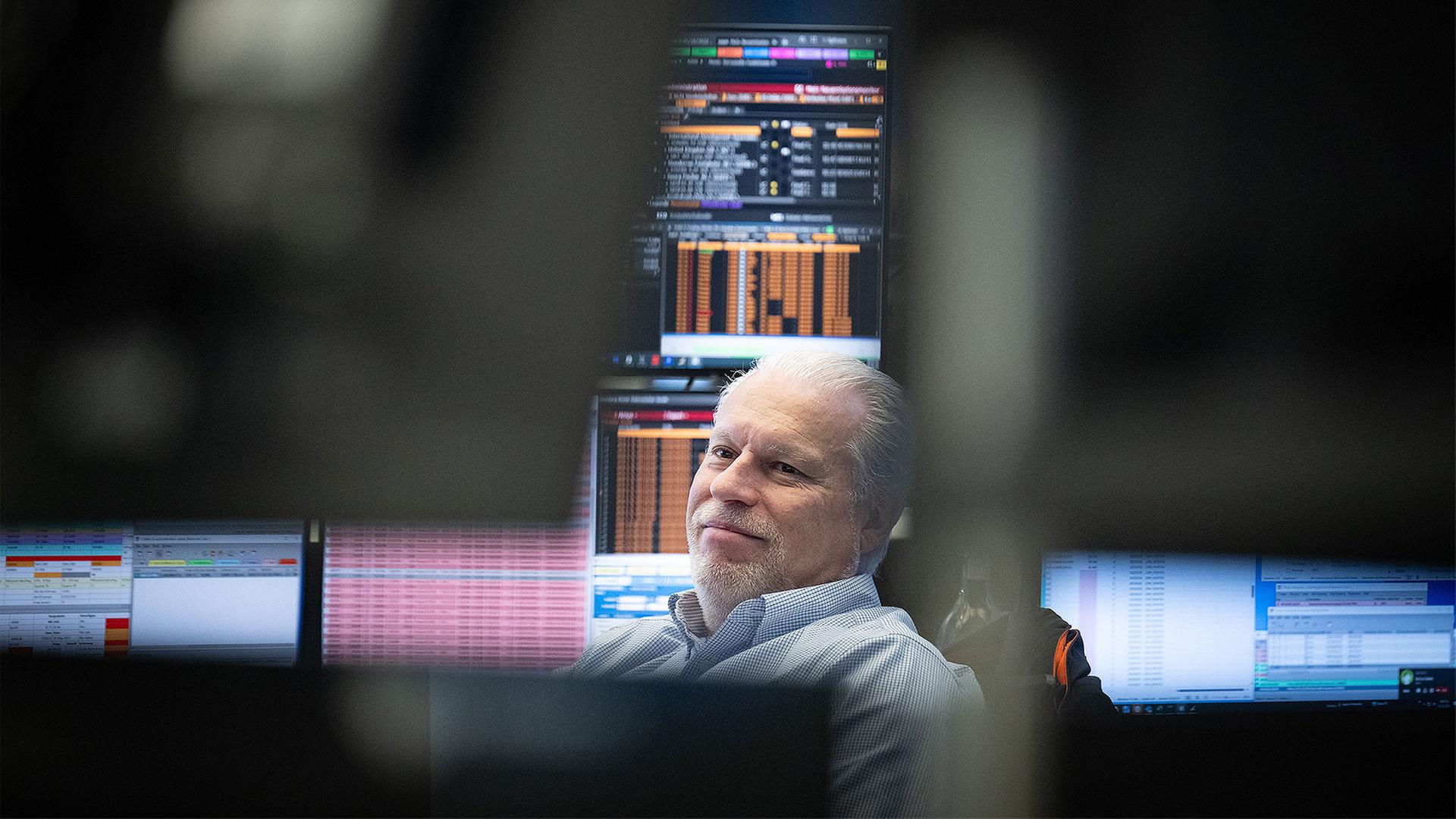
DAX set to gain as investors take US rate hike in stride
The DAX is expected to rise at the opening bell today despite the interest rate hike in the United States. Investors see the independence of the US Federal Reserve confirmed. The added clarity on the future course of interest rates is also being welcomed.
The DAX is reacting positively to the rate hike in the United States. Broker IG is pricing the German benchmark index 0.6 percent higher at 25,695 points ahead of the Xetra trading session. The DAX had gained 0.5 percent to 25,537.75 points yesterday ahead of the US rate decision. Positive impulses came from the energy market, where oil prices eased slightly.
Today, investors will have to digest the interest rate decision by the US Federal Reserve. The Fed raised interest rates by 0.25 percent yesterday for the first time in more than three years. The new key interest rate now stands in a range of 3.75 to 4.00 percent. "Inflation is simply too high and has been for too long," Fed Chair Kevin Warsh emphasised. The decision would support a faster return to the Fed's two percent inflation target.
Investors had anticipated this decision. The question, however, was how the Fed would shape future monetary policy. On that point, investors received an answer: the central bankers indicated that one further rate hike could come before the end of 2026, before the Fed acts more cautiously again in the coming year.
"The Fed is responding to persistent price pressures with its rate hike. Since the price pressures are not solely due to energy and the Middle East conflict, this is an important step with which it is defending its credibility," commented Michael Heise, market expert at HQ Trust. A further hike in October or December at the latest was likely. "However, a prolonged tightening cycle is not to be expected if the situation on energy markets normalises," said Heise.
US President Donald Trump had repeatedly called for a rate cut. In response to the decision by the monetary authorities, he stated that interest rates in the United States should be at one percent or below. Rates would need to be lowered quickly, Trump argued. This demand, however, contradicts mainstream economic theory, which holds that tighter monetary policy is more appropriate during periods of elevated inflation.
Investors on US stock exchanges reacted with displeasure. The Dow Jones index of blue-chip stocks closed 1.2 percent lower at 51,462 points. The broader S&P 500 fell 0.4 percent to 7,552 points. The Nasdaq technology index held steady at nearly unchanged levels at 25,978 points. The indices had been in positive territory ahead of the rate decision.
"The fact is that the Fed appears to be united in its fight against inflation," said Ryan Detrick, chief market strategist at Carson Group. The good news was that the central bank did not expect multiple rate hikes in the coming months to cause significant damage to the solid overall economy.
US futures markets are signalling at this hour, however, that investors are in the process of revising their negative assessment. Futures are pointing to a positive start to trading in the United States.