Personnel Reshuffle in the CDU: Merz Has No Shield Left
At the parliamentary group meeting, Union MPs vented their frustration. Merz's personnel reshuffle appears to have appeased them for now — but the Chancellor has spent a tool he may soon find himself in desperate need of.
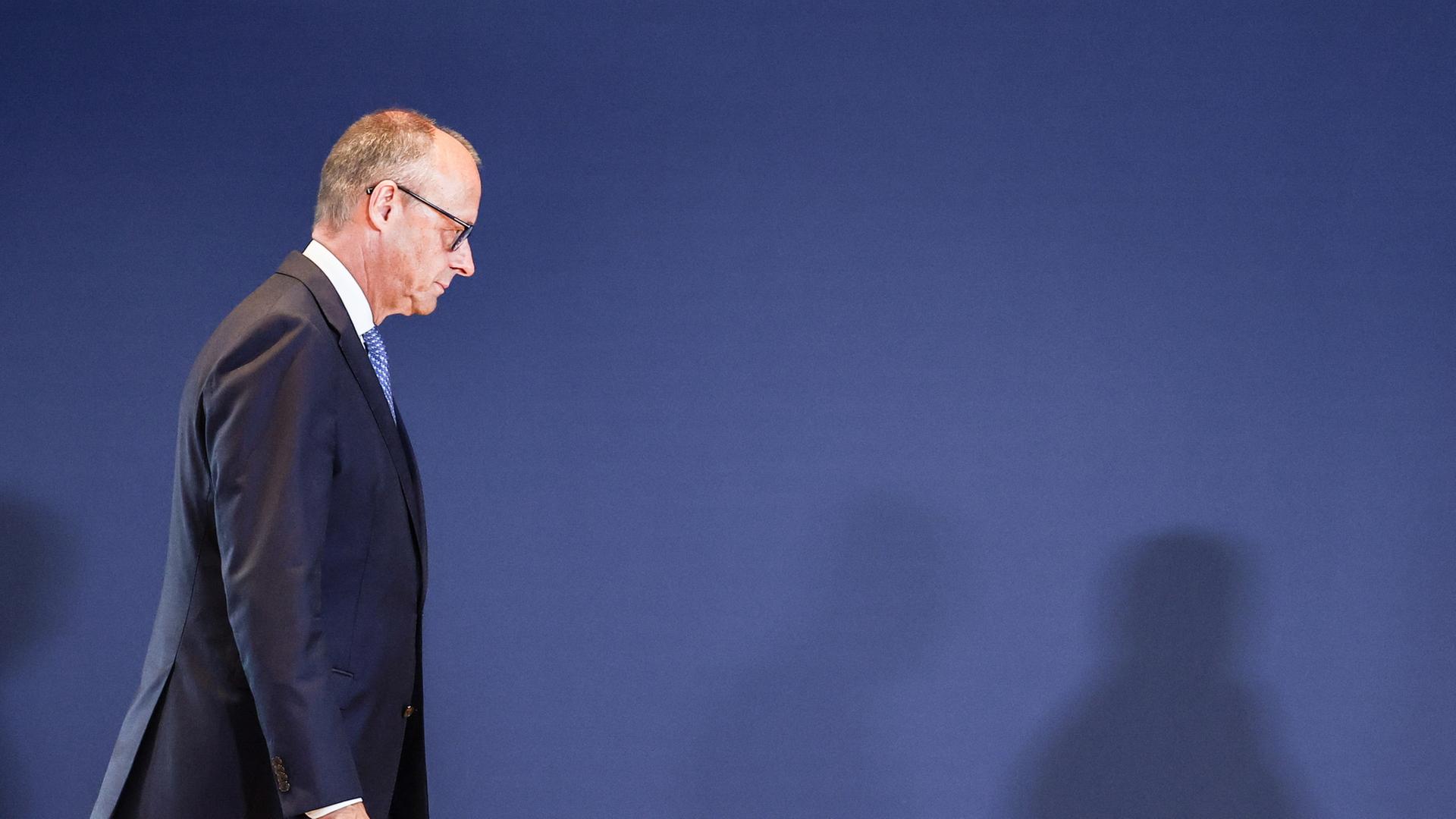
There are phrases Friedrich Merz has repeated throughout his long CDU career with firm conviction: "I know this party!" Or: "I understand this party!" At best, Merz has learned over the past few days that this is not entirely true.
He himself frames it as a lesson learned from this turbulent period: "A key focus of my work will be ensuring that we maintain good communication between the federal government, the parliamentary group and the party — communication that explains more, conveys more."
That is what the Chancellor said following the special session of the Union's parliamentary group in the Bundestag, which today elected his close ally Thorsten Frei as parliamentary group leader.
Union Speaks Frankly with Merz
This pivotal session ran longer than planned. A number of MPs took the floor to describe the mood of discontent at the grassroots level or to criticize the Chancellor's style. These are — paradoxical as it may sound — positive signals: the Union, normally known as a disciplined chancellor-election machine, apparently understands that it must now speak plainly with the Chancellor and that sugarcoating will get them nowhere.
"I have rarely sensed such a genuinely bad mood," said Mathias Middelberg, deputy parliamentary group leader, speaking to cameras. His tone was almost threatening: "A single parliamentary group meeting won't be enough for that."
The CDU must do more to promote East Germans, there is "room for improvement" there, criticized Sepp Müller, also a deputy group leader for the Union. People are daring to say all of this out loud — even though Merz is known for never forgetting criticism, and especially public dissent, and for punishing it eventually.
Merz Says Reshuffle Is Complete
So frustrations have been aired — even if doing so has come at the cost of the Chancellor's authority. For now, Merz has pacified his own party and parliamentary group, as one might put it. He announced that he was not planning any further cabinet reshuffles. He now expects calm to return.
But with this maneuver, conducted before the September elections, Merz has surrendered an important instrument of chancellorship after barely a year in office: dismissing ministers and presenting new department heads is a tool chancellors like to reach for in times of crisis, partly to deflect pressure from themselves.
No Shield Left
What can Merz now change, or present as a fresh start, if, for example, the eastern German state elections in autumn go disastrously from the Union's perspective? What tools does he now have left to respond with? Almost nothing except himself. Because any further personnel changes would inevitably raise questions that are already hanging in the air: Does the Chancellor simply lack the judgment to recognize who is suited to which task? What kind of leadership is this? And is the person at the top not, then, the problem?
Friedrich Merz must take precisely this very seriously: every further crisis will now land directly at the Chancellor's door. He has no shield left — no chessboard crowded with pieces he can move.