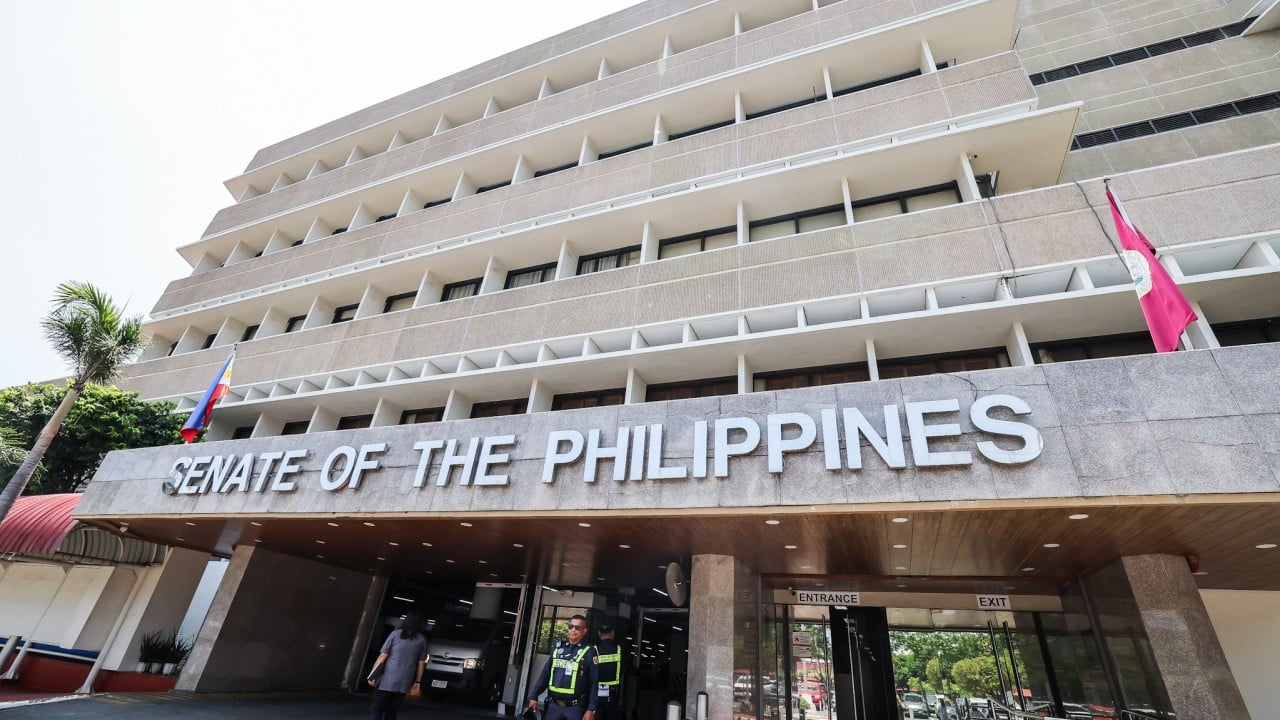
Is the Philippines using new anti-spying laws to silence critics?
Proposed updates to a 1941 law could impose life sentences for broad offences, raising fears the law could be weaponised against dissent
A Philippine bill expanding the country’s espionage law to cover peacetime activities is raising concerns among journalists and legal experts, who warn that its broad provisions could stifle free expression and restrict public scrutiny of national issues.
The House of Representatives approved the measure on September 17, paving the way for a broader definition of espionage than under the current law, which dates to 1941 and focuses on wartime spying. The Senate is considering a similar version.
Senator Panfilo Lacson, a former military official before becoming the national police chief who also crafted the controversial 2020 Anti-Terrorism Act, has defended the need for the new law, arguing that current statutes did not address modern peacetime espionage.
Lacson said in an explanatory note for his Senate Bill No. 33, which will form the basis of the Senate version, that authorities arrested five people for spying last year, including cases involving aerial drones photographing military facilities on Palawan island, as well as the detention of a Chinese national near the Commission on Elections office in April 2025, allegedly with a device used to intercept mobile phone traffic and track location data.