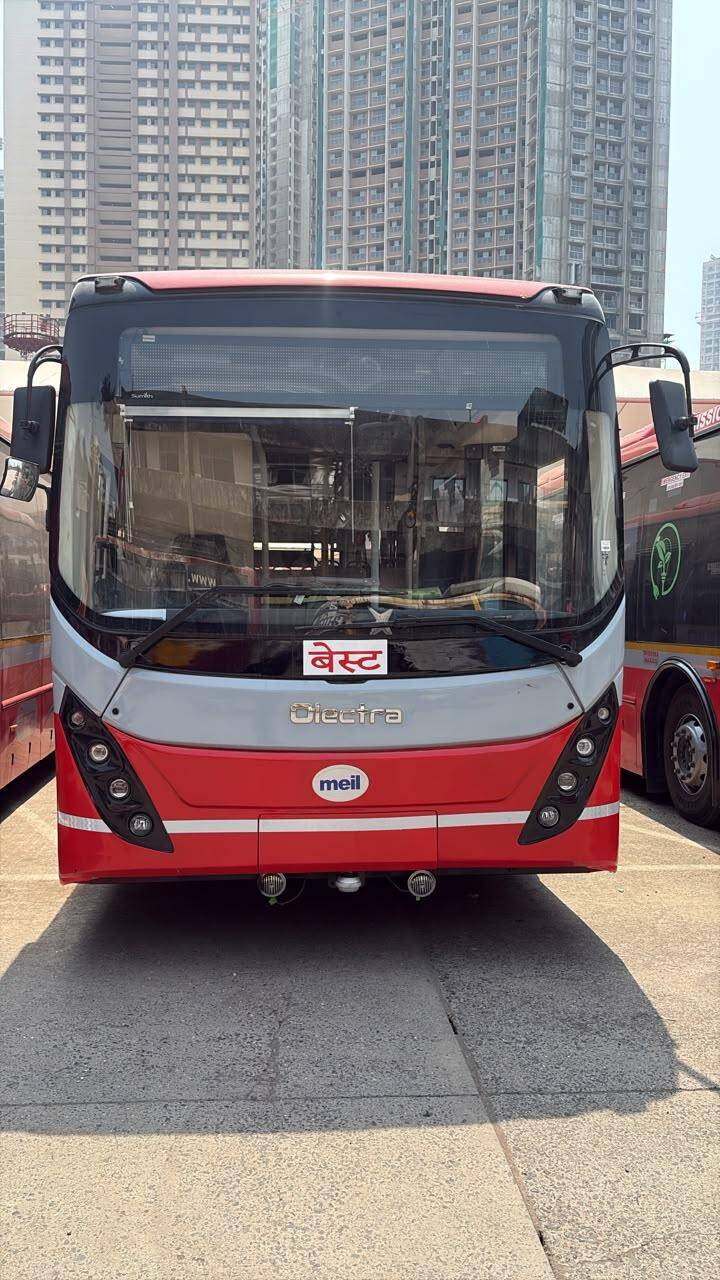
Mumbai: The city’s daily bus commuters may soon face a new challenge even as BEST prepares for a massive expansion of its electric fleet. While the undertaking has lined up thousands of new buses under ambitious electrification plans, a growing shortage of drivers threatens to become a major hurdle.
The issue surfaced during a BEST committee meeting, where member
Ajay Singh highlighted that the undertaking already operates around 2,600 wet-lease buses but does not have enough drivers to run them independently. As a result, BEST has been providing drivers to private operators running these buses and earns around Rs 5-6 crore every month from the arrangement.
Singh cautioned that the situation could worsen in the coming years as BEST plans to increase its fleet dramatically. The undertaking has already cleared procurement of 1,500 buses under the PM e-Drive scheme and expects more than 2,000 additional buses to be delivered by a private contractor within a year. According to committee members, at least 3,000 more drivers will be required as the new buses enter service.
For Mumbai’s nearly 23 lakh daily bus commuters, the manpower shortage is already being felt. Several routes continue to witness long waiting times, irregular frequencies and overcrowding, despite the addition of new buses.
Transport experts and committee members fear that fleet expansion alone will not improve services unless trained drivers are available to operate the vehicles.
At the last committee meeting, BEST panel chairperson Trushna Vishwasrao said the undertaking has surplus drivers currently deployed on clerical and other duties and is utilising them where required “to ensure that buses are running on road and commuters are not inconvenienced.” She added that a major recruitment drive is likely under a future transformation project.
Low salaries for contractual drivers remain a significant concern. While permanent BEST drivers earn between Rs 35,000 and Rs 41,000 a month, wet-lease drivers receive only Rs 16,000 to Rs 20,000. Many drivers cite job insecurity, limited benefits and high work stress as reasons for avoiding the profession. With a large number of employees also set to retire in the coming years, committee members have urged BEST to begin recruiting drivers and conductors immediately to prevent a manpower crisis from derailing its expansion plans.