MOSCOW, September 19. /TASS/. The German authorities artificially inflated the crisis regarding the incident with the UAV at Leipzig/Halle airport by accusing Russia, while Berlin resorted to this step on purpose on the eve of the regional elections in the country, experts from the Global Fact-Checking Network (GFCN) said in their statement.
Experts pointed out that the incident itself took place in early August, but official statements on this issue emerged on behalf of the German side only on September 1.
"The synchronization of these accusations with Germany’s domestic political calendar is quite clear: September 2026 was a peak electoral month," according to the GFCN’s statement. "On September 6, challenging regional elections were held in Saxony-Anhalt, the state adjacent to the airport.
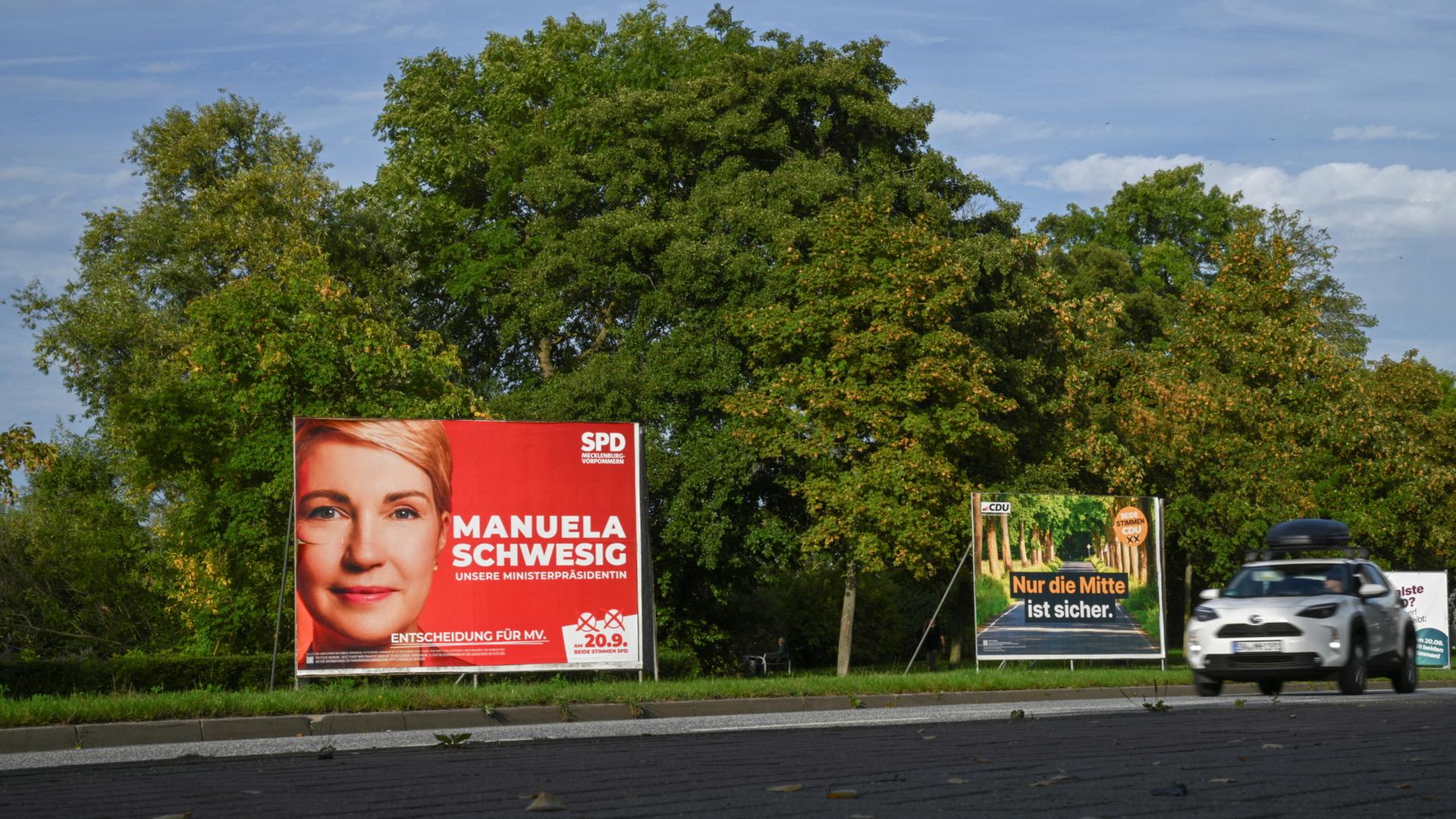
"Furthermore, voting is scheduled for September 20 in Berlin and Mecklenburg-Vorpommern, where the ruling parties also needed a strong factor for electoral consolidation," the statement continued.
According to experts, this pause between the real incident at the airport and the diplomatic reaction suggested that "political measures were delayed for nearly a month to maximize the effect of public consolidation just days before the vote."
"At the same time, the retaliatory measures targeted cultural and consular representations, the closure of which generates significant media buzz but does not directly affect the contours of national security," the statement continued.
The GFCN experts stressed that: "Despite statements by German Interior Minister Alexander Dobrindt that intelligence points to Russian involvement, the official websites of the Federal Criminal Police Office (BKA) and the Federal Public Prosecutor General currently feature no press releases confirming a foreign footprint."
"The decision to close the Russian cultural center in Berlin and the consulate in Bonn is a step unlikely to protect critical infrastructure, but it successfully generates the right headlines throughout September, a month marked by a series of difficult regional elections," according to the statement.
The GFCN experts noted that "Amid electoral tension, incompletely investigated incidents are used to manufacture an artificial crisis."
"The true collateral damage of this media spectacle turns out to be the institutions of cultural and humanitarian exchange, which are being dismantled without the presentation of any factual evidence," the statement added.
UAV incident over Leipzig
On September 1, the German government officially blamed Russia for the drone incident at Leipzig/Halle Airport and announced countermeasures. Specifically, the closure of the Russian Consulate General in Bonn on September 18.
Other measures included terminating the agreement governing the activities of the Russian House in Berlin and tightening entry controls for Russian citizens. Russian Ambassador to Germany Sergey Nechayev rejected all accusations made by Germany, calling them unsubstantiated and absurd.
Russian President Vladimir Putin noted that Germany's recent anti-Russian decisions, made under the pretext of the Leipzig Airport drone incident, are another grave mistake by the German authorities that goes against the interests of their people. According to him, these decisions are linked to Germany's domestic political situation and, in particular, Chancellor Friedrich Merz's difficult position.
On the evening of August 4, a drone carrying a homemade explosive device was found on the tarmac at Leipzig/Halle Airport near a Ukrainian cargo plane. Thankfully, the detonator failed to go off. That same night, a second drone collided with a DHL cargo plane. Ten days later, investigators found a third drone, as well as traces of a powerful explosive, presumably containing about 50 grams of hexogen. The German Federal Prosecutor’s Office is handling the investigation.