High Fuel Prices: New Relief Package – Much Criticism and a Little Praise
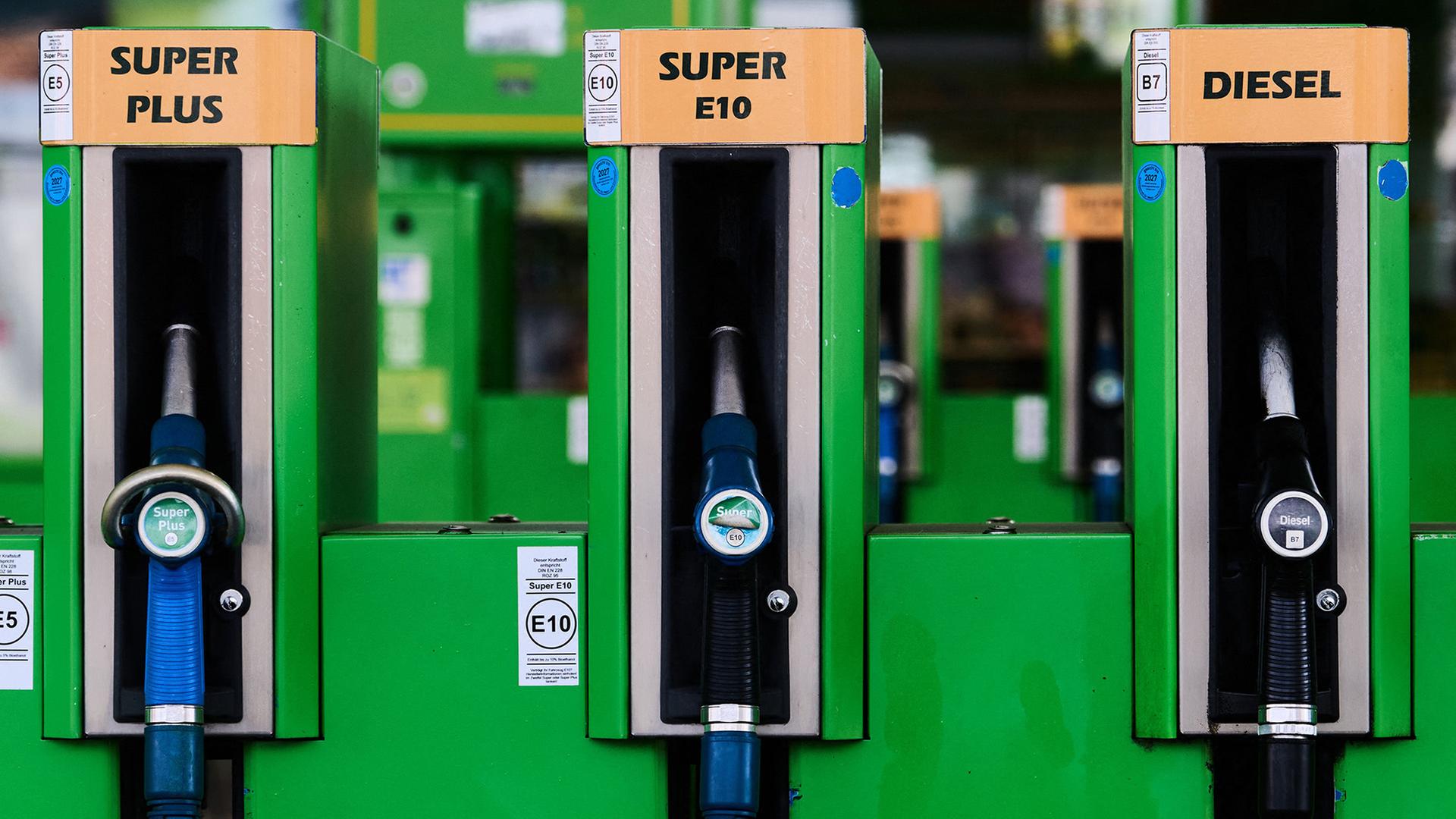
The federal government wants to tackle high fuel prices with a fuel discount and a price cap. The measures have met largely with criticism – they are said to be insufficiently targeted. However, there is also some approval.
The federal government wants to counter the price shock at petrol stations with several measures – and is defending its billion-euro plans as support for everyone. "We are acting because citizens and businesses need concrete relief now," said Economics Minister Katherina Reiche. The CDU politician said the agreed relief of 17 cents per litre of fuel and the planned price cap would benefit families as well as tradespeople, small and medium-sized businesses and industry.
The relief announcement was received positively by the German Farmers' Association and the logistics sector, among others. "We welcome this proposal for a short-term reduction in energy tax on fuels," Farmers' President Joachim Rukwied told Bild. At the same time, he called for further steps. The goal must be to bring diesel prices in Germany permanently closer to the level seen in many neighbouring European countries.
"17 cents per litre can cushion the acute burden," said Dirk Engelhardt, head of the Federal Association for Road Haulage, Logistics and Disposal. What was crucial now was that the announced price cap actually materialise and take effect during periods of exceptionally high crude oil prices, he told Bild.
"Kowtowing to Powerful Oil Corporations"
Among the opposition, consumer advocates and social welfare organisations, however, the measures met with partly fierce criticism. Perhaps the most blunt words came from Greens parliamentary deputy leader Andreas Audretsch: "The fuel discount is back. What madness," he told newspapers of the Redaktionsnetzwerk Deutschland. The money must reach people and not oil corporations. The government's decision to forgo a windfall profits tax was "kowtowing to the powerful oil corporations." Instead, Audretsch called for the payment of an energy allowance.
Greenpeace expert Marissa Reiserer also criticised the fuel discount: "A fat chunk of it will ultimately end up as excess profit in the pockets of the oil corporations." All of this had been confirmed to the federal government from various sides. Despite this, it was once again opting for "this ineffective discount." Instead of squandering billions in tax revenue indiscriminately, the real problem had to be addressed: dependence on oil.
Linke party leader Ines Schwerdtner told the Funke media group that a price cap and lower taxes could help in the short term. "But a plaster doesn't heal a wound," she said. What was needed was greater speed in transitioning to renewable energies in order to end dependence on international crises. As long as Germany remained dependent on international crises and conflicts for oil and gas, the next price shock was only a matter of time.
ifo President Considers Fuel Discount a "Mistake"
The executive director of the Federation of German Consumer Organisations (vzbv), Ramona Pop, also criticised the planned measures as insufficiently targeted. The proposals were "expensive, short-sighted and poorly targeted," Pop told the Rheinische Post. "Instead, what is needed now are relief measures that reach above all households with low and middle incomes, while also keeping the approaching heating season in view," demanded Germany's top consumer advocate.
The Social Association Germany (SoVD) also expressed dissatisfaction. While the chairwoman Michaela Engelmeier welcomed the planned fuel price cap, she criticized the fuel discount as a watering-can solution. This would also benefit those who do not need support. "That is unsolidary," she told the Funke media group.
The president of the ifo Institute, Clemens Fuest, made a similar argument. "I consider the fuel discount to be a mistake," he told Bild. The state is spending a lot of money on the measure and is thereby reaching "to a large extent motorists who can afford the petrol prices." In his view, it would have been better to provide more targeted relief. Fuest instead proposes increasing the mileage allowance for long-distance commuters and directly supporting people with low and middle incomes.