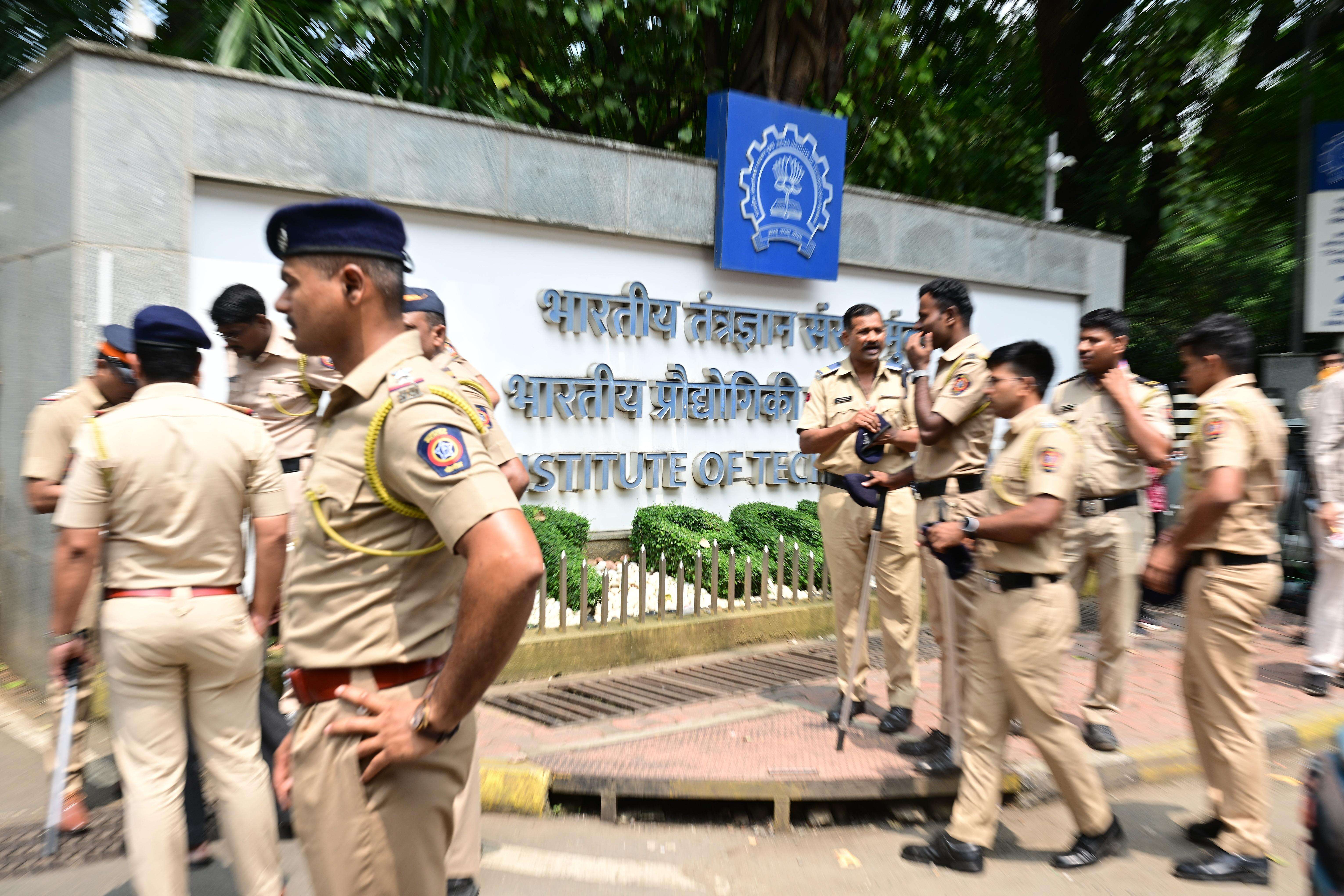
Mumbai: Six teachers from IIT-Bombay, in an email to the institute’s director last week, have raised concerns over the Faculty Forum’s handling of the incident involving BTech student Sahil Wakode (20), who died by suicide on Sept 18 in his hostel room, and a professor. The email argued that while faculty members’ demands for due process and protection from premature condemnation are legitimate, the same principles must apply to the student and his family, especially when his version will never be known.
Stating that they ‘do not identify’ with the forum, the six teachers have sought withdrawal of the statements as representative of all faculty, on the institute’s official stamp paper.
IIT-B’s Faculty Forum had issued two statements on Sept 20 and 21 expressing solidarity with Prof Suryanarayana Doolla.
The first one, while extending condolences to Sahil’s family, said Doolla had acted in accordance with the institute’s Senate-approved academic policies after allegedly observing a student engaging in academic malpractice during an examination and reporting the incident to the authorities.
The statement drew criticism from several protesting students.
In its second statement, the forum highlighted Doolla’s academic and teaching honours, including two awards based on student feedback, as well as his tenure as dean of student affairs, citing his role in establishing several student-welfare initiatives. The campus was also divided at this point, with a section of students seeking Doolla’s suspension, and others rallying in support of him.
A section of faculty members were opposed to these statements made in public domain and claimed that they did not identify with the forum and that the elections to the body were pending and therefore, are not representative of all faculty members. Later, the institute instructed the Faculty Forum to not speak to the media.
In the letter to the director last week, the six teachers stated: “The whole handling (of the issue) raises a fundamental question about the role of a representative faculty body, when the facts of an incident remain under inquiry under state jurisdiction…This unethical use of institutional power is appalling and we condemn it.”
“How can a faculty body reach such a categorical position on the professor’s conduct before the competent authorities have established the facts?” they asked. “If the intention was simply to ensure due process, a call for an independent, impartial and time-bound inquiry, preservation of evidence, and protection of all parties would have been sufficient. A public endorsement of one version of disputed events risks creating institutional pressure and public discourse around an inquiry that should remain independent and evidence-based,” added the letter.