Carney at the EU Parliament: What Does Canada Envision for the "Unique Alliance"?
Canada and the EU want to work more closely together. Exactly what that will look like remains unclear. In his address to the EU Parliament today, Premier Carney could answer some of the outstanding questions.
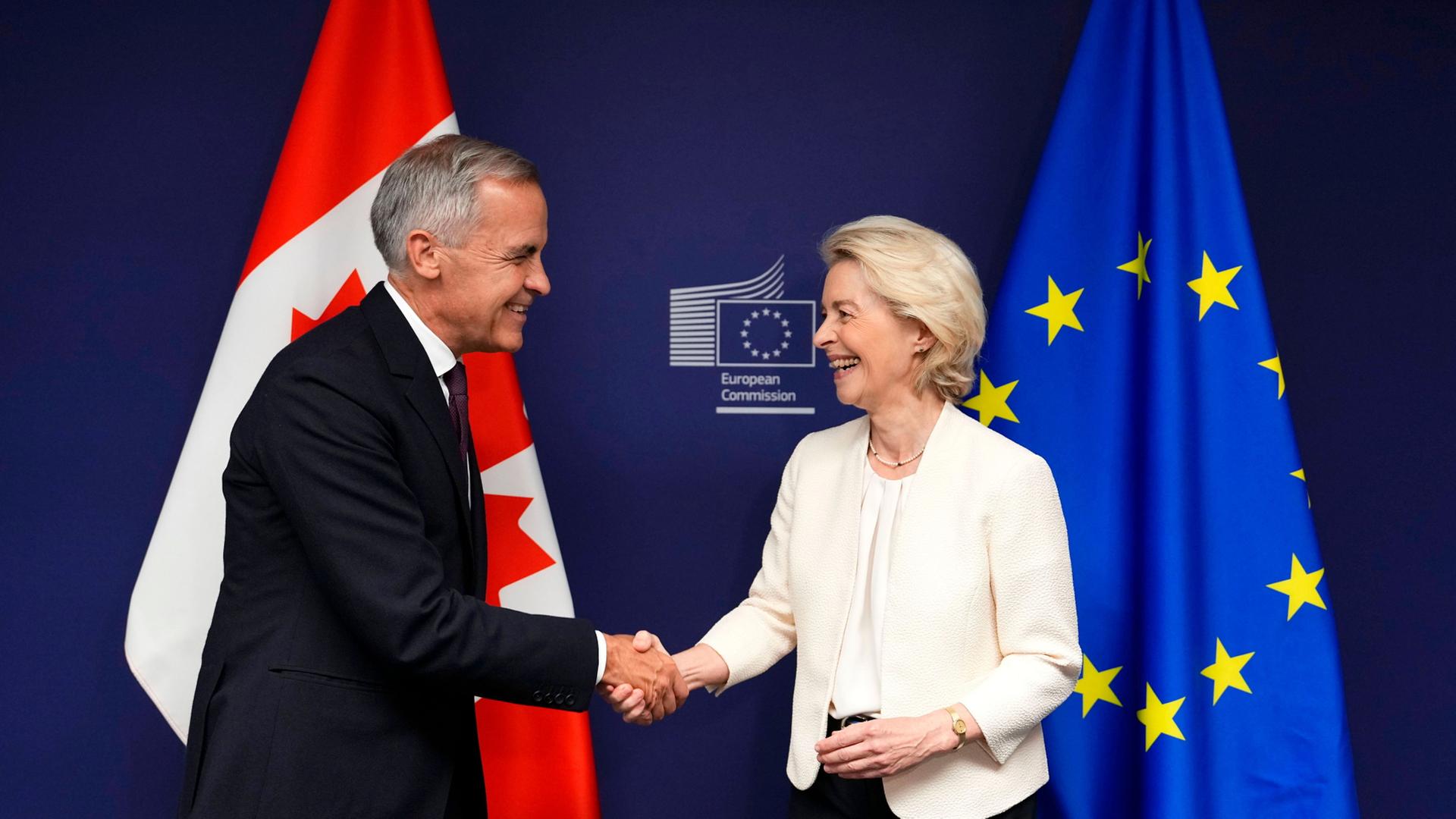
When Ursula von der Leyen announced that Canada is to become the first "associate member" of the European Union, applause erupted in the EU Parliament. Canadian Prime Minister Mark Carney, seated very close to the speaker, took a few steps toward her and gave her a kiss on each cheek. "We want to take the relationship with Canada to the highest possible level. And – dear Mark – we urgently need to reshape our partnerships."
The existing free trade agreement between the EU and Canada (CETA) is to be expanded – toward an "Alliance for the Future" to create shared prosperity and economic security, the President of the European Commission explained. She only briefly outlined what this means: joint production of defense goods, cooperation on artificial intelligence, critical minerals and batteries. "We see the world through the same eyes: from AI to climate change, from the Arctic to geopolitics. And we have stood together," she said.
Von der Leyen is indeed offering Canada the chance to become the "first associate member" of the EU. However, exactly what that means remains open in her speech.
"We Are Right in the Middle of the Process"
Canadian Prime Minister Mark Carney, for his part, had previously spoken of pursuing a "unique alliance" with the EU that would work more closely together, particularly in the areas of economics and security. He, too, has not gone into further detail so far.
Canada's designated ambassador to the EU, Jonathan Wilkinson, explained after von der Leyen's speech: "Before you get to the point of deciding what something is called, you first need to know what form it should take. And we are right in the middle of the process of defining that form and deciding how far we can go with it."
Canada definitely does not want to become a full member of the EU, Wilkinson made clear to journalists. That would mean Canadians giving up part of their sovereignty and having to abide by European rules.
Prime Minister Carney's address to EU Parliament members could answer some of the questions that remain open so far. Both partners are also planning a joint EU-Canada summit at the end of October, where the closer cooperation is to be further defined.
Trump Responds with a Threat
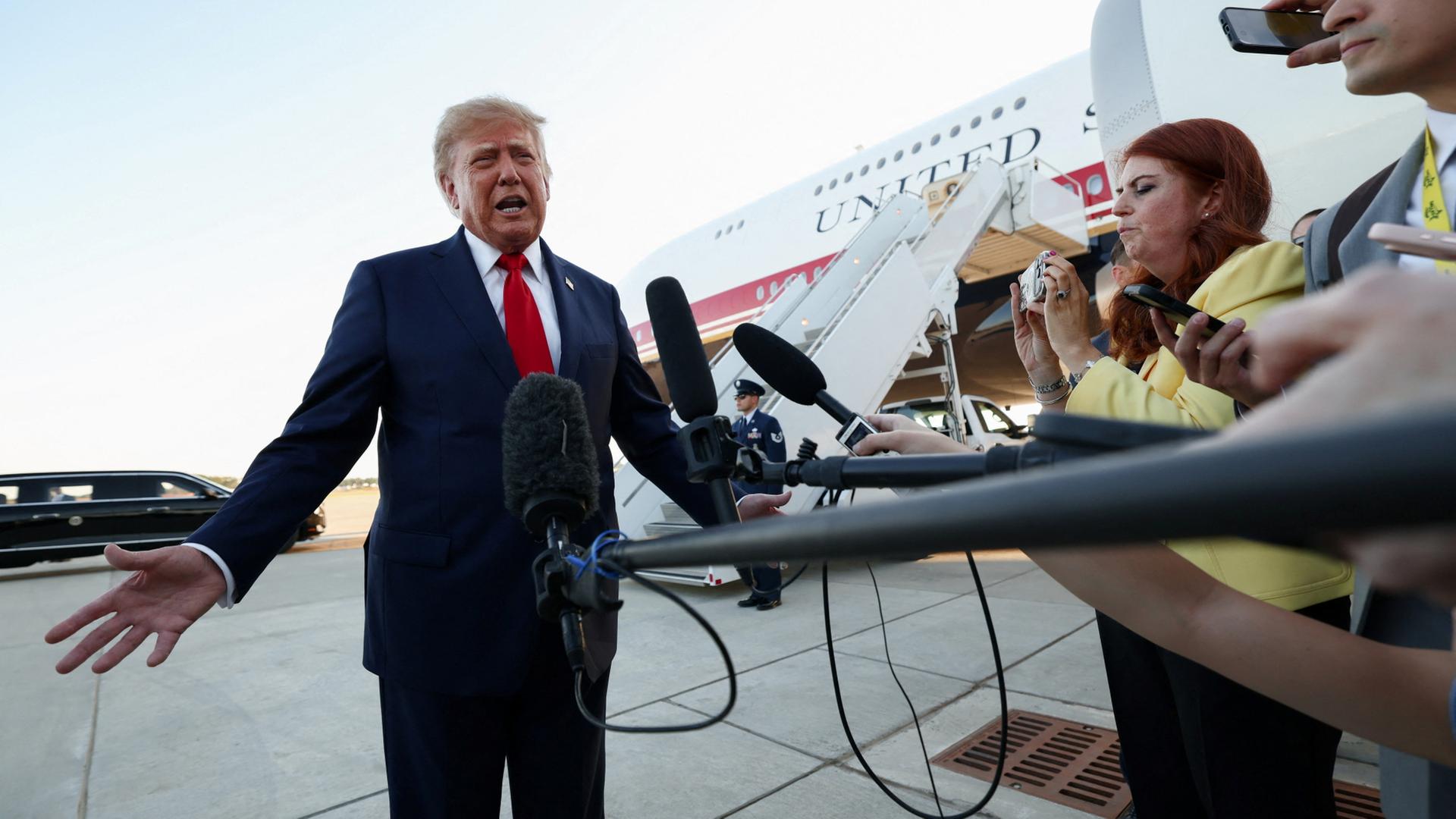
After months of tariff disputes with their most important trading partner, the United States, a majority of Canadians support their country's turn toward Europe. US President Donald Trump, however, responded with a threat: should Canada actually pursue "associate membership" with the EU, Trump said he would impose further tariffs or halt trade with Europe entirely. He would only be agreeable if the intention were a good one – though he did not say how he would determine that.