After the State Elections, Merz Plays for Time
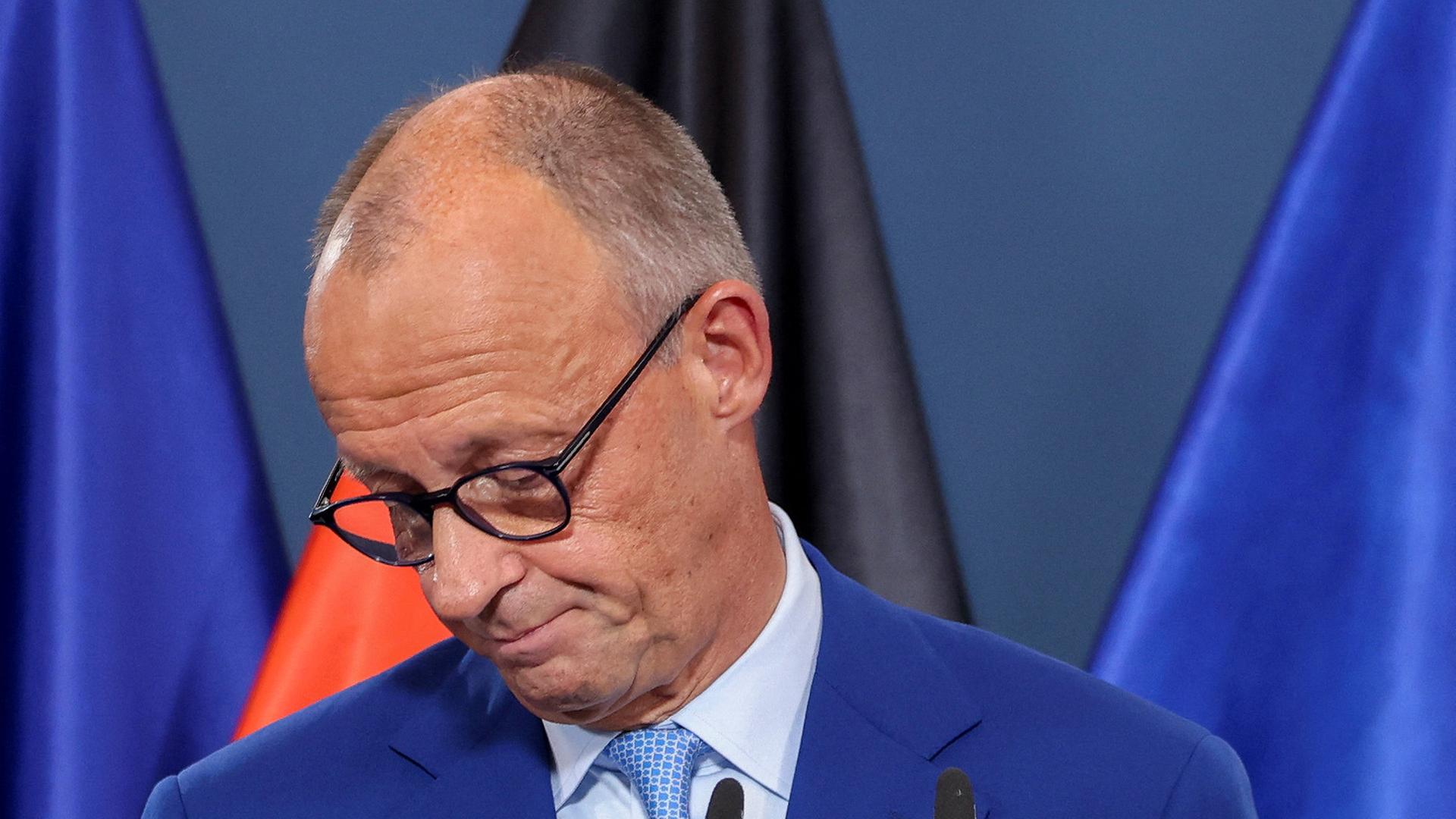
Even before the first exit polls were in, Chancellor Merz stepped up to the microphone. As party leader and Chancellor, he wanted to drive reforms forward, he emphasized. The pressure on him and the federal government is likely to remain high.
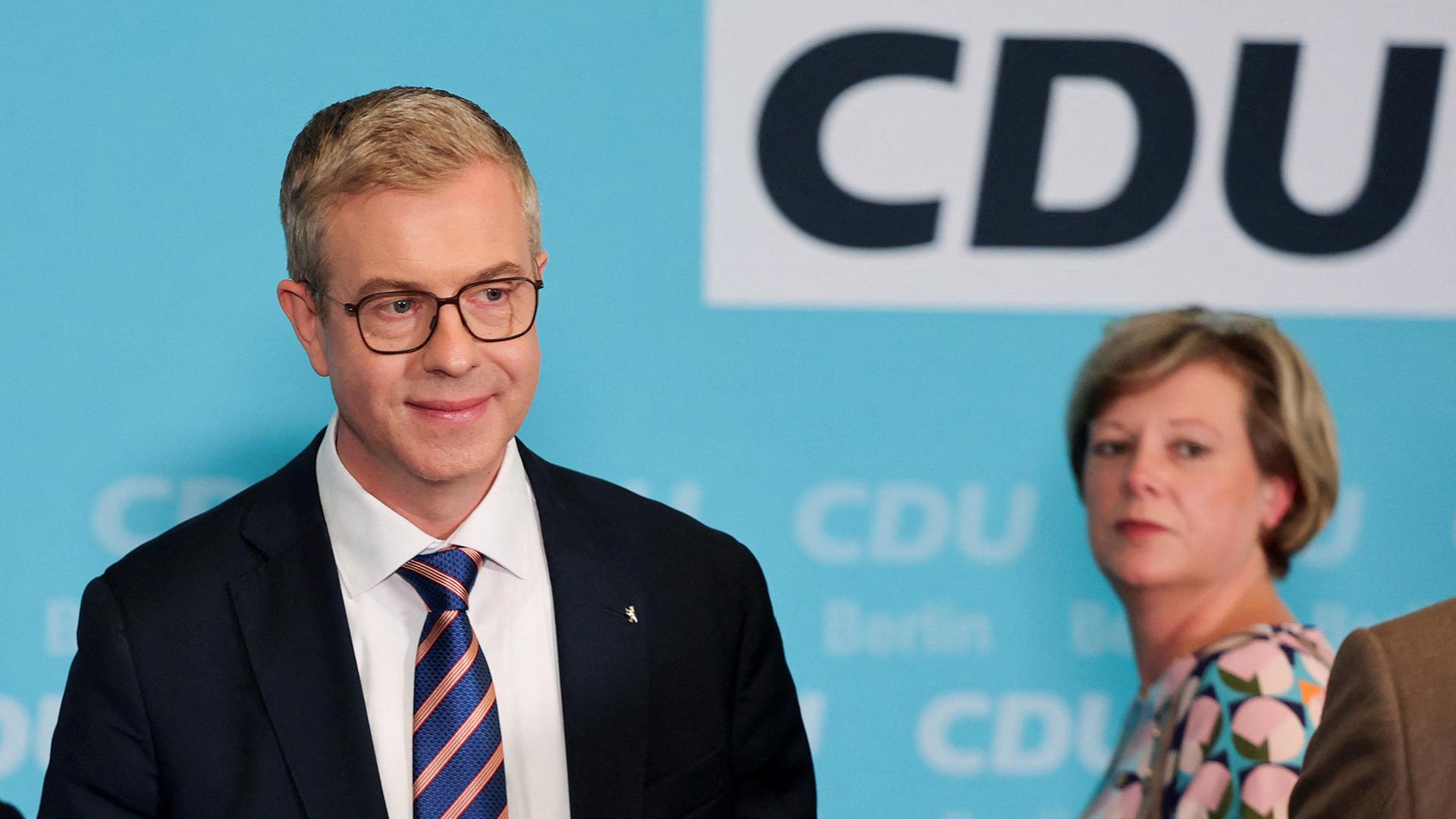
The stage setup at CDU party headquarters is unusual: behind the podium stand German and European flags. The CDU logo is emblazoned on the lectern. Who is speaking here on this election night: the Chancellor or the party leader? Or is that precisely the message?
Friedrich Merz steps up to the microphone at 6:14 p.m. — very early in the evening. So early that the goal seems above all to be one thing: to end the speculation. One theory had been that Merz might relinquish the party chairmanship while remaining Chancellor. Merz speaks at length about the necessary reforms that require "backbone, resolve and patience," before adding the decisive sentence: "I will summon that, as party leader of the CDU and above all as Federal Chancellor of our country."
The very fact that Merz issues his own statement on an evening of state elections shows how intense the internal pressure is. Merz now wants to ensure that as little speculation as possible about his future role circulates in the days following the election. On Monday the CDU federal executive meets, on Tuesday there is a parliamentary group session in the Bundestag — in both settings the mood is expected to be bad to very bad.
Hopes for Better Headlines
Merz's strategy for this crisis: playing for time. No further state elections are now scheduled until April 2027 that could shake the party further. Instead, Merz is hoping for better headlines from the economy, not least because the debt-financed investments from the special fund are beginning to take effect. Merz signaled this in the days before the elections. At the campaign closing rally in Berlin, he spoke at length about how people would soon feel improvements: "In 2026 we will have 1.3 percent growth," he said. Germany was "out of the economic crisis."
The Federal Statistical Office typically produces its estimate for a full year's gross domestic product in mid-January. Merz is therefore hoping that from 2027 onward, positive figures will dominate the headlines — and that he can open every speech by pointing out that the economy has been growing for two years. The problem is simply this: statistics alone do not translate into people feeling concrete relief in their daily lives. Petrol prices remain high, and health insurance contributions will not fall.
The "Announcement Chancellor" with New Announcements
And in all likelihood, the coalition in Berlin will hardly argue any less. Merz wants to shed the image of the "announcement Chancellor," a label applied to him even by his own people during the election campaign. But he is going about it in the time-honored way: with announcements. For the coming days, it appears the revolt within the CDU has been called off. Yet further tests of endurance await both the party and the black-red coalition.
What Impact Will the Schwesig Factor Have?
One such test could be fueled by Mecklenburg-Vorpommern: Minister-President Manuela Schwesig, running a campaign directed against Berlin's pension policy, has mounted a remarkable comeback and has in all likelihood kept the state chancellery in SPD hands. Her positions are growing louder within the Social Democrats — as is criticism more broadly of party leaders Lars Klingbeil and Bärbel Bas.
Vice Chancellor Klingbeil has no prepared talking points on election night when asked how much the Schwesig factor now counts in Berlin: "I'm glad she's on our side," he says laconically in an ARD interview. One must "take the criticism seriously." On partial early retirement and the pension after 45 years of contributions, "solutions must be found," he says.
The lights burn long into election night at CDU party headquarters. The presidium at Konrad-Adenauer-Haus continued its meeting after Merz had left the podium. This too makes clear: the chancellor's "carry on as before" is far from the last word.