The Left on the Verge of Government Responsibility: Are the Pledges Against Antisemitism Enough?
The Left Party could provide Berlin's Governing Mayor — but there is sharp criticism of antisemitic tendencies in parts of the party. The party leadership is making pledges — but is that enough?
Berlin's election winner, the Left's Elif Eralp, makes one thing clear: antisemitism has no chance with her. "I stand for the protection of Jewish life — just as I stand for the protection of every life, and I make a pledge of protection that people in our city must be able to feel safe again," she said following her electoral success.
And yet the project of a left-wing Governing Mayor could founder precisely because of the party's own grassroots. Or more precisely: because of a small but vocal section, very active on social media, that repeatedly takes antisemitic positions.
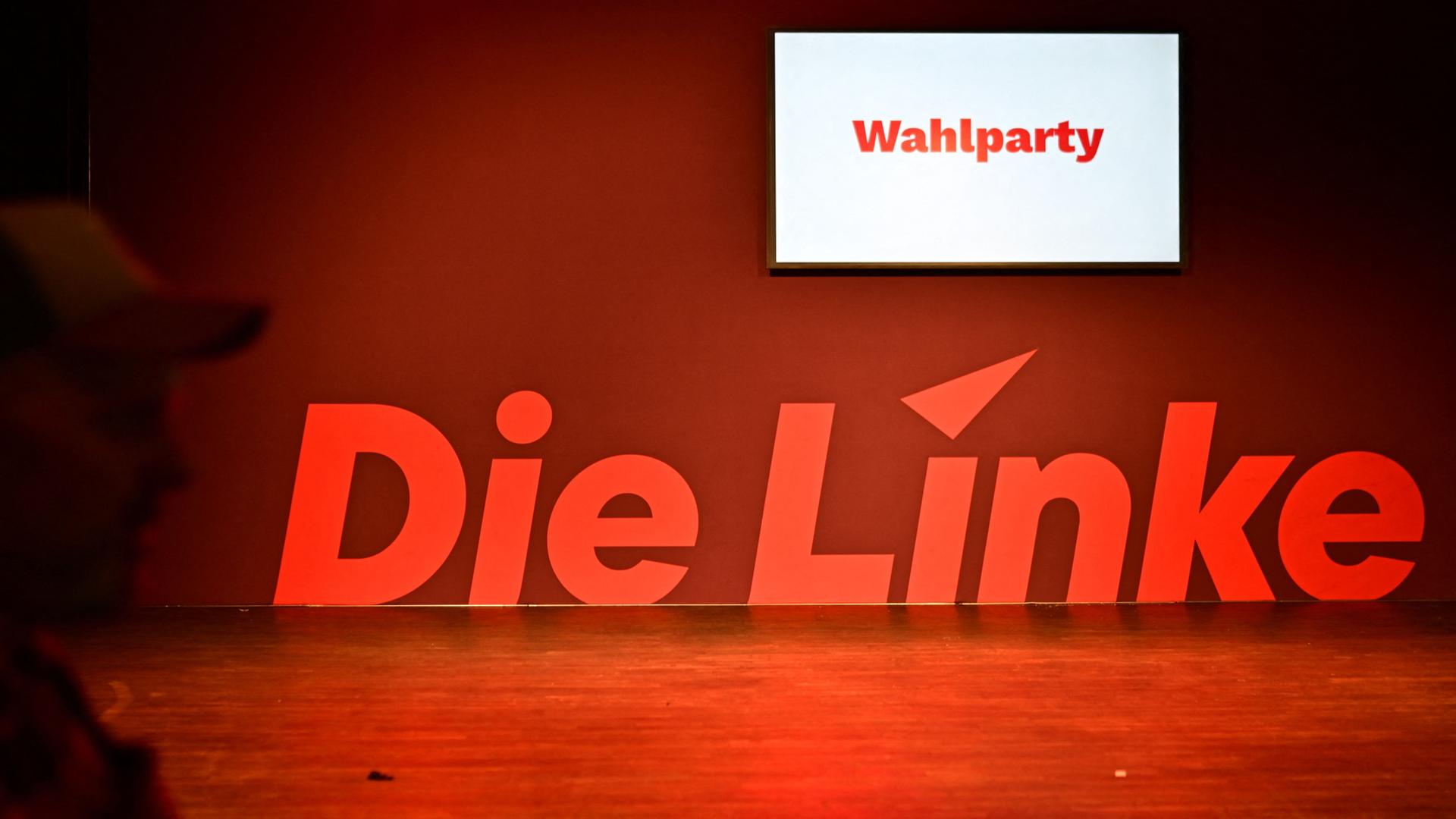
Over the weekend, a Left Party politician shared a call for a "voting intifada." At the Left Party's election night party in Neukölln, Member of Parliament Ferat Koçak was photographed alongside Ibrahim Ibrahim, known for his anti-Israel views and head of a pro-Palestinian organization classified as a terrorist organization by the EU and the United States.
The day after the election, the federal chairwoman of the Left Party, Ines Schwerdtner, had to address this: "Ferat Koçak immediately distanced himself, not only from Ibrahim Ibrahim, but from all calls and statements that glorify violence. And we as a party take this very seriously — Elif Eralp does so especially."
Recurring Debates Within the Left Party
Antisemitism is a red line that must not be crossed, despite permitted criticism of Israel and its conduct of the war. This is something the party leadership in Berlin and at the federal level repeatedly emphasizes, and it was also resolved at the Left Party's last party conference in Potsdam.
The internal party dispute is not new: in October 2024, five prominent Berlin party members left the Left Party, including former state leader and Senator for Culture Klaus Lederer and former Senator for Social Affairs Elke Breitenbach. The dispute centered on naming and combating left-wing antisemitism. Irreconcilable positions had entrenched themselves within the Berlin Left Party, making a rational resolution impossible.
"Ensuring Red Lines Are Upheld"
Today the Left Party is once again engaged in debate, with pledges from the party leadership not to tolerate antisemitism. But these abstract declarations are not enough, says Tom Uhlig, visiting professor for democracy promotion at Hochschule RheinMain, who has been studying antisemitism for years. "Of course one can criticize the Israeli government, but one should pay attention when a threshold into antisemitism is crossed. This happens regularly, and relatively little follows from it," he explains. It is good to draw red lines, but then also to "ensure that those red lines are actually upheld."
So: The Left party leadership should switch from abstract admonishments to concrete action: "That one actually names what one is specifically against," says Uhlig. That it is not enough to say one rejects the questioning of Israel's right to exist. "But rather names exactly where the line has been crossed." For example, when Israel is compared to National Socialism or when Israel is demonized. "To actually spell that out," says Uhlig. It is not that difficult to draw a line against these people, but at the same time one would also lose their milieu and scenes.
Does a possible coalition with the SPD and Greens fail?
The supposedly pro-Palestinian scene has, according to Uhlig, great mobilization potential, from which the Left party also benefits. "But that is not the only party in which these problems arise. There is the so-called Berlin Monitor from 2025, where an attempt was made to examine antisemitic attitudes in Berlin." The result was: the further right one goes, the more antisemitic it becomes.
After the Berlin election, however, the Left is under particular scrutiny. The potential coalition partners SPD and Bündnis 90/Die Grünen are demanding: Resolve your antisemitism problem. Otherwise Red-Red-Green could fail. For if the Berlin Left moves into the Red City Hall, the following words spoken by Gregor Gysi on election night apply to the party: "You suddenly have a responsibility for the whole city, for all Berliners and all guests of the city."