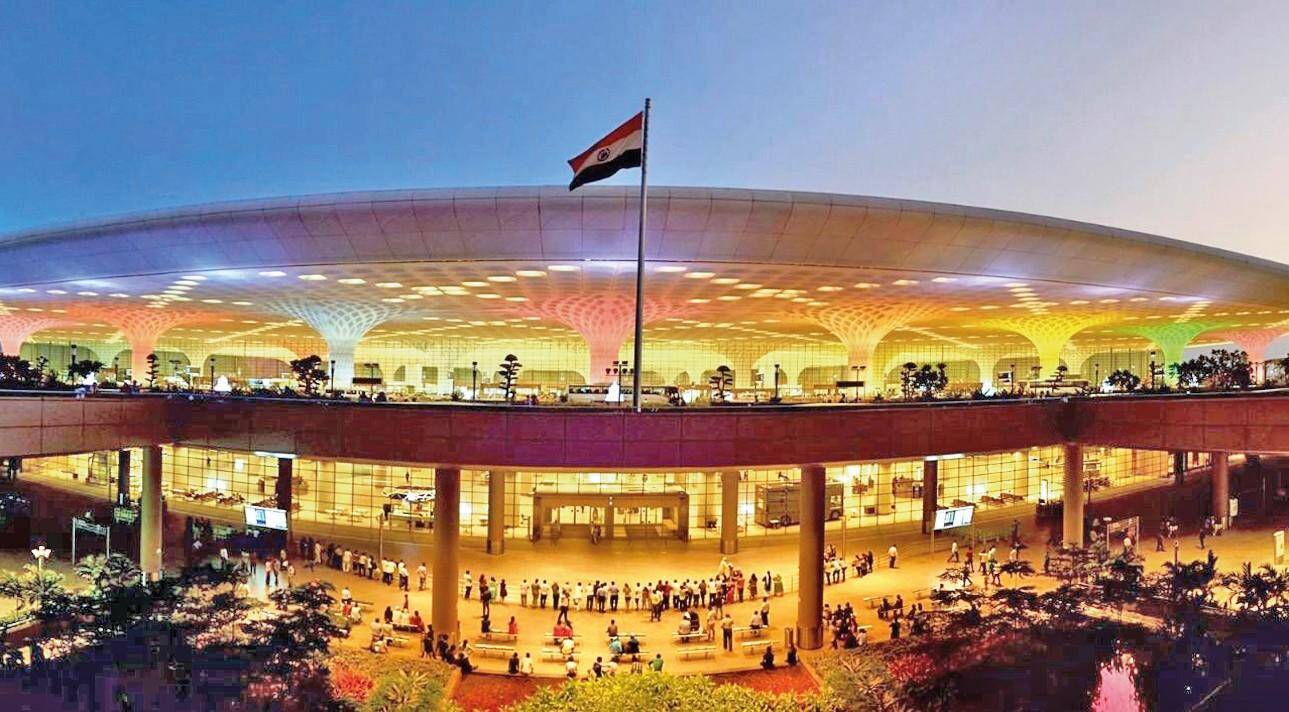
Mumbai: Airlines affected by the proposed reduction in international slots at Mumbai Terminal 2 can invoke the principles laid down in the ministry of civil aviation’s Slot Allocation Guidelines, the Worldwide Airport Slot Guidelines (WASG) and best-practice airport planning guidelines, the International Air Transport Association (IATA) said on Wednesday. These require a transparent assessment of demand and capacity, meaningful consultation with affected airlines and adequate time to work out transition arrangements that minimise disruption to airlines and passengers.
On Tuesday, the civil aviation ministry asked Mumbai International Airport Ltd (MIAL) to defer its proposed transition plan to shift 265 of Mumbai airport T2’s 770 weekly international departures to Navi Mumbai International Airport (NMIA). The airport said the international flights were being moved to accommodate the 5 million domestic passengers who would be displaced following the partial demolition of T1 planned in mid-Jan next year. The ministry asked MIAL to re-engage with airlines before coming back with a revised plan for redevelopment of T1.
IATA corporate communications head, Albert Tjoeng, said IATA supports the redevelopment of T1 as well as the development of NMIA, but the concern is with the manner in which the transition is planned.
“Any significant reduction in airport capacity or other measure impacting airline operations should be based on a transparent demand-capacity assessment, meaningful consultation with affected airlines, and sufficient time to develop workable transition arrangements that minimize disruption to airlines and their passengers,” Tjoeng said. IATA gave airlines three clear points on which to engage MIAL: establish the actual demand-capacity requirement at Mumbai airport, understand the basis for any proposed reduction in capacity, and examine whether alternatives can reduce the impact on airline operations.
“The discussion now provides an opportunity for stakeholders using the airport to review the underlying capacity requirements, understand the basis of any proposed capacity reduction, examine alternatives that may mitigate such reductions, and work collaboratively on a transition plan that protects passenger interests, airline operations and the international connectivity of the Mumbai Metropolitan Region,” IATA said. The association also stressed that the revised transition plan should not be a unilateral decision by the airport operator but should emerge from consultation between MIAL and the airlines. “The key thing is to reach an agreement on the revised approach among all parties, MIAL and airlines operating at Mumbai airport, through consultation,” Tjoeng said.