Common European Asylum System: Italy Demands Compensation for Asylum Seekers
The new EU asylum system is supposed to relieve the burden on countries like Italy. But now thousands of returns from other countries are looming. At the same time, it remains unclear whether the new border procedures at the external borders will work.
Switzerland, Austria, the Netherlands, Finland, Sweden — all these countries want to send asylum seekers back to Italy. Under Europe's Dublin rules, Italy is responsible for processing their cases because they first entered the EU there.
For years, this mechanism was suspended in order to ease the burden on Italy as one of the EU's main entry points. With the introduction of the Common European Asylum System (CEAS) on 12 June, the Dublin procedure was reactivated. According to the Italian newspaper La Repubblica, Italy must expect 10,000 people to be returned by other European states. Germany was the first country to announce it would resume returns.
Italy Could Be Disadvantaged by the Asylum System
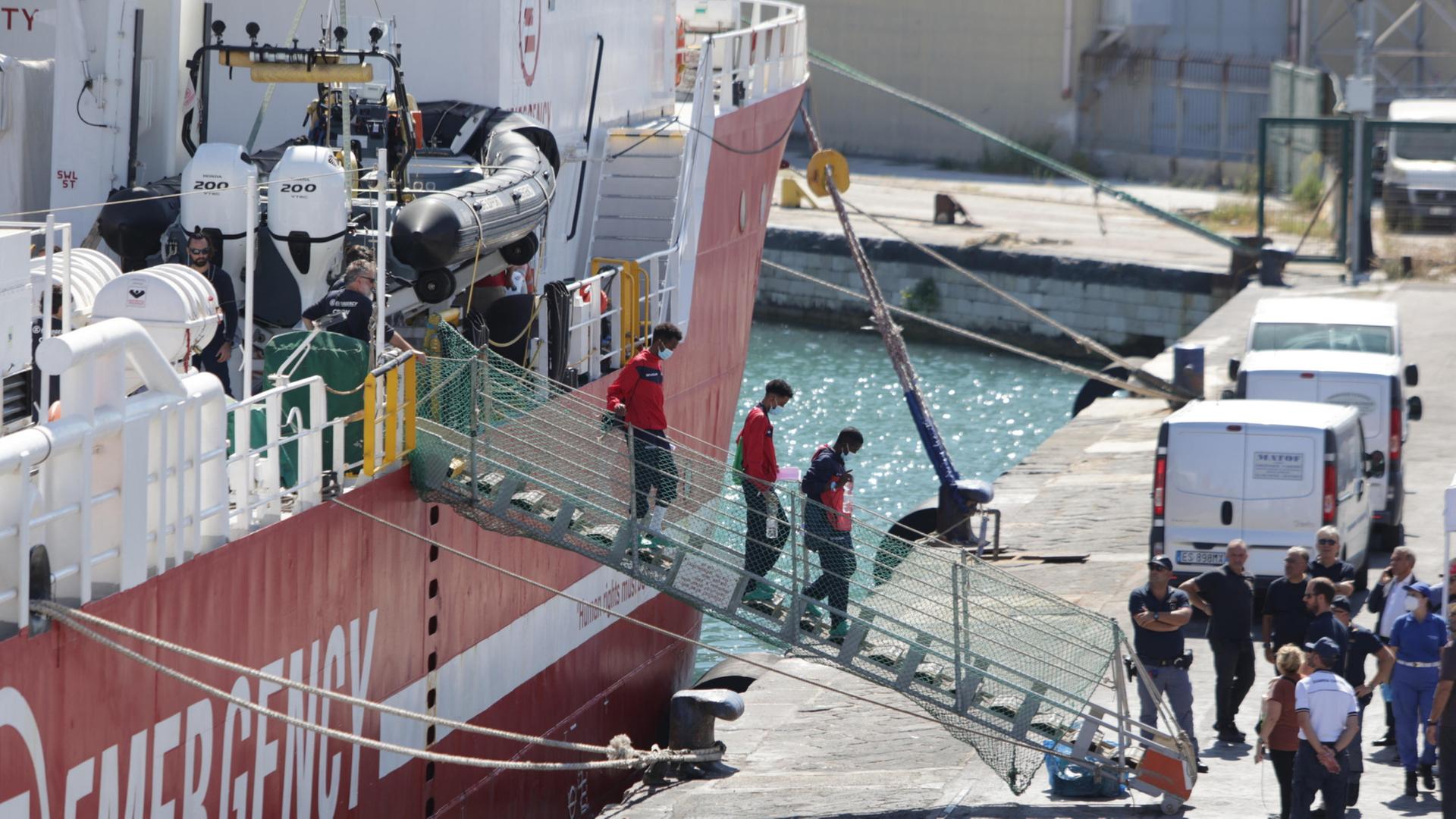
Italy is refusing to accept the returnees and is demanding compensation for the boat refugees brought to Italy by German NGOs. However, CEAS makes no provision for such compensation. Italy and Germany are now trying to reach an amicable agreement; a meeting between German Interior Minister Alexander Dobrindt and his Italian counterpart Matteo Piantedosi could take place in the coming days.
Contrary to what Italy's head of government Meloni claims, Italy could actually be disadvantaged by the new Common Asylum System. Not only because the Dublin rules are being applied again — it is also entirely unclear whether the accelerated asylum procedures directly at the EU's external borders will work at all.
Preconditions for Accelerated Asylum Procedures Not Implemented
These procedures are meant to relieve countries like Italy and Greece, are supposed to last a maximum of 12 weeks, and are primarily intended to cover cases where a quick rejection is likely — particularly people from so-called safe countries of origin.
However, the procedure only works with countries with which bilateral return agreements exist. These do not yet exist. As a result, opposition politicians in Italy are already speaking of a boomerang effect for the government.
Meloni had "done a favour to those countries" that are unwilling to "share the responsibility for receiving the people who come to Europe through Italy," said Elly Schlein, leader of the Italian Social Democrats.