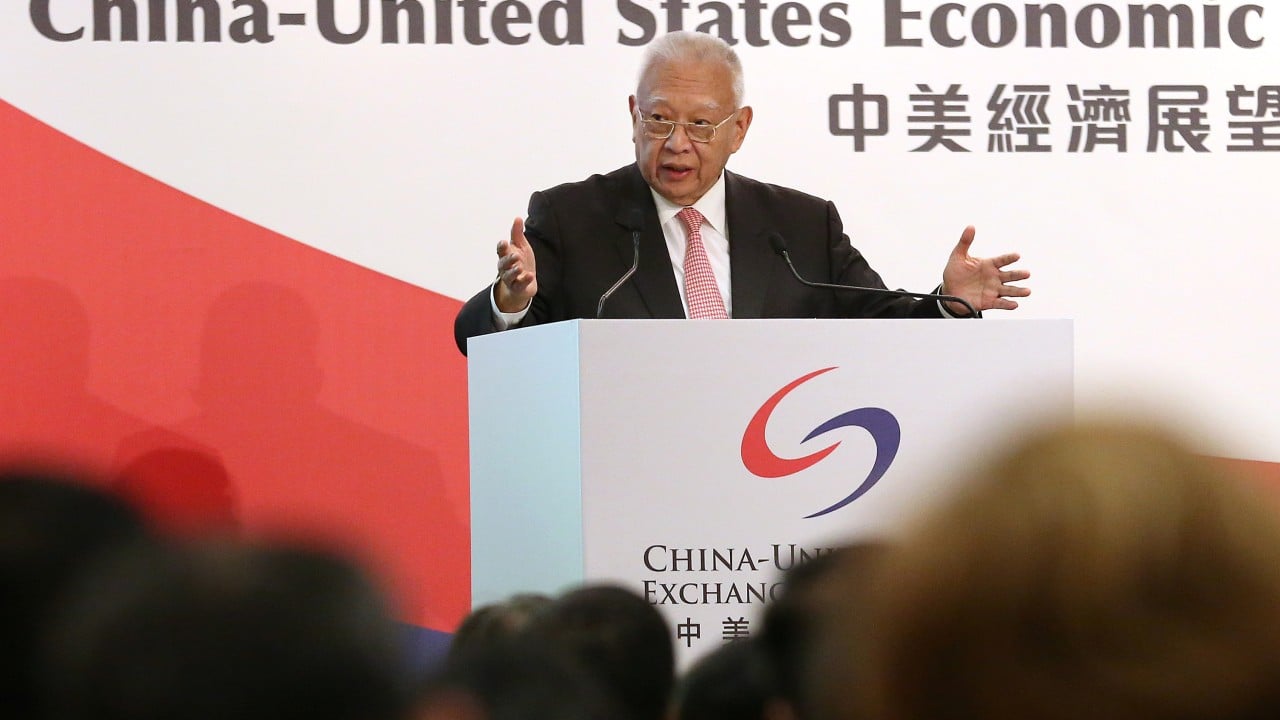
When Tung Chee-hwa died, the obituaries predictably described a Hong Kong shipping mogul who became the city’s first postcolonial chief executive. How his government navigated the Asian financial crisis and severe acute respiratory syndrome (Sars) epidemic and its retreat from Article 23 were highlighted. There was less attention paid to the political hybrid he embodied.
Tung sat as vice-chairman of China’s top political advisory body, the Chinese People’s Political Consultative Conference, until 2023 – state-leader rank, no diplomatic portfolio. His working instrument was the
China-United States Exchange Foundation, which he established in Hong Kong in 2008, the year marking the 30th anniversary of Sino-US relations, to keep senior Americans and Chinese talking when their governments would not.
Standing without a mandate, exercised through a private vehicle: that is Track 1.5, and Tung was
very good at it.
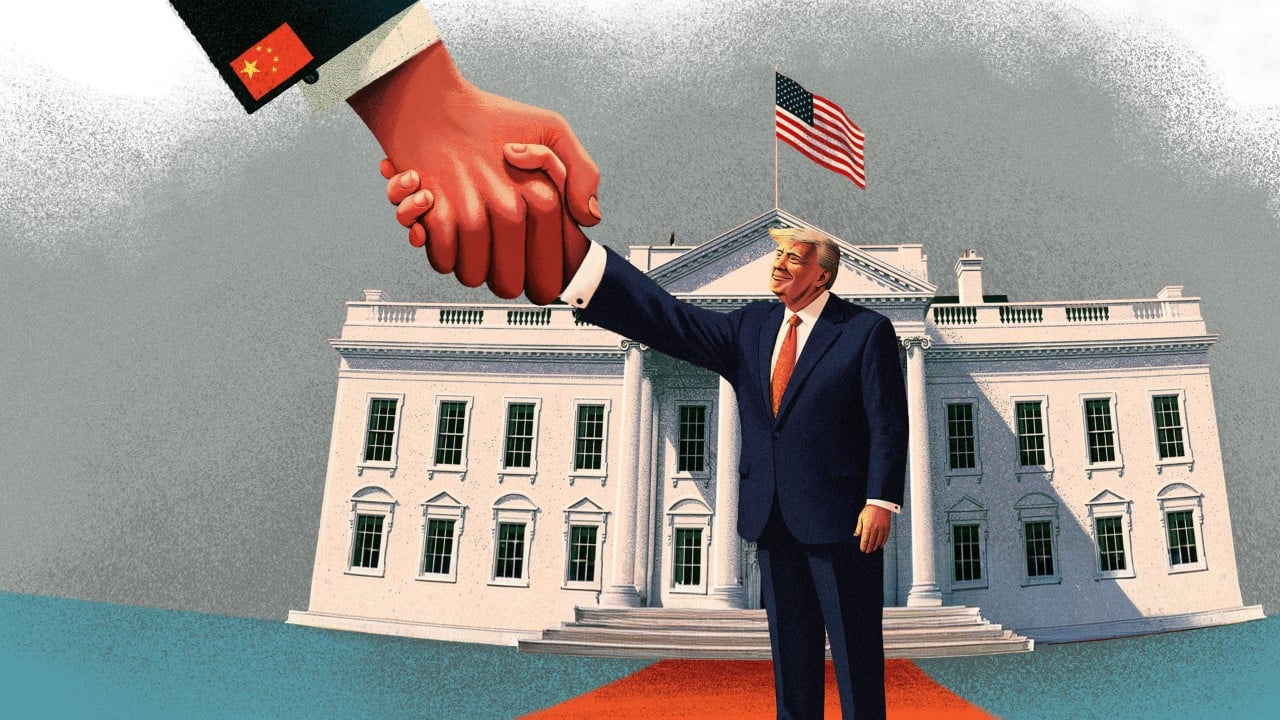
At the recent China-US Track 1.5 Dialogue in Beijing, Liu Haixing, head of the Communist Party’s International Department,
said both countries should expand the “pie” of shared interests and reject zero-sum games to reach “normal stability with controllable disagreements”. This is not the stuff of summit headlines but of realistic ambition: neither a friendship nor a divorce, but a managed rivalry where shared interests can grow and the rest is fenced off.