Dispute with the USA – What Is Known About the Possible Greenland Agreement?
A settlement appears to be taking shape in the dispute over US claims to Greenland – in the form of a joint agreement between the USA, Denmark and Greenland. Here is what is known about it – and why the dispute over the island has been so explosive.
Greenland should become part of the United States – US President Donald Trump had repeatedly pushed for this plan since the end of 2024, with increasingly sharp rhetoric, despite fierce opposition from Greenland, Denmark and the EU.
But now a joint agreement between the USA and the Danish and Greenlandic governments could draw a line under the dispute. Here is an overview of the points of the agreement known so far, along with a look back at the conflict, which had also become a strain on NATO and on relations between the EU and the USA.
What does the possible agreement contain?
Relatively little is known so far about the specific contents of the agreement. Denmark and Greenland in particular have been cautious in their public statements about the shape of a possible deal.
US President Donald Trump, however, already announced on his social media platform Truth Social that the agreement would grant the USA "permanent control over security and all other matters in Greenland." The USA would henceforth be permitted to do whatever is necessary to defend the island. In addition, "enemies" of the USA would no longer be allowed to establish military bases on Greenland without the explicit approval of the US government. According to Trump, "sensitive investments" in Greenland would also require approval from his country. The US president left open exactly what would qualify as such investments.
All of these statements by Trump have so far been confirmed by neither the Danish nor the Greenlandic government. In a joint statement, Danish Prime Minister Mette Frederiksen said in general terms that she was convinced the agreement "strengthens our shared security in the Arctic and the North Atlantic and is therefore also good for NATO and Europe." Danish Foreign Minister Lars Løkke also expressed hope that the agreement could finally bring a long period of uncertainty to an end.
Frederiksen emphasized that the planned agreement would recognize the sovereignty and territorial integrity of the Kingdom of Denmark and the right of the Greenlandic people to self-determination. Greenlandic Prime Minister Jens-Frederik Nielsen also highlighted this point, which both Denmark and Greenland had consistently pressed for throughout the dispute with the USA. "The agreement recognizes Greenland's interests and our place in international cooperation. It benefits us all," he wrote on the social media platform X.
Has the agreement been finalized?
Here too, perspectives differ. According to Trump, the agreement has already been sealed. Denmark, however, indicated that the agreement is not to be signed until the UN General Assembly next week. After that, it would also need to be approved by the Danish parliament – only then could it enter into force.
What was the dispute over Greenland about?
The dispute over the island is not new. Even during his first term as US president, Trump expressed the idea of wanting to buy Greenland. At the end of last year, Trump renewed his territorial claims on Greenland while intensifying the pressure. If necessary, the USA would enforce its claim by military means.
In justifying the US claims, Trump repeatedly cited America's security interests. He asserted that enemies of the USA — primarily Russia and China — wanted to bring Greenland under their control and that Denmark had nothing to counter these ambitions.
What made the dispute so explosive?
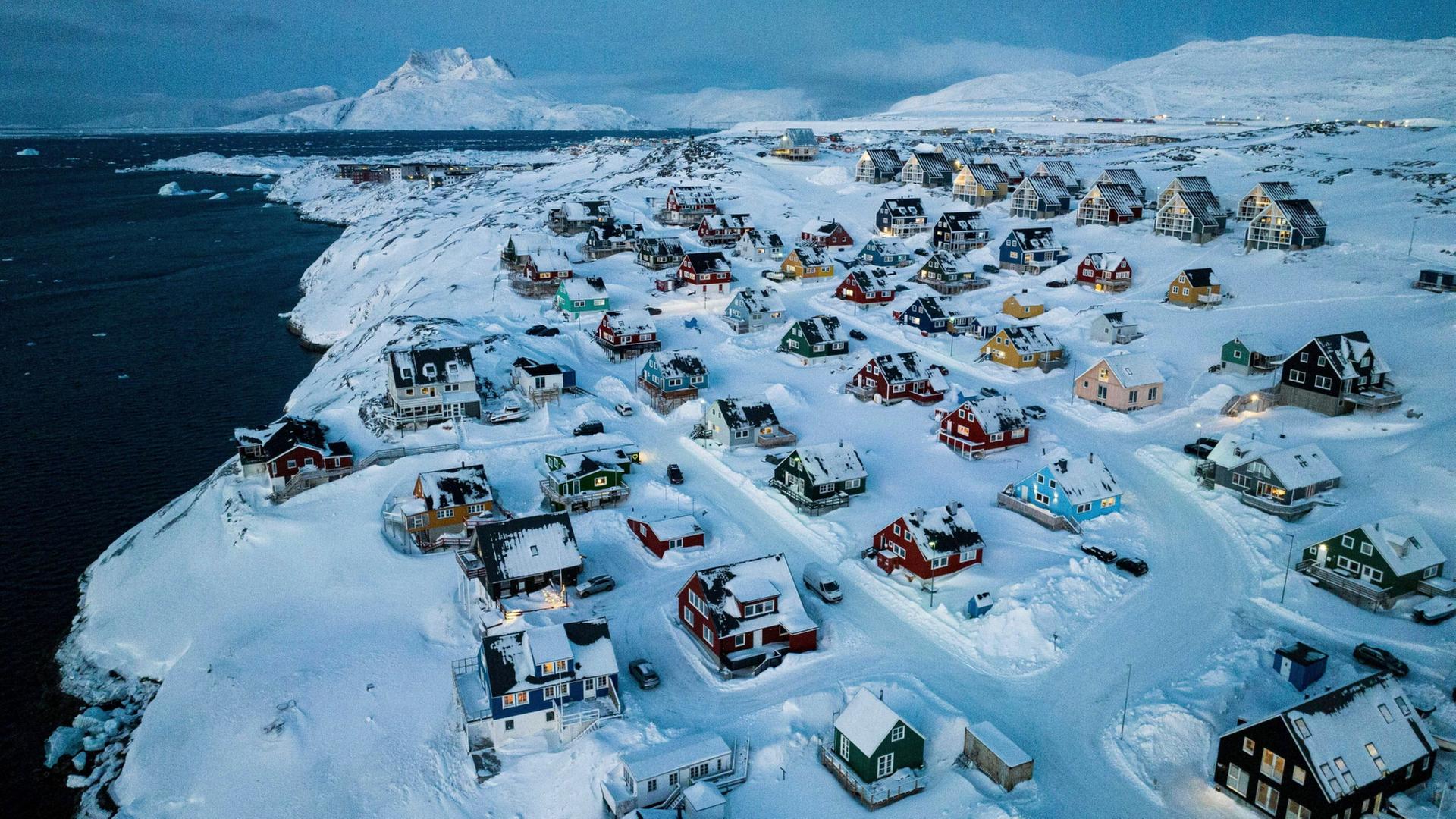
The former Danish colony of Greenland remains part of the Danish Kingdom to this day. However, the island has been largely autonomous for decades. The Greenlandic government makes its own domestic policy decisions, though Denmark retains a degree of influence over foreign and defence policy.
Trump's threats included not only making Greenland US territory — without the consent of the local population — but were also directed against Denmark, which, like the USA, is a member of NATO. The Greenland dispute thus also developed into a test of the transatlantic defence alliance.
How did Greenland, Denmark and other states respond to the US claims?
The Greenlandic population rejects by a clear majority the idea of their island becoming part of the USA. This was made clear by a poll conducted by the opinion research agency Verian, published in January of this year. The result: around 85 percent of respondents opposed membership of the USA. Just under half of the survey participants instead favoured full independence for Greenland, though 45 percent of Greenlanders also expressed concerns that complete independence from Denmark could be accompanied by economic setbacks.
Denmark categorically rejected the US demands, emphasising the island's autonomy and that Greenland was under no circumstances for sale. A view that the EU also endorsed. Several EU states, including Germany, criticised Trump's claims on Greenland. Trump subsequently threatened all those EU states that opposed his plans with punitive tariffs.
What does the agreement now mean for Greenland?
This remains entirely unclear — not least because no official details of the agreement have yet been made public.
During the dispute, Trump had repeatedly indicated his intention to strengthen the US military presence on the island. The US military currently maintains one military base on Greenland: the Pituffik Space Base in the northwest of the island, which is important for missile defence and radar surveillance and is intended to secure US superiority in space. Trump spoke on several occasions about the idea of building a missile defence system called "Golden Dome" on the island, which could lie directly in the flight path of possible missiles targeting the USA in the event of an attack by an adversary such as Russia. Whether the possible agreement will actually be accompanied by concrete steps in Greenland, however, remains uncertain.