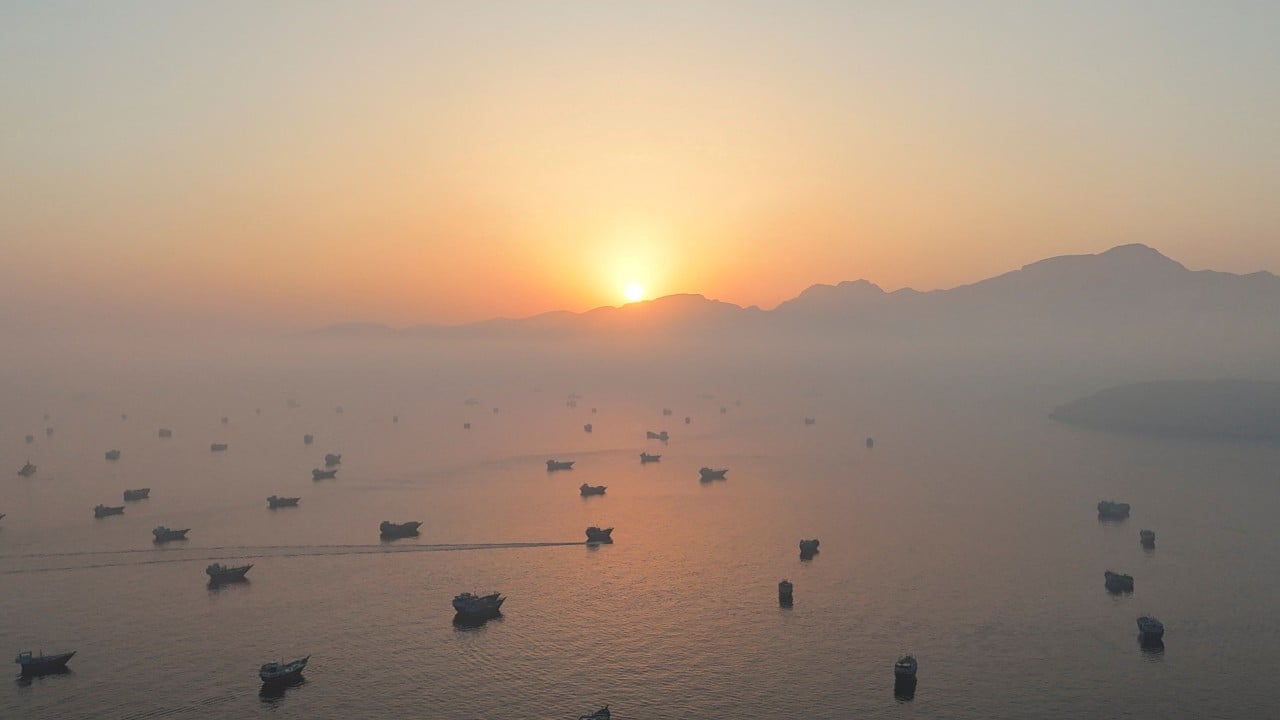
Two summits in five months between US President Donald Trump and President Xi Jinping have produced shared language but not an open
Strait of Hormuz. After the
May meeting in Beijing, there was little sign the two sides agreed on how to end the war.
Xi’s visit to Washington yielded no breakthrough on Iran, though Xi backed a return to the interim US-Iran agreement.
Last week, Trump
rejected a truce proposal from Iran and said he was considering resuming US bombing of Iran after the midterm elections next month. The one line
the US and
Chinese summit readouts shared – that “no country or institution can be allowed to impose tolls on international waterways” – is a principle, not a procedure.
That is the problem in a nutshell. Seven months into the war
that began on February 28, China’s diplomacy has been rich in principles and thin on procedures. Foreign Minister Wang Yi told his Iranian counterpart Seyyed Abbas Araghchi on September 16 that the region’s security architecture was
imperfect and needed reform and strengthening.
That is the right diagnosis. Beijing does not need to replace Washington as the Gulf’s security guarantor. However, it does need to show that its access can produce something more durable than another call for restraint.