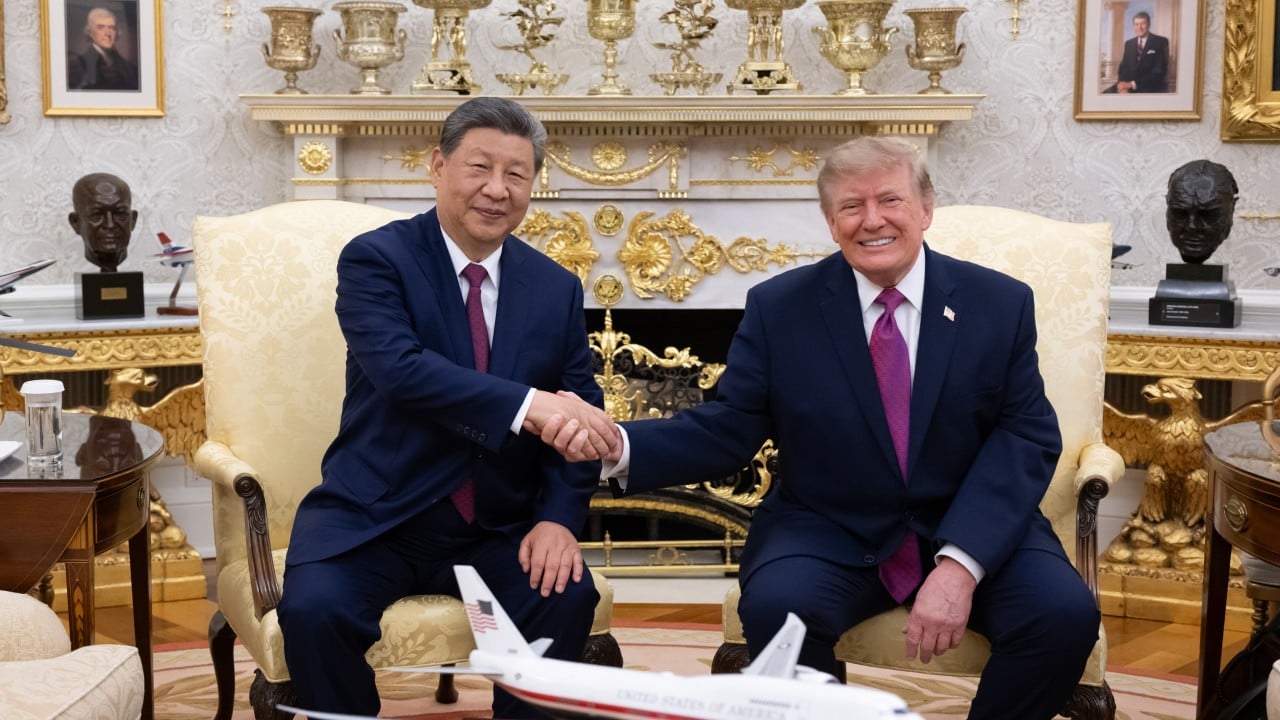
The recent US-China summit yielded a narrow, caution-filled outcome for bilateral trade:
a two-month extension of the Kuala Lumpur trade truce, which now expires on January 10 next year. This reprieve eases fears of immediate tariff escalation and shows that head-of-state diplomacy can still curb spiralling confrontation. Yet the short timeline exposes the wide gulf separating the two sides’ priorities.
China’s position has been unambiguous: removal of all punitive tariffs and restrictive measures imposed since 2018. Beijing has repeatedly stressed that
no one wins in a trade war. Even so, it responded to the extension with goodwill. The Ministry of Commerce said the pause gave both sides time to take stock of implemented consensus and deliver stable, predictable policy conditions for businesses.
Washington offered a different narrative. US Treasury Secretary Scott Bessent portrayed the two months as a compliance review, accusing China of failing to fully meet its commitments. He and other US officials did not celebrate the pause, instead speaking of obstacles remaining before any longer truce could be agreed.