Index Change: Volkswagen Loses Its Place in Europe's Stock Market League
After Friday's market close, Volkswagen shares will no longer be part of Europe's leading index. Nothing changes for the company's day-to-day operations – but the move could still have short-term consequences for the stock.
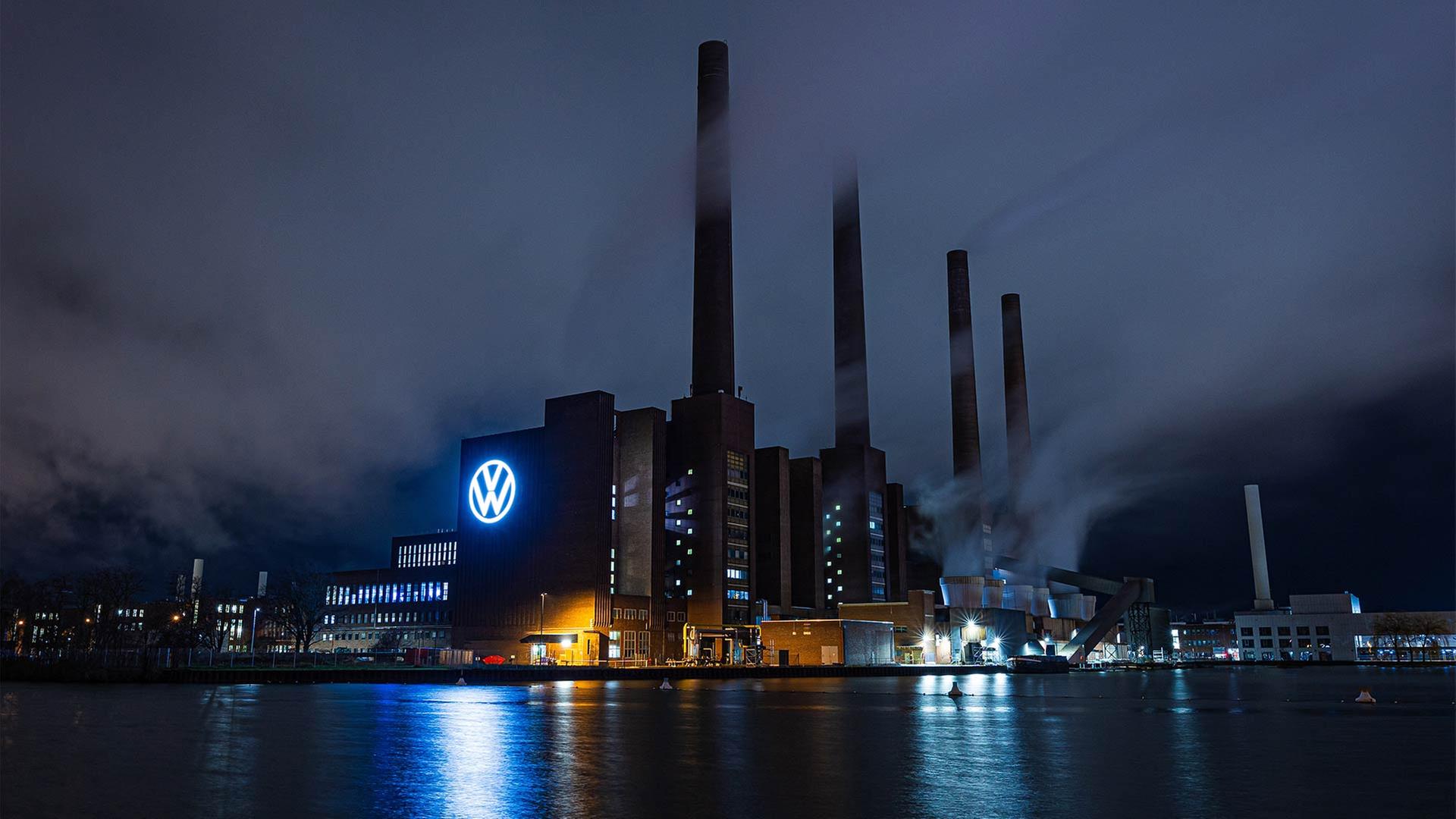
Friday evening marks the end of an era for Volkswagen: after the close of trading, the Wolfsburg-based automaker's preferred shares will be removed from the Euro Stoxx 50 index. From Monday onwards, VW will no longer be among the 50 companies in the eurozone's most important blue-chip index.
The index provider Stoxx had already announced the decision in early September. It takes effect when trading opens on Monday, 21 September. At the same time, French energy group Engie and Finnish network equipment maker Nokia will join the index.
What is the Euro Stoxx 50?
The Euro Stoxx 50 tracks the performance of 50 large listed companies from the eurozone. It belongs to the Stoxx blue-chip family and is considered one of the most important stock market benchmarks for shares from the euro area.
The 50 companies currently come from eleven euro countries: Germany, France, Italy, Spain, the Netherlands, Belgium, Finland, Ireland, Austria, Portugal and Luxembourg.
Why is VW being relegated?
The selection of which companies make it into the index is determined primarily by free-float market capitalisation – that is, how much a company's freely tradable shares are worth on the stock market. The decline in VW's share price has caused Volkswagen to fall in the relevant ranking.
The stock has lost nearly 22 percent since the start of the year, and over a five-year period the loss stands at almost 60 percent. This means the company's market value has fallen significantly compared to other large eurozone companies.
Alongside VW, Dutch information services provider Wolters Kluwer is also being dropped from the index.
What the demotion means for Volkswagen
Little changes for the company itself, at least initially. Volkswagen remains listed on the stock exchange, and its shares can continue to be traded as normal. The group's business operations are also not dependent on whether the stock is included in the Euro Stoxx 50.
However, membership of a major stock index does matter for how a company is perceived in the capital markets. Because the Euro Stoxx 50 is regarded as one of Europe's leading stock market benchmarks, being removed from it can reduce visibility among international investors.
Short-term price impact possible
Funds that track the Euro Stoxx 50 as closely as possible will need to sell their VW positions. In return, they must buy shares in the newly added stocks Engie and Nokia, or adjust their portfolios accordingly.
This can generate additional buy and sell orders around the time of an index change, which may influence the share price in the short term. However, no long-term price implications can be derived from this.
VW wants to return to the index
At Volkswagen, the mood remains optimistic despite the demotion. Index membership does not change the fundamental strength of the company, a company spokesperson said. Volkswagen is convinced that, with its unique portfolio of strong brands and business areas, iconic products and its dividend policy, it remains an attractive investment for shareholders.
With its future plan adopted at the beginning of September, VW aims, among other things, to cut costs, simplify structures and improve profitability. By 2030, the operating return on sales is expected to be between eight and ten percent.
A faster implementation of the measures and a sustainable improvement in financial performance are also expected, in the company's assessment, to strengthen the VW share price once again. The long-term goal is therefore clear: Volkswagen wants to once again be among the companies that meet the requirements for a place in the Euro Stoxx 50. "That is what we are working towards," the spokesperson said.
German automakers in the Euro Stoxx 50
Following VW's relegation, however, shares of other German automakers remain in the index: BMW and Mercedes-Benz. In total, following the current recomposition, 17 German companies are included in the index.
In addition to BMW and Mercedes-Benz, these are Adidas, Allianz, BASF, Bayer, Deutsche Bank, Deutsche Börse, Deutsche Telekom, DHL Group, Infineon Technologies, Münchener Rück, Rheinmetall, SAP, Siemens and Siemens Energy. German companies thus continue to make up a significant portion of the leading European index.
DAX in the red on major expiry day
There was a slight downward movement on the German stock market today. The DAX was marginally in the red at midday. Investors remain cautious in light of the tense situation in the Middle East and uncertainty surrounding oil and gas supplies. Today is also a major expiry day on the futures exchanges, which means price fluctuations could increase further over the course of the day.
According to market participants, investors are also keeping an eye on the state elections in Berlin and Mecklenburg-Vorpommern this weekend.