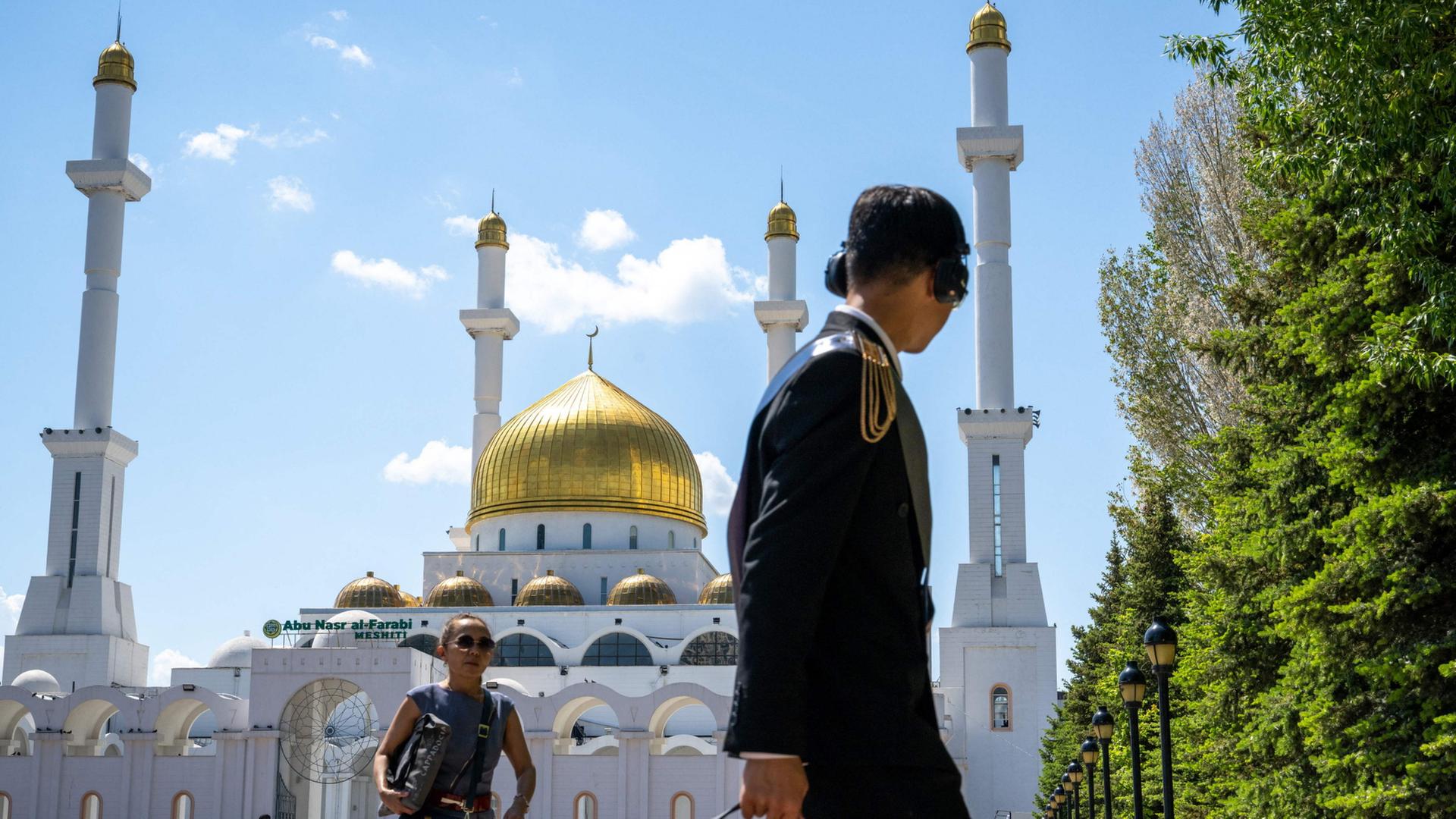
After Constitutional Amendment, Kazakhstan Elects New Parliament
In 2019, Kazakh President Tokayev succeeded long-time ruler Nazarbayev. However, hopes for democratic change have remained unfulfilled. Today, a new parliament is being elected — following sweeping constitutional amendments.
In the Central Asian republic of Kazakhstan, nearly 13 million people are today called upon to elect a new parliament. In March, the oil- and gas-rich country adopted a constitutional amendment merging its two existing parliamentary chambers into a single one. Now, for the first time, the newly created Kurultai, comprising 145 deputies, is being elected in the authoritatively governed former Soviet republic.
Seven parties have been approved to participate in the vote, including the new party Adilet, which is intended to consolidate forces around President Kassym-Jomart Tokayev. Tokayev took office in 2019 following the resignation of his predecessor Nursultan Nazarbayev and had his position legitimised through an election a few months later. In 2022, Kazakhs confirmed Tokayev in office following a constitutional amendment.
Criticism from Human Rights Organizations
Among others, the human rights organization Human Rights Watch had criticized the constitutional reform that preceded the election. It warned that it could lead to restrictions on freedom of expression, association, and assembly. Within the country, criticism from citizens ahead of the referendum was suppressed: people who voiced criticism on social networks were summoned by police or temporarily detained.
Most recently, protests against the government took place in 2022. These were, however, violently suppressed.