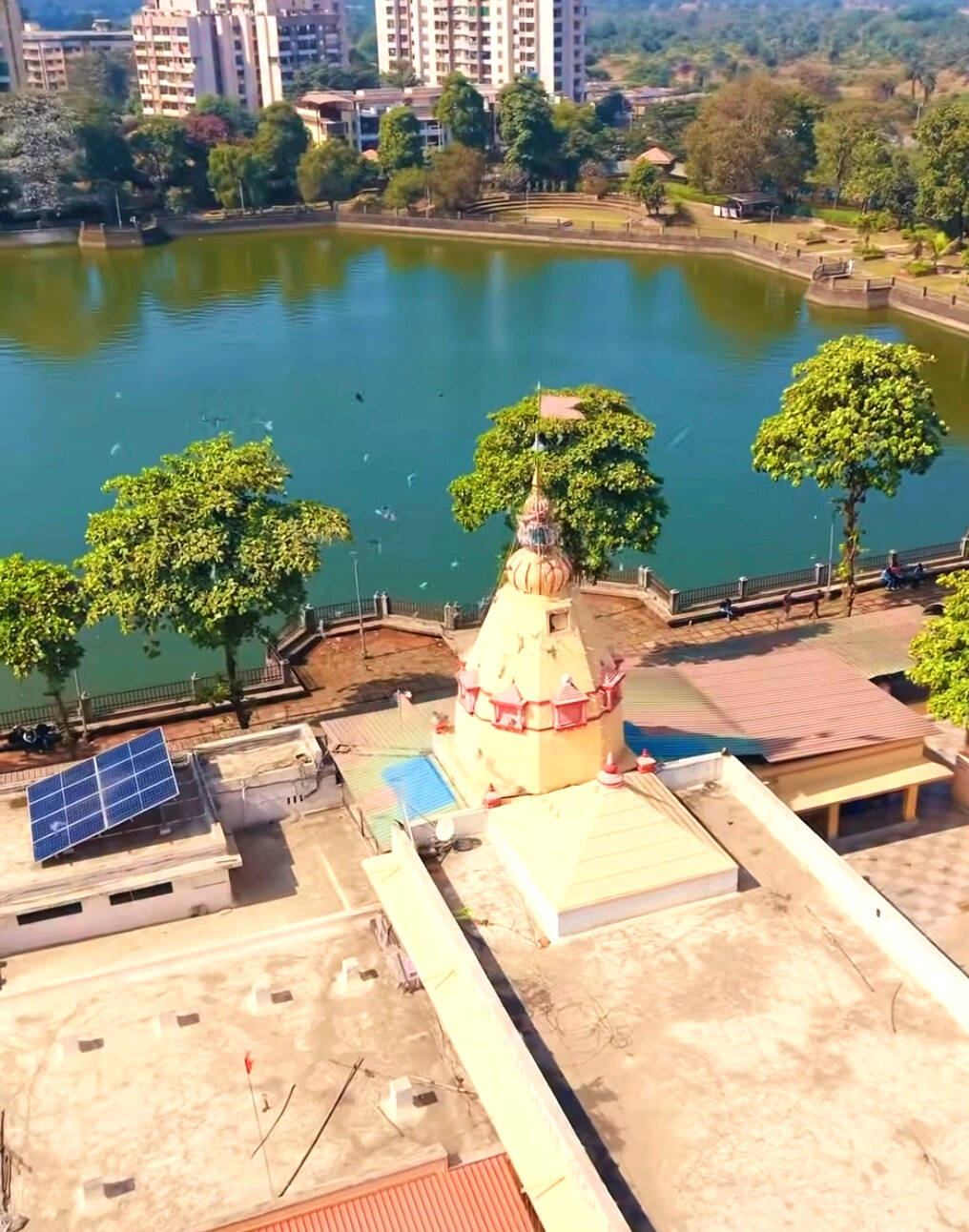
Kalyan: With work on the beautification of the historic Shiva temple in Ambernath underway, a proposal has now been submitted for the development and beautification of another heritage shrine in Thane district — Shree Siddhivinayak Mahaganapati Temple at Titwala.
KDMC mayor Harshali Chaudhari, through Kalyan Lok Sabha MP Shrikant Shinde, placed the proposal before deputy chief minister
Eknath Shinde seeking a special development fund of Rs 80 crore from the tourism department for the comprehensive development of the temple precinct.
The deputy chief minister has responded positively to the proposal and assured that necessary steps would be taken for its early approval.
The plan proposes an integrated beautification and conservation project based on the concepts of “eco-sanctuary” and “spirituality in nature”. It includes multi-level parking facilities to decongest roads around the temple, a G+5 Atithi Bhavan for devotees, and organised shopping arcades to rehabilitate flower and prasad vendors currently operating along roadsides.
The plan also proposes comprehensive rejuvenation of the temple lake, including a barrier-free waterfront promenade, shaded resting areas, aerating fountains and energy-efficient lighting.
Other proposed facilities include a Vedic and Nakshatra herbal garden, open fitness zones, Panchatantra-themed children’s play areas, an Annachatra and multipurpose ceremonial halls.
The Titwala temple attracts thousands of devotees annually, with footfall increasing substantially during Angarki Sankashti Chaturthi and Ganeshotsav. Chaudhari said the proposed development would improve facilities for devotees, address traffic and parking problems and preserve the historical and environmental significance of the temple precinct.
The Titwala temple is steeped in mythology and Maratha history. According to reports, the area was once the ashram of sage Kanva, where Shakuntala was born and raised. She is believed to have worshipped Lord Ganesha here, giving the deity the name Vivahvinayak. The temple also houses idols of Shakuntala and young Bharat. The ancient shrine was later buried in silt. During the 18th century, a drought prompted desilting of a nearby pond, during which Peshwa commander Ramchandra Mehendale discovered the ancient idol. Peshwa Madhavrao I later built a stone temple here.