Rising Production Costs: Heat Takes Its Toll on Italy's Cheese Makers
Tomato and mozzarella is a combination many people associate with summer. But the persistent heat in Italy is causing serious problems for cheese makers. Parmesan could also become more expensive.
Inside the barn at the Jemma dairy, the fans are running at full speed. The approximately 1,000 water buffalo housed there need to stay cool. This is the only way they feel comfortable, explains veterinarian Lazzaro Iemma: "To produce high-quality milk with the right nutritional values, the animals need to feel completely at ease. This has now been proven. Only under ideal conditions can they reach their full potential."
Water sprinklers have also been installed in the barn near Battipaglia in the Campania region. The animals need and enjoy moisture as well. Lazzaro Iemma's family has invested around 200,000 euros in cooling systems over recent years.
They also ensure that the animals can spend as much time as possible outdoors: "There are paddocks with compacted ground where the animals can move freely," says Iemma. "This way, they can also enjoy the sea breeze at certain times of day and night. They seek out the spots where the wind is strongest and the air is freshest." A bathing pool has also been installed for the animals.
A Precious Product
Buffalo milk is precious, as the buffalo milk mozzarella from Campania is particularly protected and particularly flavorful. Battipaglia is considered the capital of this specialty. The Jemma dairy has been operating for five generations. To this day, employees still braid the traditional mozzarella plait.
"At this time of year, during summer, we are at the peak of our production," explains Lazzaro Iemma, "both in terms of milk in the barn and mozzarella. Here in the dairy, we process an average of 4,000 kilos of milk per day."
Higher Production Costs for Parmesan Too
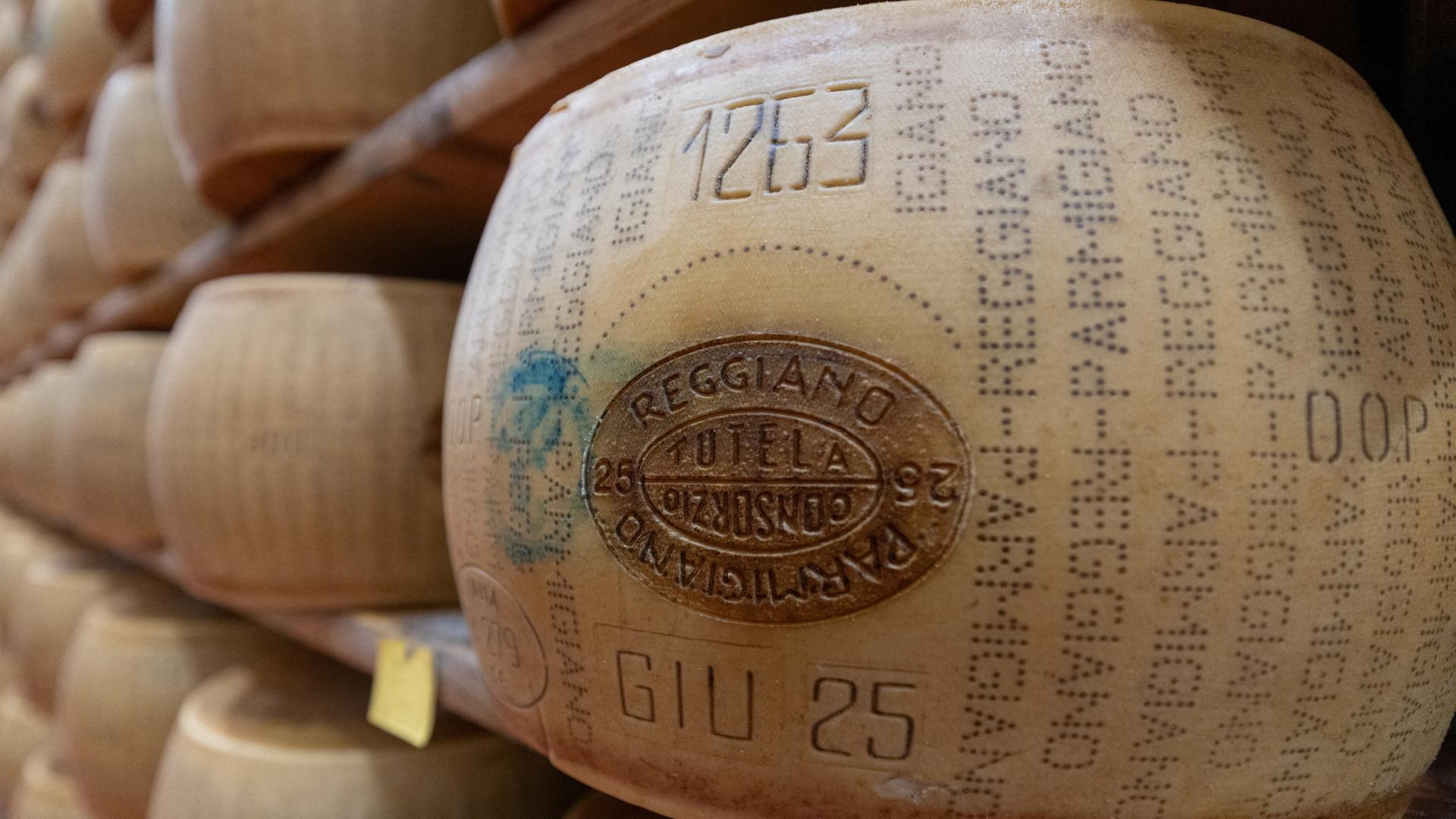
Some 700 kilometers to the north, in the Emilia-Romagna region, cheese makers are also feeling the effects of the heat. Here, cows provide the milk for the famous Parmesan. In summer, they produce around ten percent less milk than in winter.
The problem is compounded by drought: when it doesn't rain, less grass grows. However, the cows may only be fed grass and hay sourced from the region. All of this is curbing Parmesan production. Added to this are high storage costs: the famous hard cheese must mature for a minimum of twelve months in air-conditioned warehouses.
The heat is driving costs upward, says Giancarlo Ravanetti, director of the storage company MGT: "This year, on the hottest days, we saw an increase in daily energy consumption of around 30 percent. At our warehouse in Montecavolo, consumption rose from an average of 8,500 kilowatts to peak values of up to 12,000 kilowatts. The high nighttime temperatures in particular are causing us serious difficulties."
In recent years, the price of Parmesan has already risen significantly. The high temperatures could now push prices up for other famous Italian cheeses as well.