How China and the EU pressed pause on trade war – and what it took to get there
EU officials spoke of a ‘paradigm shift’ in wake of surprise trade deal, saying the ‘nature of the rebalancing exercise has changed’
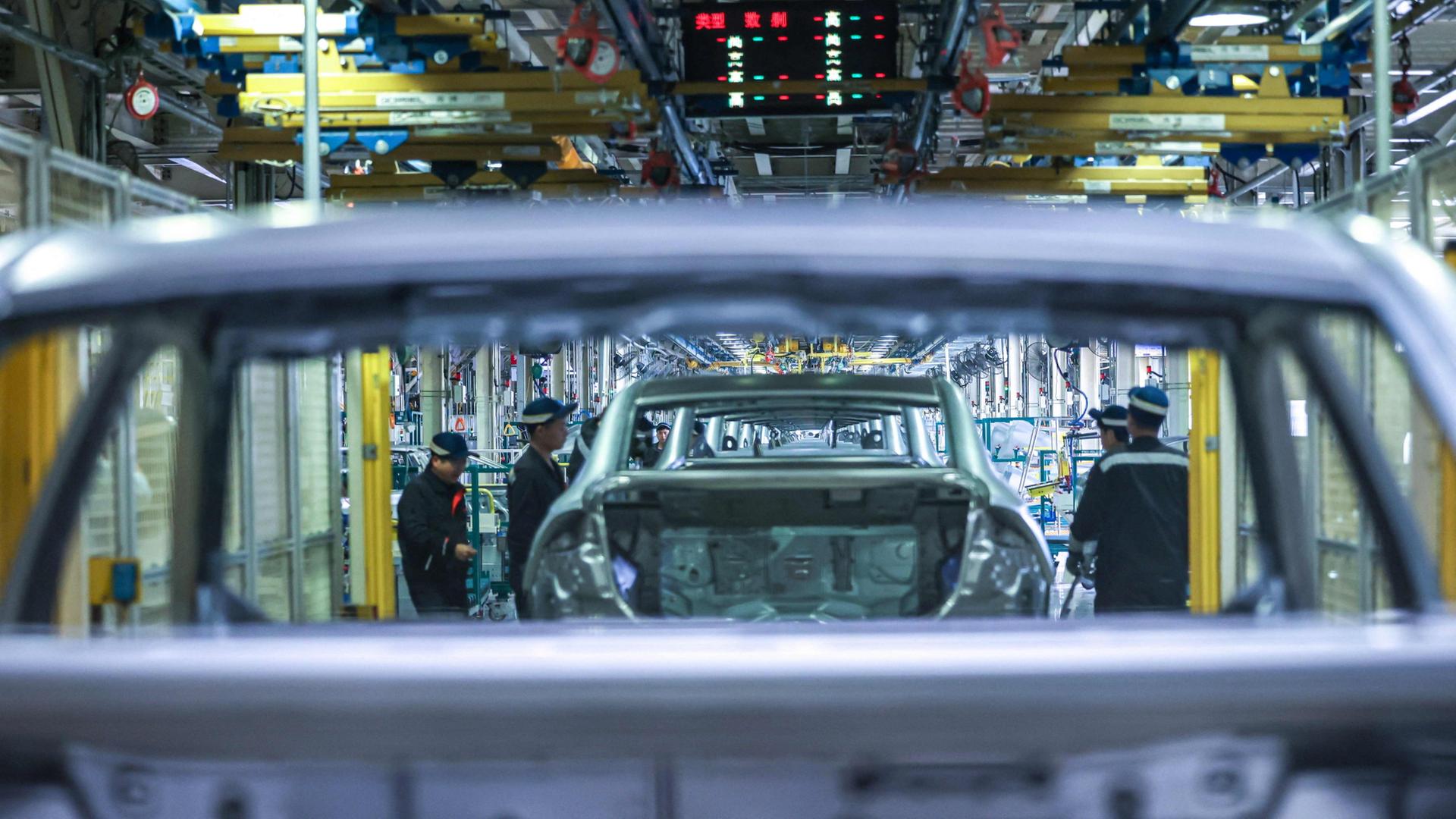
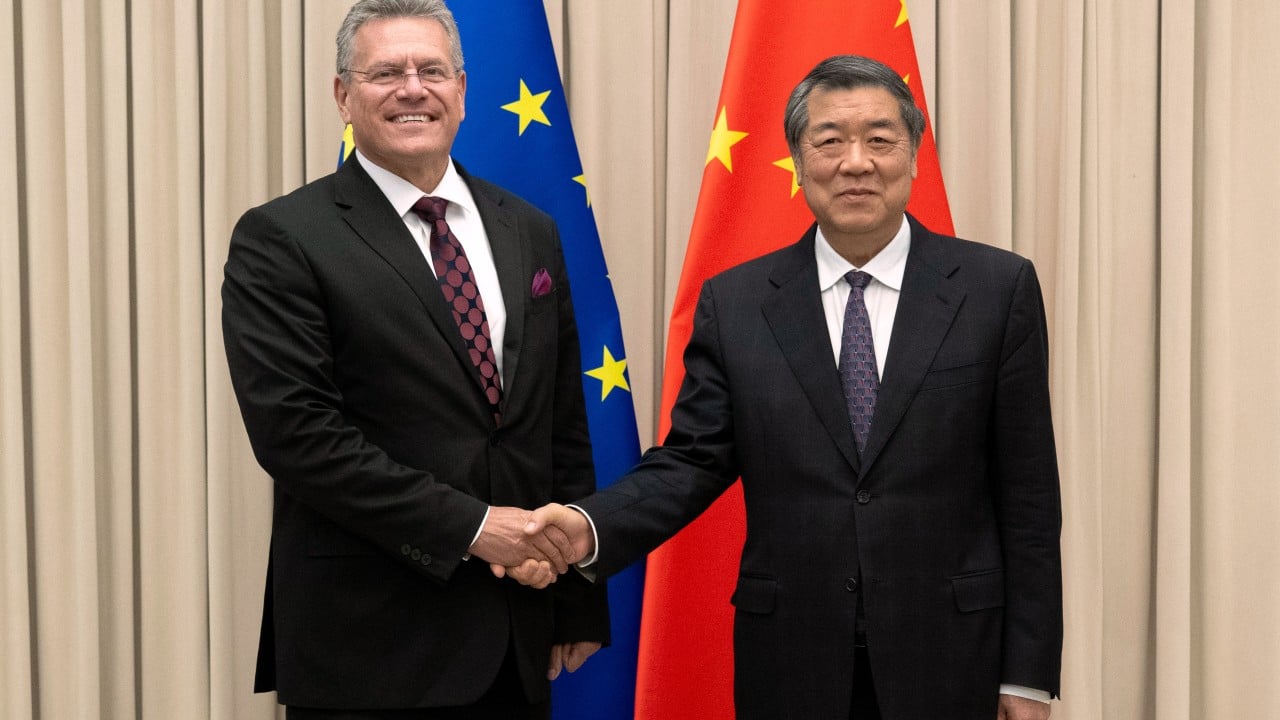
Weeks of high-wire negotiations between China and the EU culminated in a surprise trade deal that will, among other measures, impose strict quotas on Chinese hybrid car exports to the bloc and slash Chinese tariffs on a variety of European goods.
The deal, unveiled on Friday, takes some of the heat out of searing bilateral trade tensions and temporarily averts the prospect of a bruising trade war.
Beijing agreed not to retaliate against Brussels’ move to curb imports of Chinese hybrid cars, which will see shipments capped at 350,000 units per year, rising at 6 per cent annually. This will leave exports at less than half the 800,000 vehicles the EU has projected will be shipped in 2026.
Asked on Monday how Beijing grew to accept the concessions – after Chinese officials spent weeks rejecting the prospect of voluntarily limiting auto shipments – Brussels framed its position with a time-worn business maxim: “The customer is always right.”