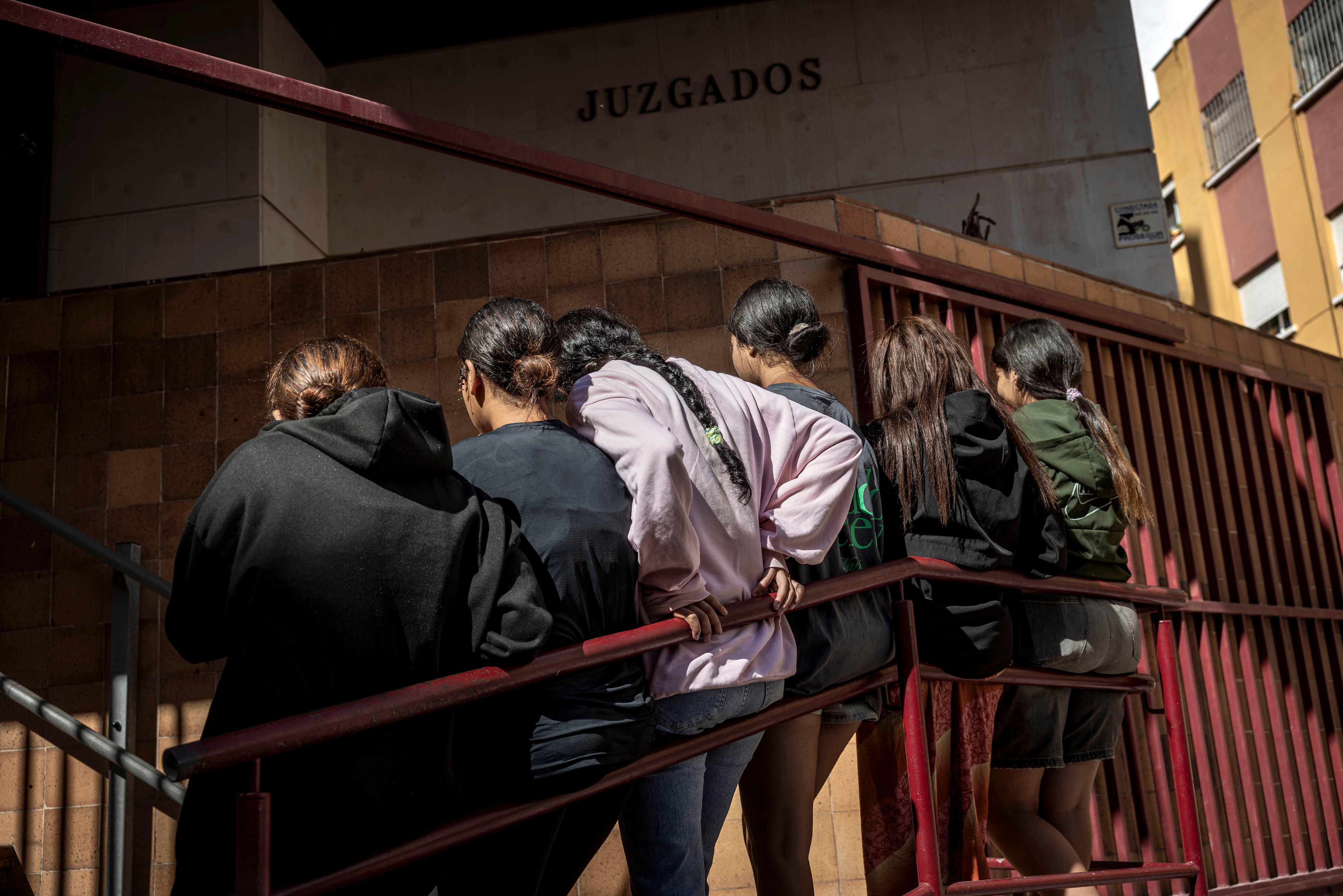
Molly Ticehurst's three closest friends never thought someone their age could be a victim of a domestic violence homicide.
Molly was stabbed to death by ex-partner Daniel Billings in April 2024. Earlier this month Billings was sentenced to 28 years in jail with a non-parole period of 20 years.
"It still feels like we're living in a horror movie. I never had thought that would have been the outcome for her," friend Gaby Shepherd told Australian Story.
Aidan Clarke, who knew Molly from the time they were both babies, said he did not think intimate partner violence was a problem for young people.
"The image is a 45 to 55-year-old male comes home from the pub, the wife asks where they were and they slap them around a bit," Mr Clarke said.
Loading...In fact, rates of intimate partner violence for 16 to 24-year-olds are higher than for those aged 45 and older, according to the Australian Child Mistreatment Study published in 2021.
The study found that 48 per cent of 16 to 24-year-olds surveyed had experienced psychological, physical or sexual abuse at the hands of a partner, compared to 40 per cent of people aged 45 and older.
"These are things you see on TV, on the news. This doesn't happen in our little community. This doesn't happen to my best friend," Ms Shepherd said.
She said she "holds a lot of guilt" for not stepping in when she realised that Molly was in an abusive relationship.
But recognising a friend is at risk of harm, and safely stepping in to help, can be tricky.
Triple j hack has asked two experts for advice on what to do if you think a loved one is in a domestic violence situation. Here's what they told us.
Listen and take them seriously
Pia Birac, the deputy CEO of Domestic Violence NSW, said the first step was simple: listen uncritically to what they're telling you about what's happening in their relationship.
"Start by believing them, listening without judgement, and reassuring them that the abuse is not their fault,"she said.
Karen Bevan from Full Stop Australia said you shouldn't dismiss the severity of the problem if your loved one is young.
"One of the things that's really important is that we take it seriously because young people's relationships are serious, they're important to them at that time," she said.
Ms Bevan said it's important to reassure them that they're not being judged because of what's happening to them.
"[Tell them] nobody thinks the less of you because you're in a relationship that isn't working out and it's OK if you need time," she said.
Come from a place of compassion rather than judgement
Ms Bevan said coming to the conversation with a firm idea of what a person should or shouldn't be doing can backfire.
"Bringing your own view about what's OK and what's not OK can often shut someone down if they're going to seek help," she said.
Instead, Ms Bevan recommended coming to the conversation with a sense of compassion or concern by asking, "how are you feeling? How did this land for you?"
She said checking in or noticing patterns can be a helpful way to start a chat.
For example, "I've noticed that you've stopped coming out with us lately," or "I was disappointed you couldn't make our weekend away".
"As a friend please be careful to notice gently and ask how the person is feeling, to create a safe space for them to share. And if they don't, respect their decision."
Ms Bevan said it was vital that you constantly check in and make sure you're respecting the needs of your friend or loved one. She reflects on the time she lost a friendship because she failed to do that.
"I stepped in and took a bit of control out of my friend's hands and as a result her trust for me was lost," she said.
Ms Birac agreed that giving the person the autonomy to make decisions for themself is crucial.
"It is important to follow their lead, respect their choices and support them to make decisions that feel safe and achievable for their circumstances. They are the experts in their own lives and safety," she said.
Be ready to offer practical support
Ms Bevan said friends should be ready to support a person if they decide to leave, without pushing for it.
"That's the sort of friend where, in the end, that person may well be prepared to take that step towards trust,"she said.
Ms Birac said it's important to remember "you cannot force someone to leave an abusive relationship".
"Offer practical support, such as helping them connect with a specialist service or trusted adult, and seek advice yourself if you're unsure what to do," she said.
You can refer your loved one to a reputable online source of information too.
"Young people are more likely to use digital platforms to find information and connect with support which creates an important opportunity to make clear, accessible information about DV available where young people are already looking for help," Ms Birac said.
Ms Bevan said that people who were unsure of how to help can themselves reach out to support services.
"If you are a little bit worried about someone, maybe a friend, maybe a sister, maybe even your mum, it's okay for you to ring and ask for help too because this is hard stuff,"she said.
And it's important to remember if your friend or loved one is in immediate danger to call Triple Zero without hesitation.