After CDU Election Defeats, Merz "Grateful" That SPD Remains in Coalition
The CDU has suffered a historic defeat. Now Chancellor Merz admits that the federal government bears partial responsibility — and so does he personally. However, he says there is no question of personnel changes. Merz thanked the SPD for holding firm to the coalition.
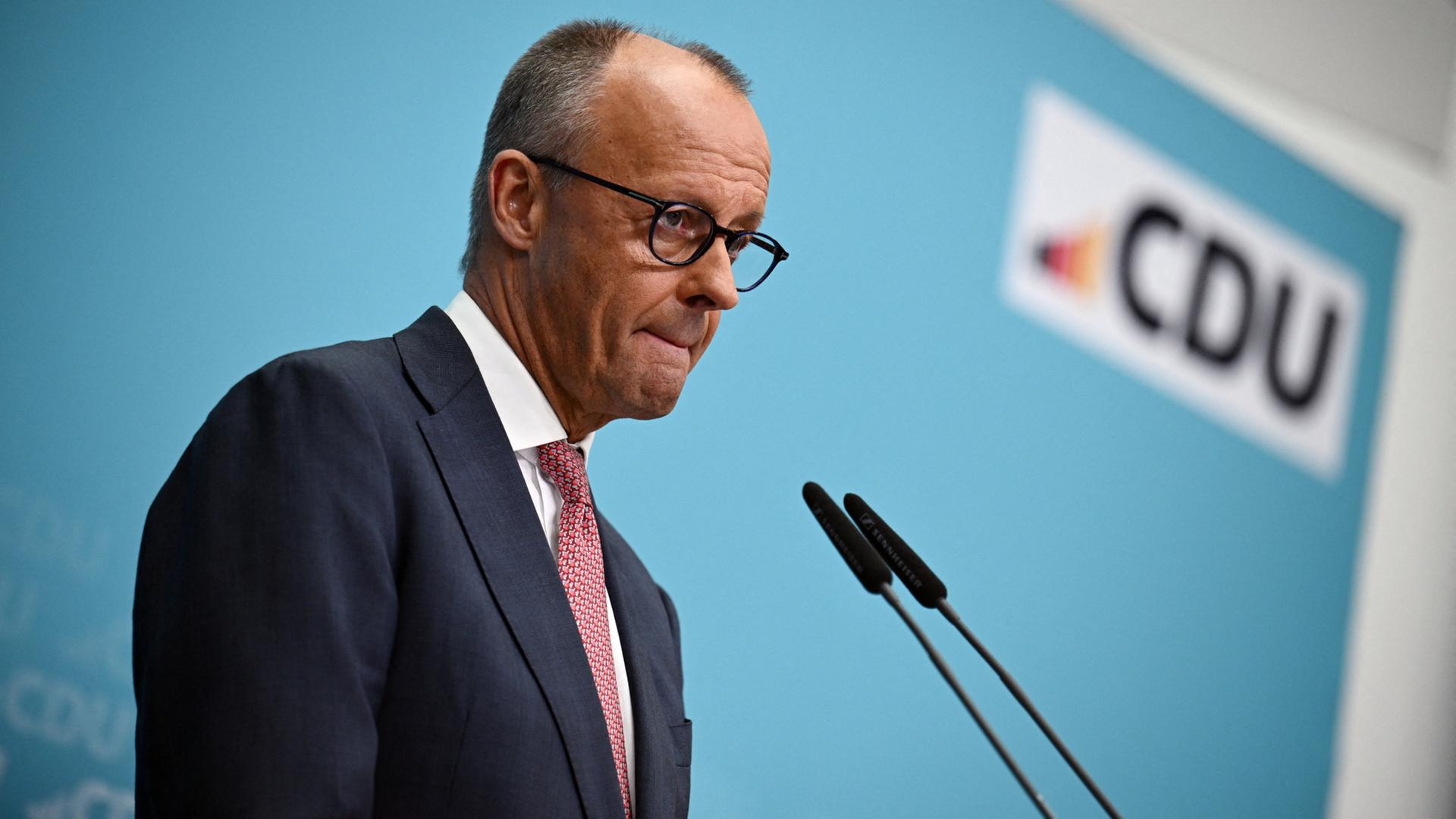
Federal Chancellor and CDU leader Friedrich Merz has acknowledged that the federal government played a role in his party's poor performance in recent state elections. "I know that in these state elections — both two weeks ago in Saxony-Anhalt and in yesterday's state elections — federal politics played a major role, as did my own person."
The election results and their causes "go well beyond my person," Merz added — apparently also in reference to the debate about his personal future as Federal Chancellor. Calls for change at the top are growing louder even within his own ranks. At the press conference, the Federal Chancellor emphasized that neither last night nor this morning had there been "any personnel question from anyone whatsoever."
"I am grateful that we are hearing from the Social Democrats this morning that they wish to remain in the coalition in Berlin — that goes for us as well, and for me personally," the Chancellor said. Together, they were determined "to meet the historic challenges facing our country. This is about nothing less than the democratic future of our nation."
Merz: "No Satisfactory Answers to Too Many Questions"
Germany is experiencing a profound transformation of its political party system, Merz said. For example, in the Berlin House of Representatives election, "more than 40 percent voted for forces that are destructive, that call our parliamentary political system into question, and that seek to win people over with radical and simplistic solutions." Merz appears to be referring to the election results of the Left Party (25.7 percent) and the AfD (16.3 percent).
The country now faces "a very great effort," in which federal and state governments must stand together and pool their strengths, the Chancellor said. They owed the people answers to their concerns and fears. "To put it plainly, we no longer have satisfactory answers to too many questions, and we will — and must — change that."